Where to See Wild Deer in Japan: Nara Park Guide
Introduction
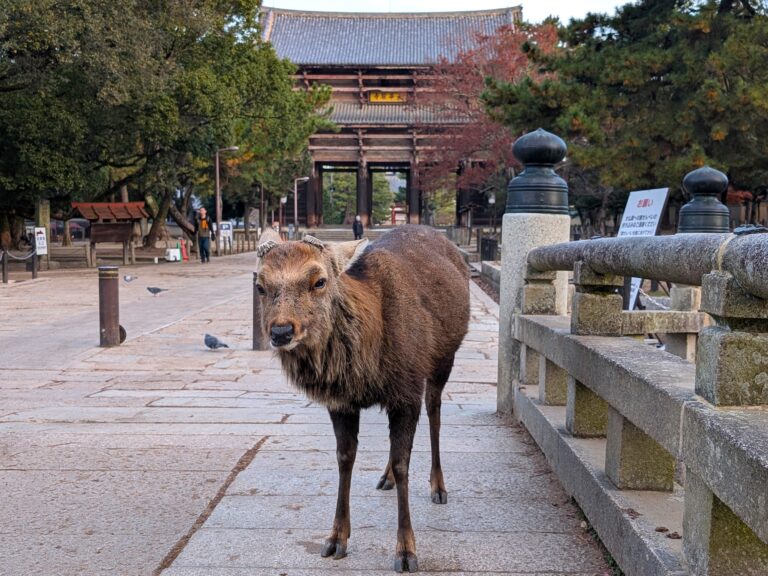
Nara Park is one of the most unique places in the world to observe wild deer up close — not in a zoo, but freely roaming through a historic city.
Located in the heart of Nara City, this park is home to hundreds of Japanese sika deer living without fences or enclosures.
While many visitors see Nara Park as a sightseeing destination, it is also an exceptional wildlife watching spot.
This guide focuses on understanding the deer as wild animals, where to see them, and how to observe them safely and responsibly.
Why Nara Park Is Special
Nara Park is famous for its long history of coexistence between humans and deer.
For over a thousand years, the deer of Nara have been regarded as sacred animals and protected as messengers of the gods.
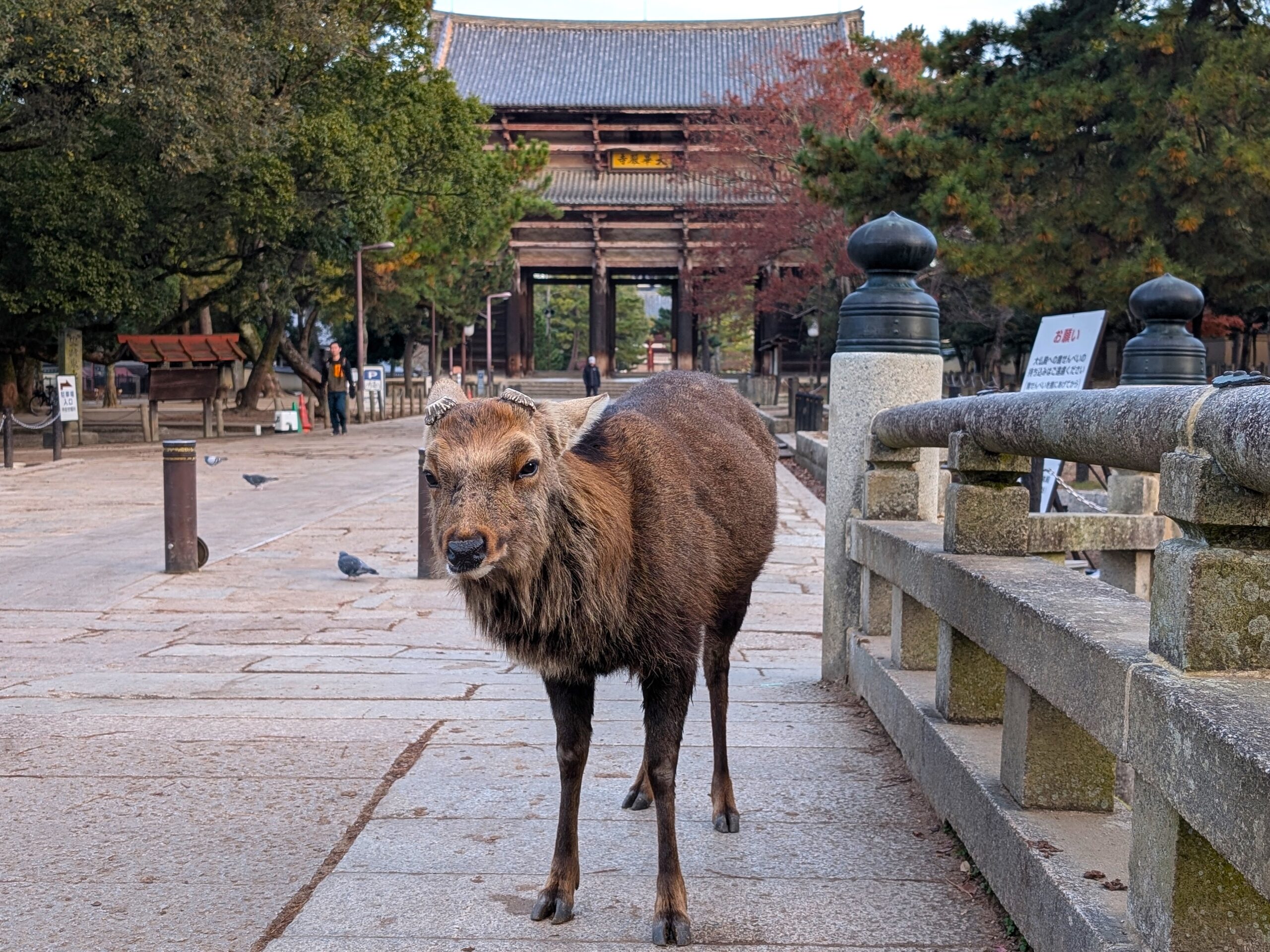
Unlike animals kept in captivity, the deer here move freely across park lawns, temple grounds, forest edges, and even nearby streets.
This rare relationship between wildlife and a historic city makes Nara Park one of Japan’s most extraordinary environments for observing wild animals.
Japanese Sika Deer (Cervus nippon)
The Japanese sika deer is the most commonly seen large wild mammal in Nara Park.
They are medium-sized deer with slender bodies and alert behavior, even though they are accustomed to human presence.
Seasonal changes are clearly visible.
In autumn, males normally grow antlers and become more aggressive during the mating season.
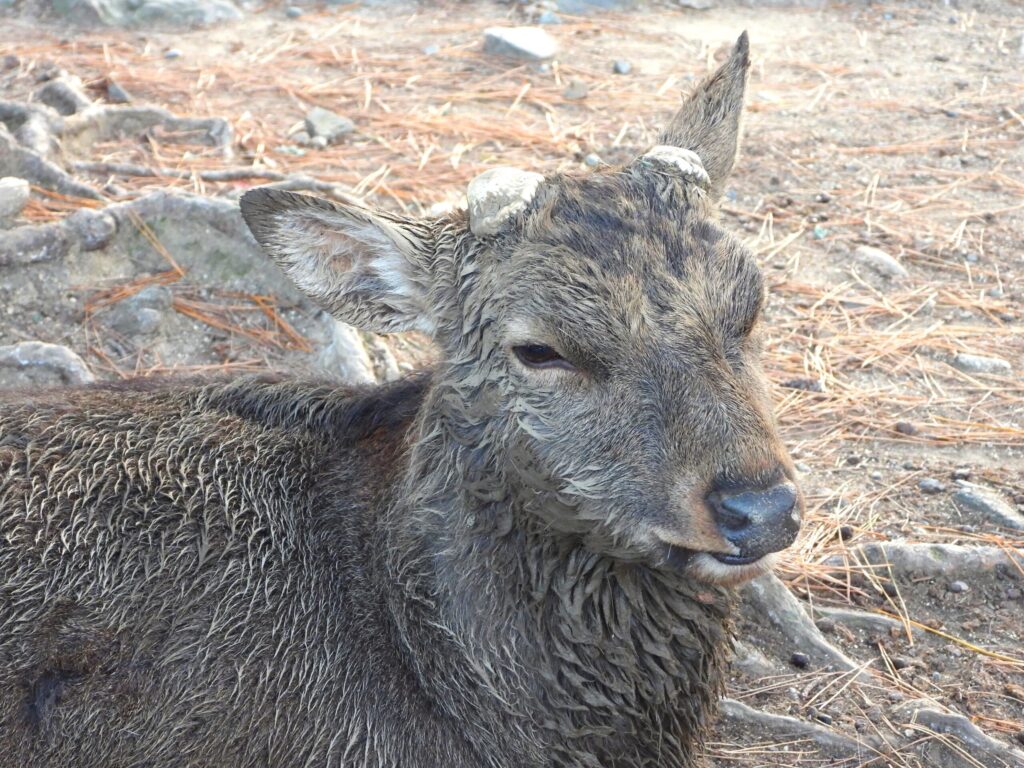
In Nara, some male deer have their antlers cut once a year in autumn as part of traditional deer management.
This long-established practice dates back over 300 years to the Edo period and helps reduce injuries to both people and other deer during the rut.
Even so, males without antlers should never be considered harmless.
Are the Deer Really Wild?
Although the deer often approach people, they are not domesticated animals.
They make their own decisions, react to stress, and can behave aggressively when threatened or when competing for food.
Their behavior changes depending on season, crowd size, and human actions.
Understanding that these deer are wild animals is essential for safe observation and respectful interaction.
Best Places to See Deer in Nara Park
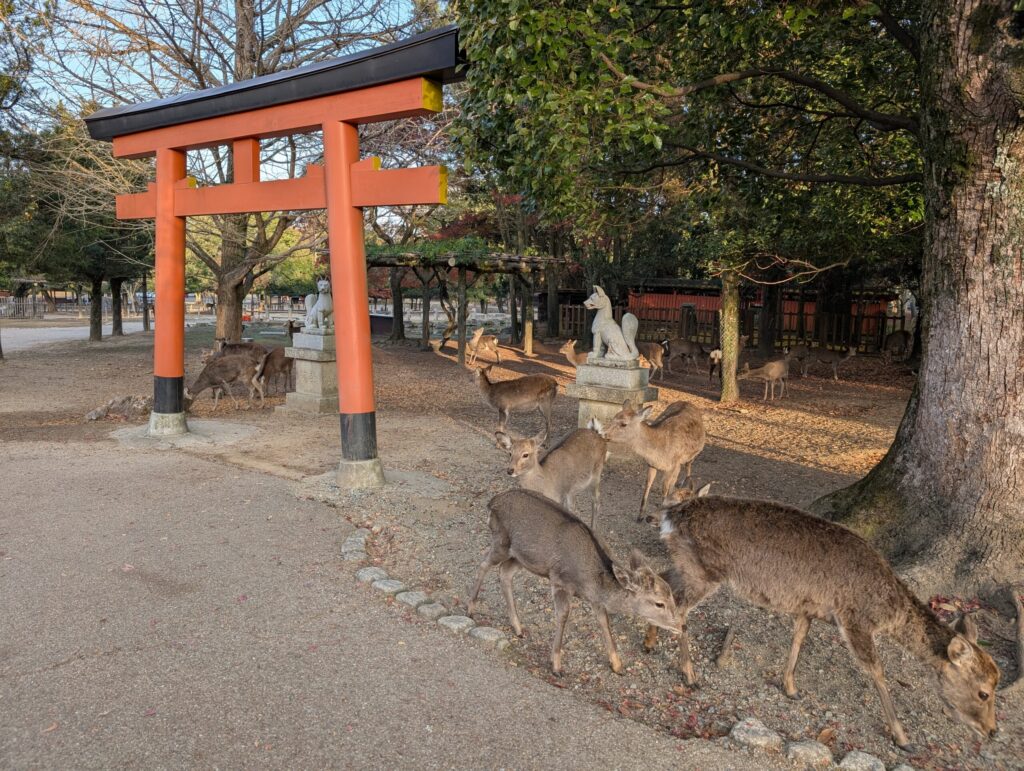
Deer can be seen throughout Nara Park, but certain areas offer better observation opportunities.
Open lawns within the park are often used by resting or grazing deer.
Areas around Tōdai-ji Temple are especially active, with deer moving between forest edges and open spaces.
Near Kasuga Taisha, deer are frequently seen along the forest boundary, particularly in quieter sections away from heavy foot traffic.
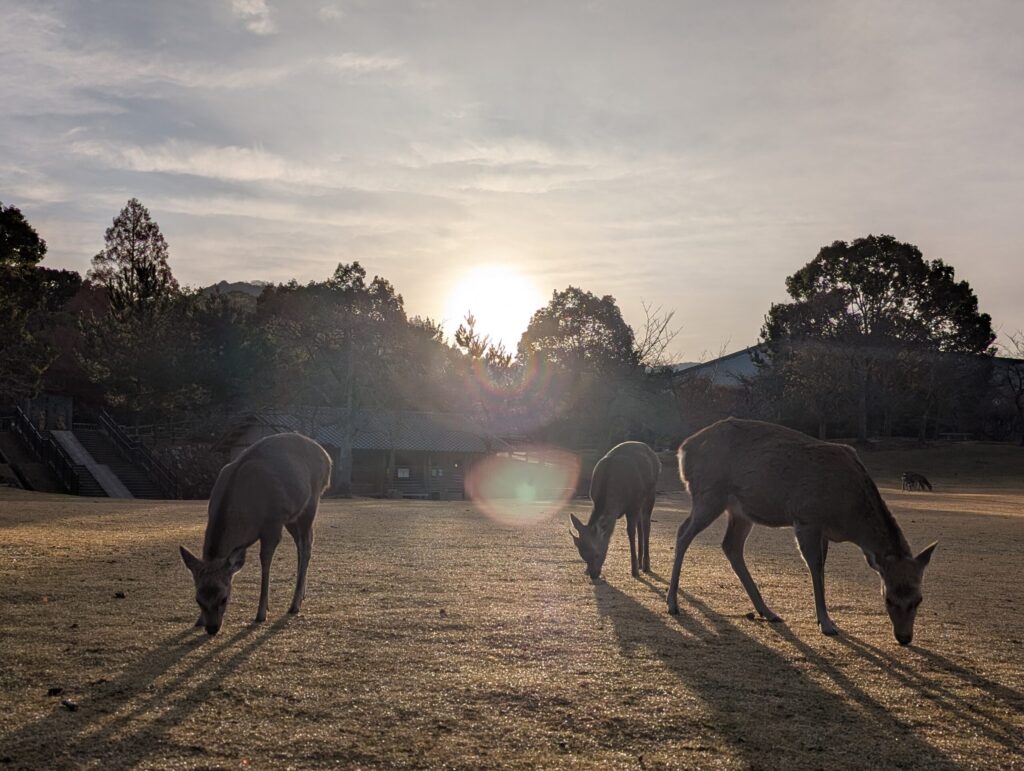
Early morning is the best time to observe calm, natural behavior before crowds arrive.
Best Time to Visit
Morning hours provide the best conditions for wildlife observation.
Deer are generally calmer, and human activity is minimal.
Each season offers different highlights.
Spring brings young fawns, autumn marks the breeding season with increased male activity, and winter often reveals group behavior as deer gather together.
Photography & Observation Tips
Always keep a respectful distance and pay attention to body language.
Avoid sudden movements, loud noises, or blocking a deer’s path.
Flash photography is not recommended, as it can startle animals.
Deer crackers sold in the park can quickly attract multiple deer, so use caution when feeding and stay aware of your surroundings.
Even when deer appear calm, be ready to step away if their behavior changes.
Are Nara Park Deer Dangerous?
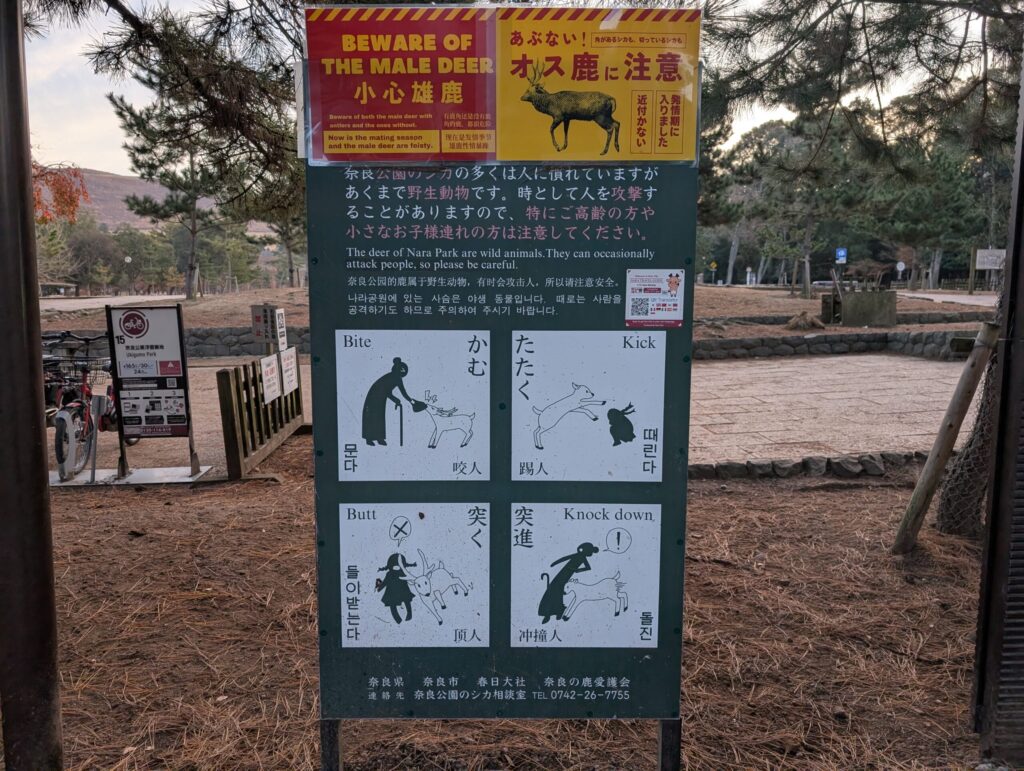
Nara Park deer are generally tolerant of people, but they can be dangerous in certain situations.
Biting, kicking, headbutting, and knocking people down do occur, especially during the mating season or when food is involved.
Warning signs placed throughout the park clearly illustrate these risks.
They exist because accidents have happened in the past, reminding visitors that these animals are wild.
Children, photographers, and anyone carrying food should take extra care.
Despite their friendly appearance, Nara Park deer should always be treated as wild animals.
Read more about potentially dangerous wildlife you may encounter in Japan →
Safety Notice: Deer and Roads
Deer in Nara Park move freely and often cross roads surrounding and within the park.
They may suddenly appear on streets, bicycle paths, or near parking areas.
Drivers, cyclists, and pedestrians should remain alert at all times.
Accidents can happen when visibility is low, so be especially careful in the early morning and evening.
Conservation & Rules
Feeding deer is regulated to protect their health and prevent dangerous behavior.
Careless human actions can increase stress, road accidents, and injuries.
By respecting the rules and observing deer responsibly, visitors help maintain the balance between people and wildlife in Nara Park.
FAQ
Are Nara Park deer dangerous?
They are usually calm, but they can bite, kick, or knock people down, especially during the mating season or when food is involved. Visitors should always treat them as wild animals.
Why do some Nara deer have no antlers?
Some male deer have their antlers cut once a year in autumn. This traditional practice, dating back over 300 years, helps reduce injuries during the breeding season.
Are Nara Park deer really wild animals?
Yes. Although they are accustomed to humans, they are not domesticated and live freely without fences or enclosures.
Author’s Impression
Nara Park is one of Japan’s most iconic tourist destinations, yet it offers a fascinating example of coexistence between people and wild deer.
The deer live completely freely — crossing roads, resting on pathways, and moving through the park on their own terms. Watching their daily behavior is genuinely interesting and feels closer to wildlife observation than sightseeing.
For those who want to focus on the deer themselves, I strongly recommend visiting early in the morning.
With very few people around, the park feels quiet and almost mystical, and you can encounter the deer in a much more natural and peaceful atmosphere.