Birdwatching in Sapporo: A Complete Guide
Introduction
Sapporo is often associated with snow, food culture, and wide city streets, but it is also one of Japan’s most accessible cities for birdwatching. Large parks, forested hills, rivers, and residential green spaces are closely connected, allowing birds to move through the urban area with relative ease.
Many travelers assume that birdwatching in Japan requires remote mountains or rural regions. In Sapporo, however, even short walks through parks or along rivers can offer chances to notice common urban birds and species associated with nearby forests. Bird activity varies depending on season, weather, and time of day, and sightings are never guaranteed. This guide explains how birdwatching works in Sapporo by focusing on seasons and environments rather than rare species or fixed locations.
Why Sapporo Is Ideal for Birdwatching
Sapporo is surrounded by forested areas, while rivers and large parks extend deep into the city. These features provide shelter, feeding opportunities, and movement corridors for birds within an urban setting.
Seasonal change is another key factor. In colder months, vegetation thins and snow simplifies the background, which can make birds easier to detect than in densely vegetated environments. Birdwatching in Sapporo does not require specialized equipment; patience, quiet observation, and attention to habitat are usually sufficient.
Best Seasons for Birdwatching in Sapporo
Spring
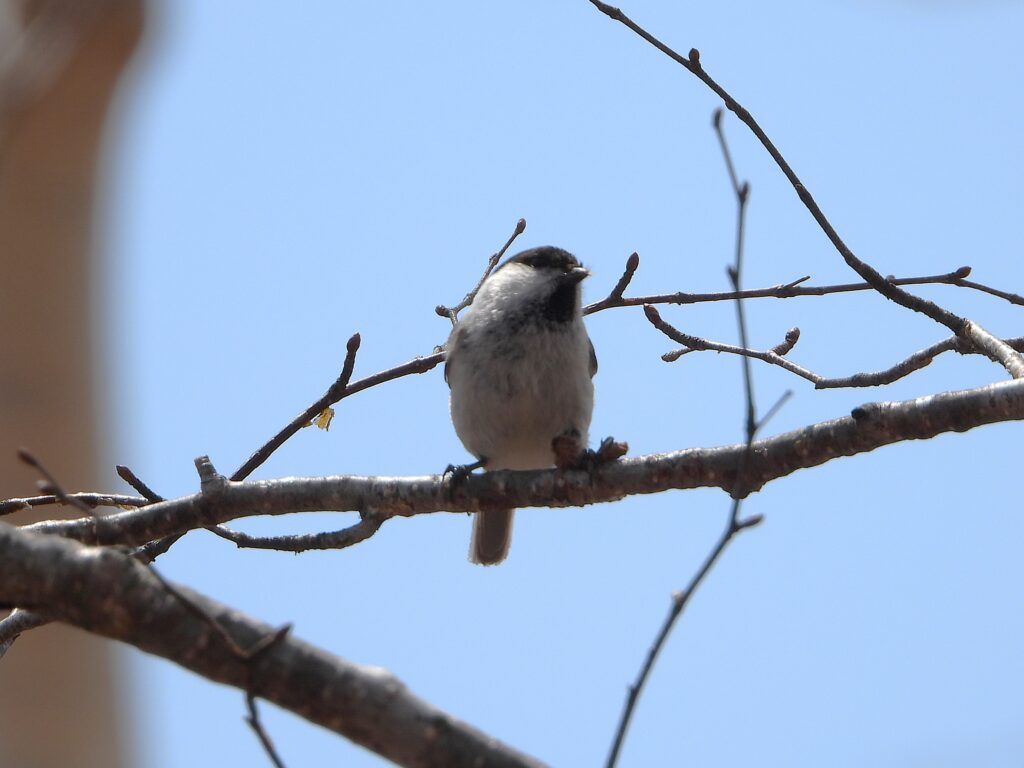
As snow melts, bird activity increases and vocalization becomes more noticeable. Before trees fully leaf out, visibility is relatively good in parks and along forest edges.
Summer
Breeding activity continues, but dense foliage makes birds harder to see. Early mornings and shaded forest paths tend to be the most productive.
Autumn
Migration brings gradual changes in bird presence. Open parks, river corridors, and forest edges often provide good observation opportunities.
Winter
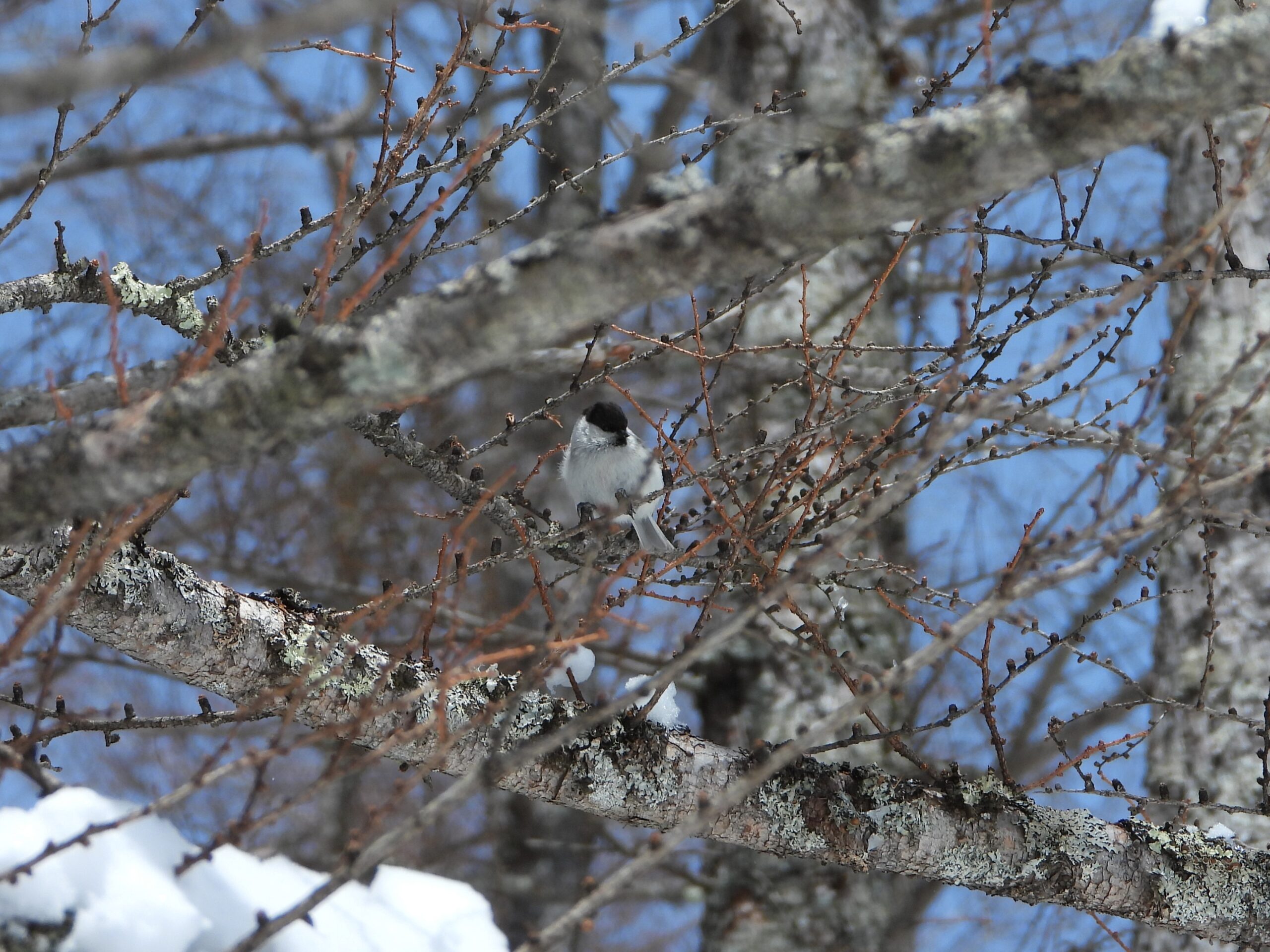
Winter is one of the strongest seasons for birdwatching in Sapporo. Snow reduces visual clutter and makes movement easier to track. Birds often concentrate in parks and residential green spaces where shelter and food are available, though cold temperatures require proper preparation.
Birdwatching Environments in Sapporo
Urban Parks
Large parks with mature trees act as important refuges. Birds move between treetops, undergrowth, and open areas, allowing different behaviors to be observed within a small space.
Forest Edges and Hills
Transition zones between forest and city are frequently productive. These areas balance cover and visibility, making them suitable for calm observation along walking trails.
Rivers and Wetlands
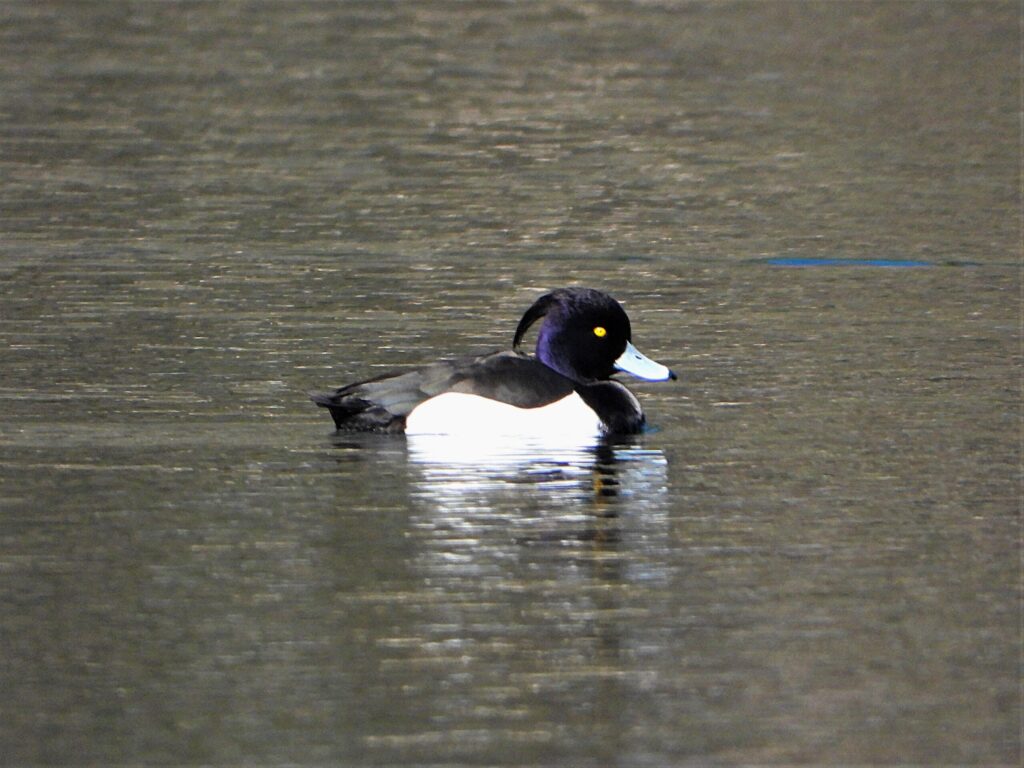
Rivers running through the city attract birds throughout the year. Observation from paths or bridges is often more effective than approaching the water directly, as conditions change seasonally.
Residential Areas
Quiet residential neighborhoods with trees and gardens can support bird activity, particularly in winter. Low disturbance and careful listening often reveal subtle movement.
What Kind of Birds Can Be Seen
Sapporo supports a mix of urban-adapted birds, woodland species, and seasonal visitors. Small birds are commonly observed in parks and forested areas, while tree-rich environments sometimes host birds that forage on trunks and branches. Bird presence depends on timing and conditions rather than certainty.
Tips for Birdwatching in Sapporo
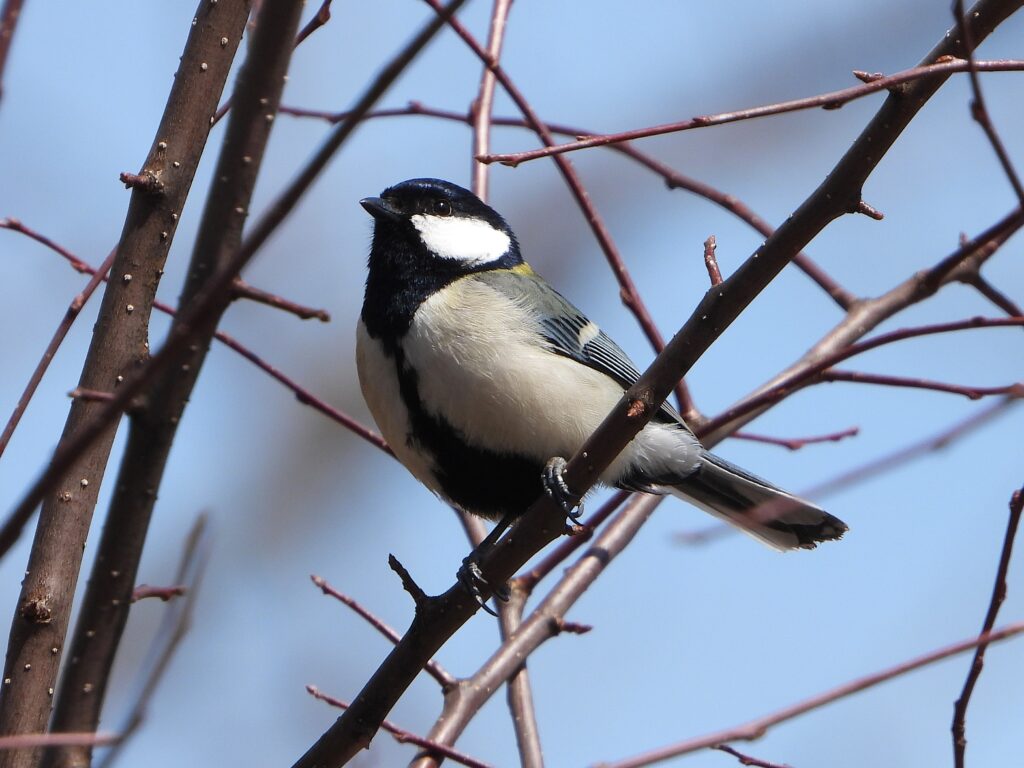
Move slowly and pause often. Listen before looking, and focus on tree canopies, branch tips, and subtle movement. Early morning is generally the most active time. In winter, adequate clothing and awareness of icy paths help extend observation time. Observing environments rather than searching for specific birds usually leads to better results.
Etiquette and Safety
Birdwatching in Sapporo takes place in shared urban spaces. Stay on paths, avoid feeding wildlife, and keep distance during sensitive periods. In winter, icy conditions and cold temperatures are often the primary safety concerns.
Who This Guide Is For
This guide is designed for travelers, beginners, and anyone interested in casual urban birdwatching. It focuses on realistic experiences rather than guaranteed sightings, offering a calm way to notice wildlife alongside sightseeing.
Author’s Impression
Personally, birdwatching in Sapporo feels less like “searching” and more like “noticing.” Quiet parks, snowy landscapes, and subtle bird calls often reveal a side of the city that feels calm and understated, especially during winter walks.
Related Wildlife Guides
For a broader overview of animals you can encounter in this city:
→ Wildlife in Sapporo
This article is part of our urban wildlife series. For an overview of wildlife you can realistically see near major Japanese cities:
→ Wildlife You Can See Around Japanese Cities