Wildlife You Can See in Urban Parks in Japan
Introduction
Urban parks in Japan are among the easiest places to encounter wildlife. You do not need to hike into remote mountains or visit national parks — a simple walk through a city park can reveal a surprising variety of animals.
From familiar birds such as pigeons and crows to ducks resting on park ponds and small creatures living quietly in vegetation, many species have adapted to life alongside people. This guide introduces wildlife you can realistically encounter in urban parks across Japan, without exaggeration or unrealistic expectations.
Why Urban Parks Attract Wildlife in Japan
Many Japanese cities preserve relatively large green spaces within residential neighborhoods. Urban parks often include ponds, streams, wooded areas, shrine groves, and mature trees, which provide basic habitat for wildlife.
Because these areas are protected from development and regularly maintained, animals that tolerate human presence can survive and settle there. As a result, urban parks function as small but stable refuges for adaptable species.
Birds Commonly Seen in Urban Parks
Birds are by far the most frequently encountered wildlife in Japanese urban parks. Many species can be observed year-round, even during short visits, making birdwatching the most accessible way to experience urban nature.
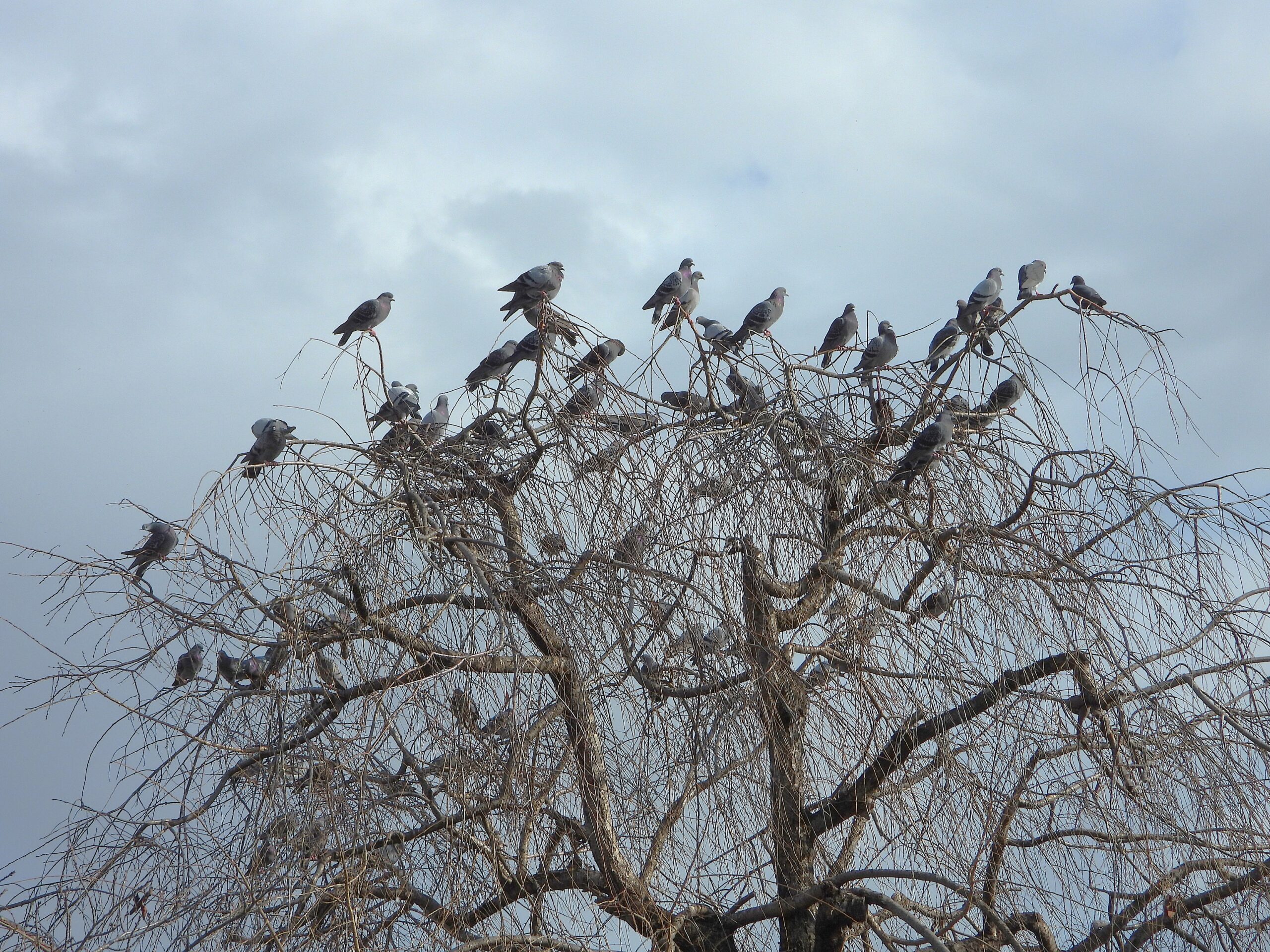
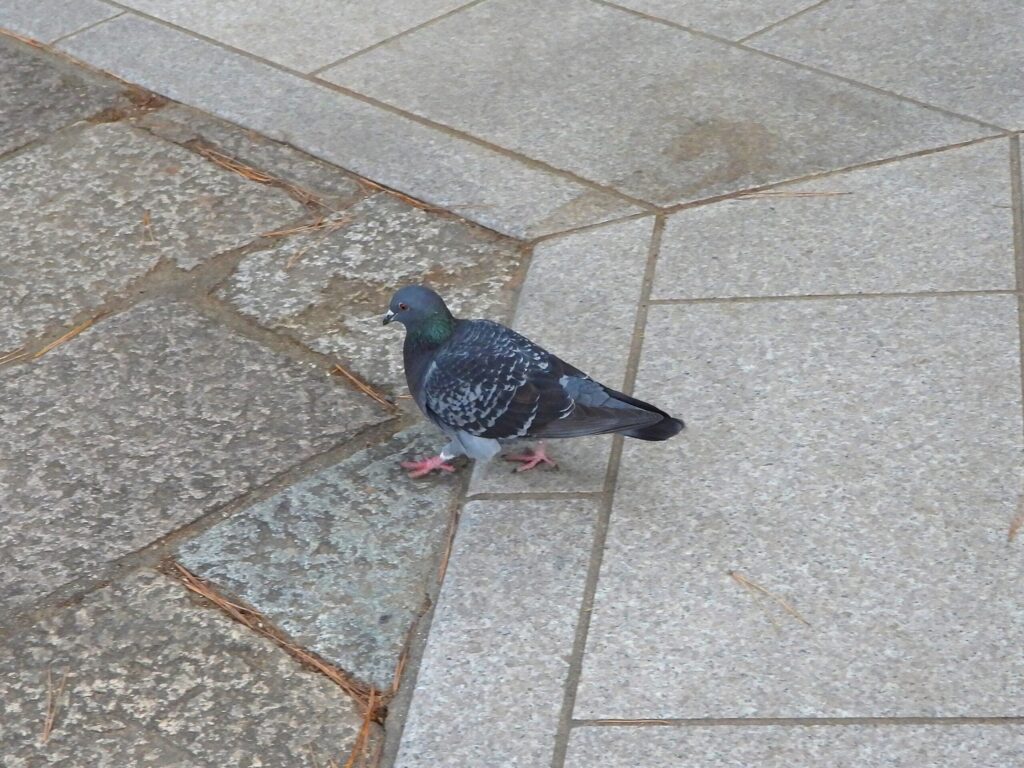
Rock Pigeon (Feral Pigeon)
Rock pigeons, often referred to as feral pigeons in cities, are among the most familiar birds in Japanese urban environments. They are often seen walking along paths, resting near benches, or gathering in open areas.
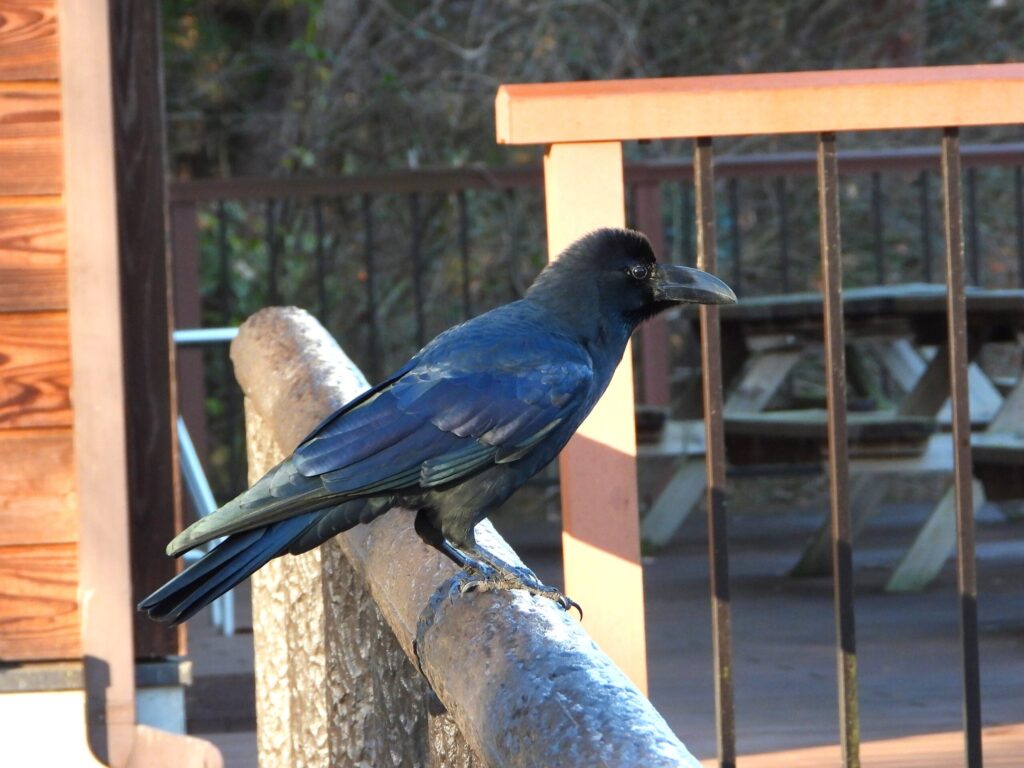
Crows (including Large-billed Crow)
Crows are highly noticeable in many Japanese cities and parks. They are intelligent and generally keep their distance from people, though they may defend nesting areas during the breeding season.
Eurasian Tree Sparrow
Small and active, tree sparrows are commonly observed around bushes, lawns, and trees. They often move in groups and remain active throughout the day.
White-cheeked Starling
Starlings are medium-sized birds frequently spotted perched in trees or feeding on open ground. Their loud calls often make them easy to detect before they are seen.
Brown-eared Bulbul
Bulbuls adapt well to parks with trees and shrubs. They are often heard calling from treetops and may be observed in all seasons.
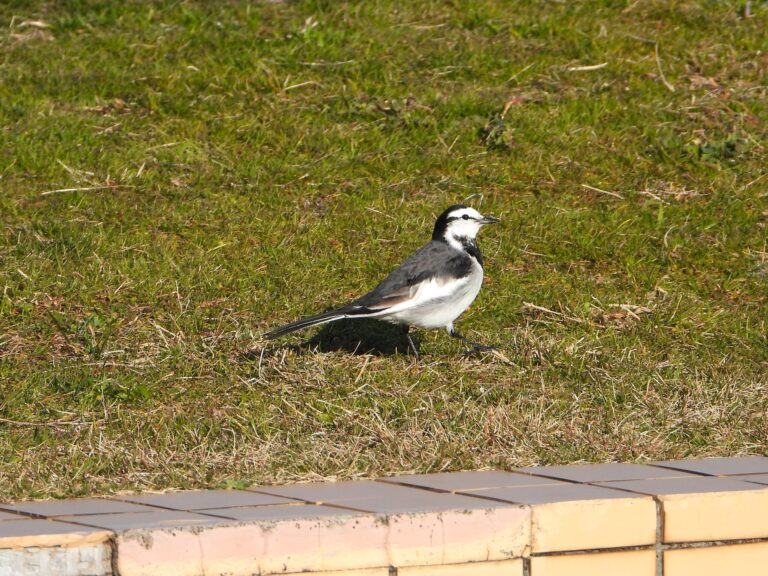
White Wagtail
White wagtails are slender birds sometimes seen along paved paths or near water. Their constant tail-wagging behavior makes them easy to recognize.
Spot-billed Duck
In parks with ponds or streams, spot-billed ducks are commonly observed swimming or resting near the water’s edge. They are one of the more reliable water birds in urban settings.
Mammals in Urban Parks
Large mammals are rarely encountered in Japanese urban parks during daytime hours. Most mammals either avoid busy human areas or are active primarily at night.
Small mammals such as mice may inhabit grassy or wooded sections of parks, but they are seldom noticed by visitors. Encounters with mammals in urban parks should be considered uncommon and incidental rather than expected.
Reptiles, Amphibians, and Small Wildlife
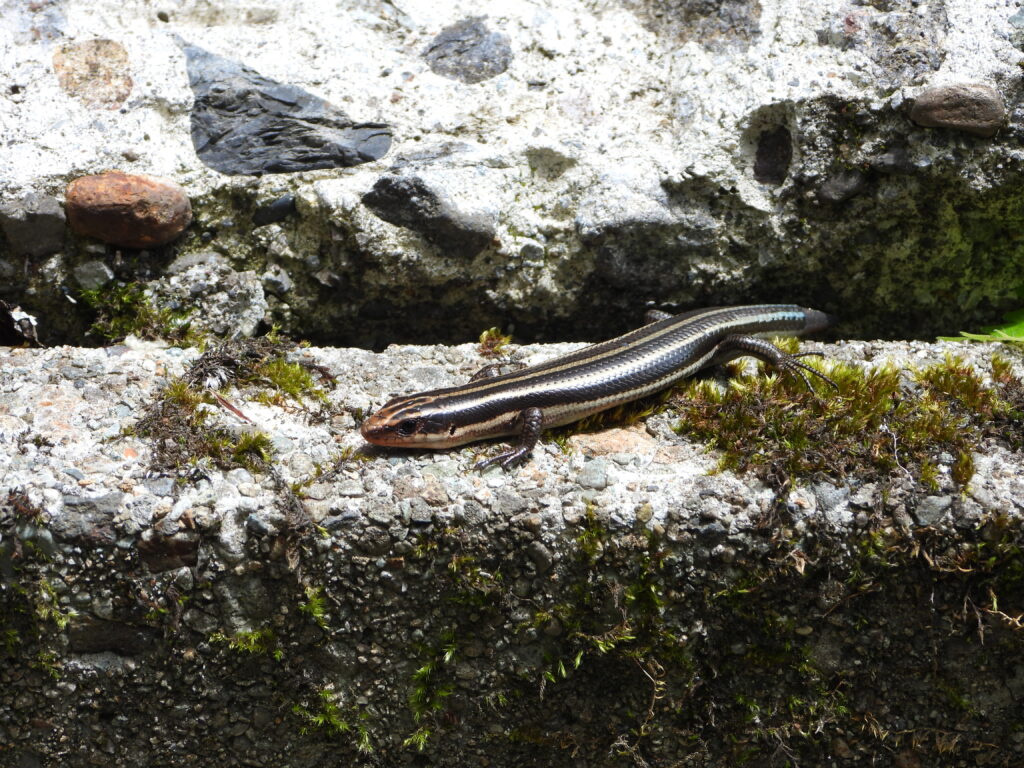
Urban parks can also support frogs, lizards, and many insects. These animals are typically found near water, tall grass, or shaded areas where suitable conditions exist.
They are more likely to be observed during warmer months and are less conspicuous than birds, but they contribute to the overall biodiversity of urban green spaces.
When and Where to Look in Urban Parks
Wildlife activity is generally higher during early morning and late afternoon, when parks are quieter and human traffic is lighter. Areas away from playgrounds and main paths tend to offer better chances of observation.
Look near ponds and streams, tree-lined paths, forest edges, shrubs, and less-disturbed grassy areas. Observing patiently and moving slowly can increase the likelihood of sightings.
What You Are Unlikely to See
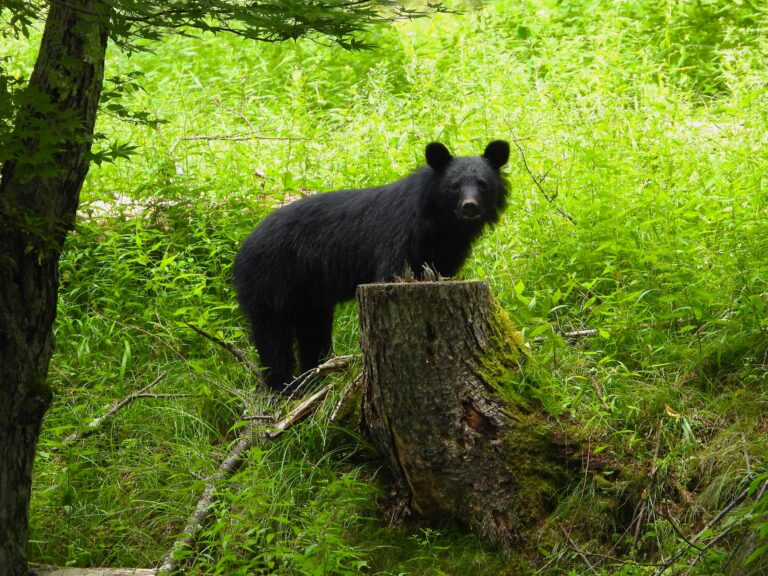
Large and potentially dangerous animals such as bears or wild boars are not normally encountered in urban parks. Such appearances would be extremely unusual and typically treated as exceptional incidents.
Urban parks are designed to be safe spaces for everyday recreation.
Tips for Observing Wildlife Respectfully
Do not feed animals. Keep a safe distance and avoid loud noises or sudden movements. Remember that parks are shared spaces for both people and wildlife. Respectful behavior helps maintain peaceful coexistence.
Related Urban Wildlife Guides in Japan
For a broader overview of wildlife you can encounter near Japanese cities, see:
Wildlife You Can See Around Japanese Cities
Wildlife You Can See in Japan Without Hiking
Wildlife in Tokyo
Wildlife in Osaka