Can You See Wildlife in the Rain in Japan? Best Animals & Tips
Feeling disappointed because it’s raining during your trip to Japan?
When it rains, it’s easy to think, “I probably won’t see any wildlife today.” Many people assume that rainy days are bad for wildlife watching.
But that’s only partly true.
Some animals become harder to find in the rain, while others become more active. In some cases, you may even have a better chance of seeing wildlife than on a sunny day.
Rainy weather doesn’t mean fewer opportunities. It often means different ones.
In this guide, you’ll learn why wildlife can still be seen in the rain, which animals are easier to find, and how to make the most of a rainy day in Japan.
Can You See Wildlife in the Rain?
Yes, you can see wildlife even on rainy days.
However, you won’t see animals in the same way as on sunny days. Rain changes how animals behave. Some species become more active, while others stay hidden.
Because of this, it’s important to adjust what you’re looking for depending on the weather.
Rain doesn’t mean “no wildlife.” It simply means a different kind of opportunity.
Why Rain Can Make Wildlife Easier to Spot
Rainy conditions can actually improve your chances of seeing animals.
First, there are fewer people outside. Trails, parks, and forests become quieter, which makes shy animals more likely to move around.
Second, humidity increases. Amphibians, in particular, become much more active in wet conditions.
Third, rain reduces noise and scent. Your footsteps and smell are less noticeable, which can allow you to get closer to animals without being detected.
What Animals Can You See in the Rain?
Animal activity in the rain varies by group, and the differences are quite clear.
Amphibians: The Best Targets
Rainy days are ideal for finding amphibians.
Frogs and salamanders prefer moist environments, so they become highly active during rain and right after it stops. You’ll often find them near rice fields, ponds, and wetlands.
These are some of the easiest animals to observe in rainy conditions.
Birds: Slightly Harder to Find
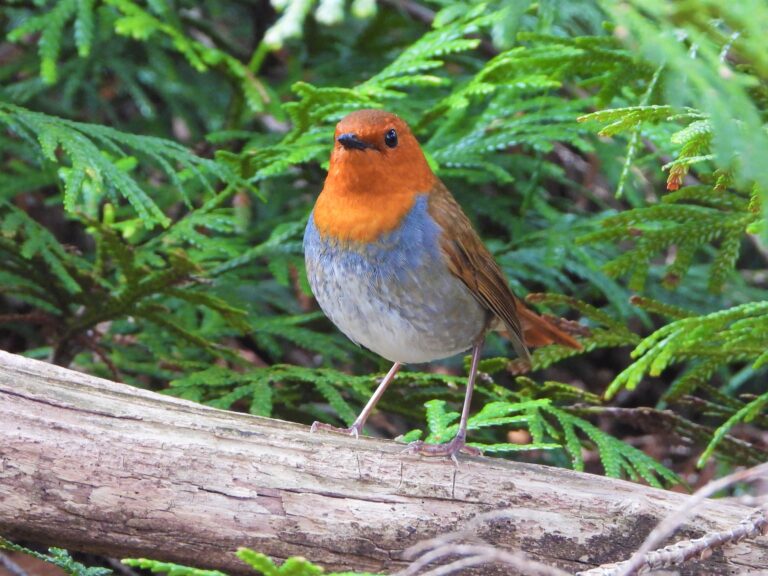
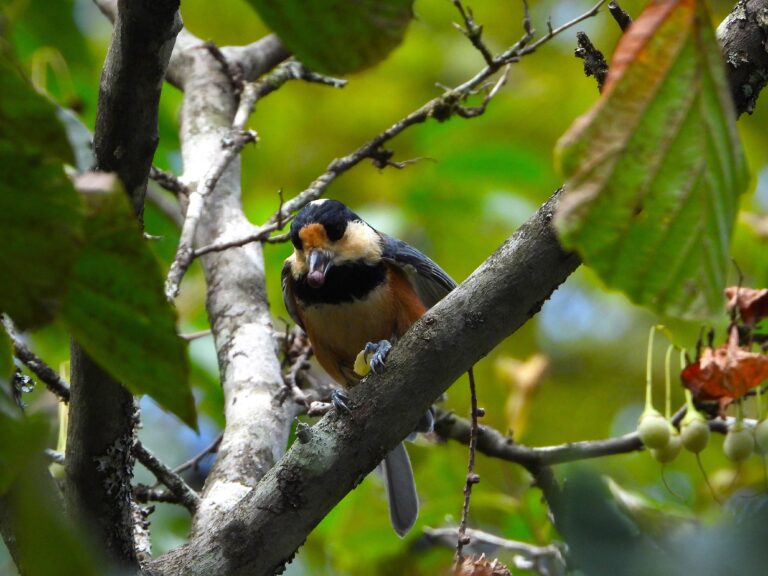
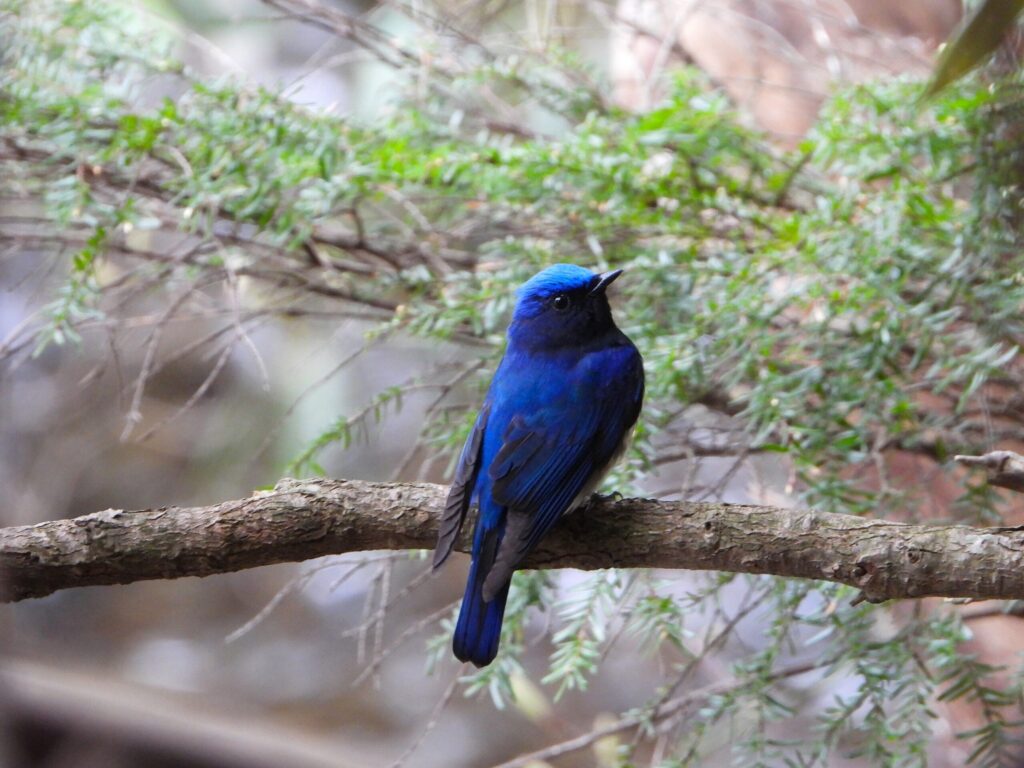
Birds can be a bit harder to spot during heavy rain.
They often stay under dense branches or in bushes to avoid getting wet, which makes them less visible than on sunny days.
However, they don’t disappear. During light rain or after the rain stops, many birds become active again. If you move slowly and watch carefully, you can still find them.
Mammals: Unexpected Close Encounters
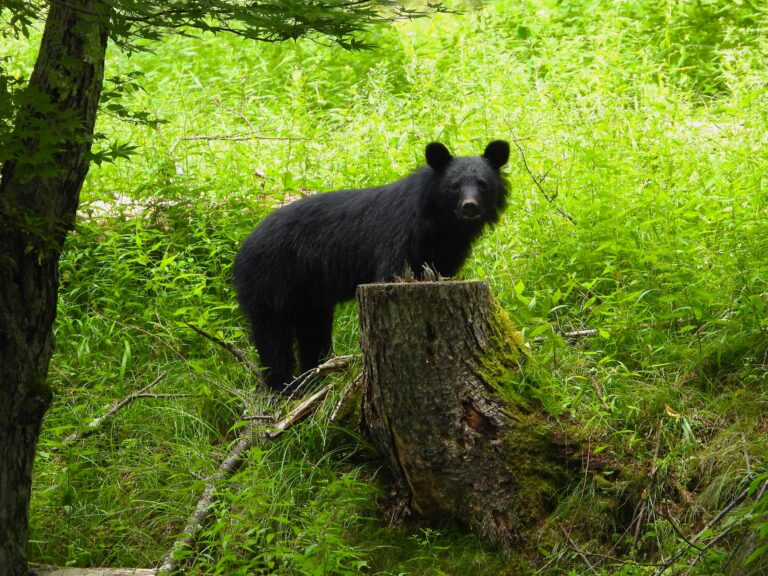
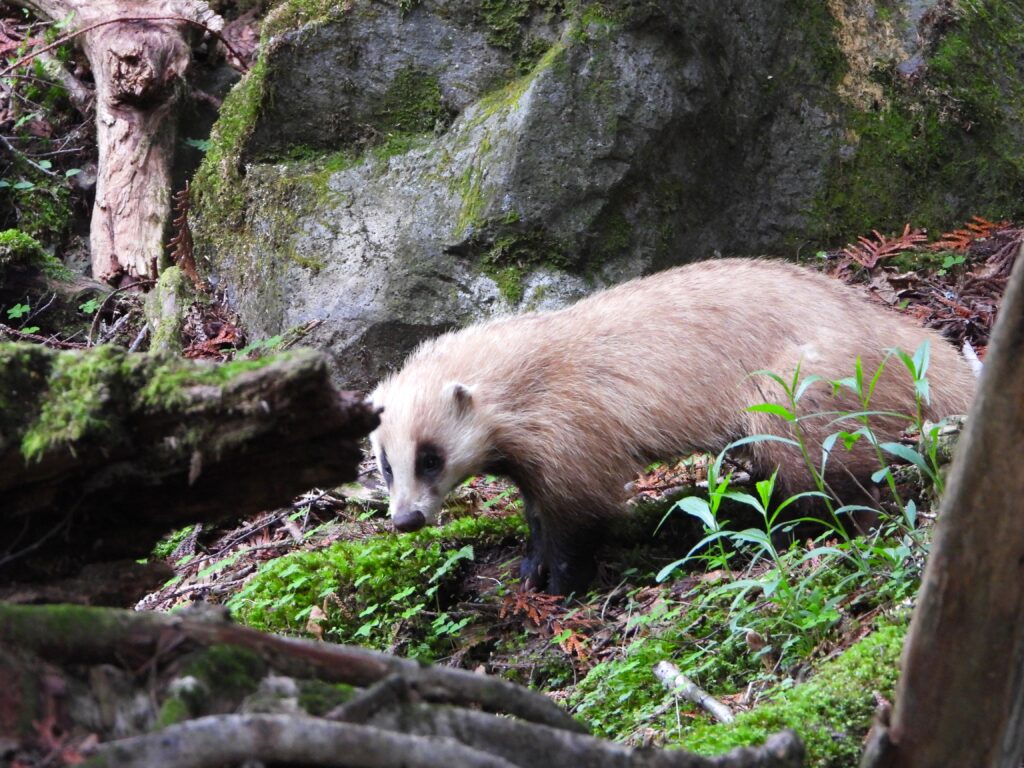
Mammals can sometimes be easier to encounter in the rain.
Rain reduces human scent and noise, making it harder for animals to detect your presence. Because of this, you may unexpectedly come across animals like deer or raccoon dogs at close range.
These encounters aren’t guaranteed, but rainy conditions can increase the chances.
The Best Time: Right After the Rain
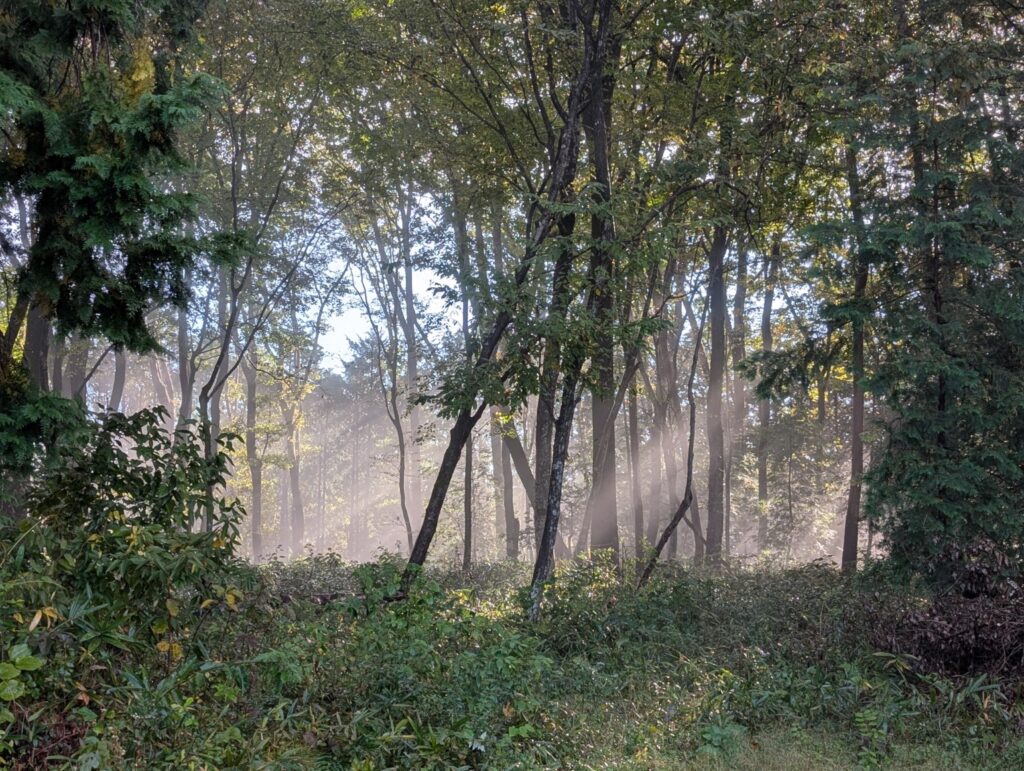
One of the best times for wildlife watching is right after the rain stops.
After rainfall, many animals begin moving at once. Frogs and insects become active, and birds and mammals start searching for food.
Because of this, you can often see a wider variety of animals in a short amount of time.
In many cases, this moment is even more productive than being out in the rain itself.
Where to Find Wildlife on Rainy Days
Location becomes especially important in rainy conditions.
Forest trails and quiet paths are excellent because there are fewer people and less disturbance.
Rice fields, ponds, and wetlands are particularly productive. These environments attract amphibians and insects, especially during and after rain.
Urban parks can also be good places to look. Even in cities, birds and small animals remain active, especially during light rain or just after it stops.
Tips for Wildlife Watching in the Rain
A few simple tips can make a big difference.
Move quietly. Rain helps mask your sound, allowing you to get closer to animals.
Watch the ground as well as your surroundings. Many animals, especially frogs, are easy to miss if you only look ahead.
Stay safe. Wet surfaces can be slippery, and visibility may be reduced. Good footwear and rain gear will help you stay comfortable and focused.
Japan’s Rainy Season: A Hidden Opportunity
Japan has a rainy season called “tsuyu,” which usually lasts from June to July.
During this time, humidity is high, and many animals—especially amphibians and insects—become very active.
Although rain may seem inconvenient for travel, it can actually be one of the best times for wildlife watching in Japan.
A Real Experience on a Rainy Day
I’ve gone birdwatching in the rain before, and I was surprised by how much I could still find.
One moment that stood out was seeing a pair of Oriental turtle doves huddled together under shelter, avoiding the rain. They stayed still, quietly waiting it out—behavior you don’t often notice on sunny days.
This experience showed me that birds don’t disappear in the rain. They simply change how they behave.
Conclusion
You can absolutely see wildlife on rainy days.
Amphibians are especially active, and the period right after rain offers one of the best chances to observe a wide range of animals. While birds may be slightly harder to spot and mammals can be unpredictable, rainy conditions often create unique opportunities.
Don’t let the rain stop you. With the right approach, you may discover a completely different side of Japan’s wildlife.
Related Articles
Want to find frogs on rainy days? Start with this guide.
▶ Common Frogs in Japan: Where and When to Find Them
Looking for wildlife in cities?
▶ Wildlife You Can See Around Japanese Cities
Want a complete overview of animals in Japan?
▶ Japan Animals – Complete Guide to Wildlife in Japan