
Where to See Tanuki in Japan (Japanese Raccoon Dog)
Introduction
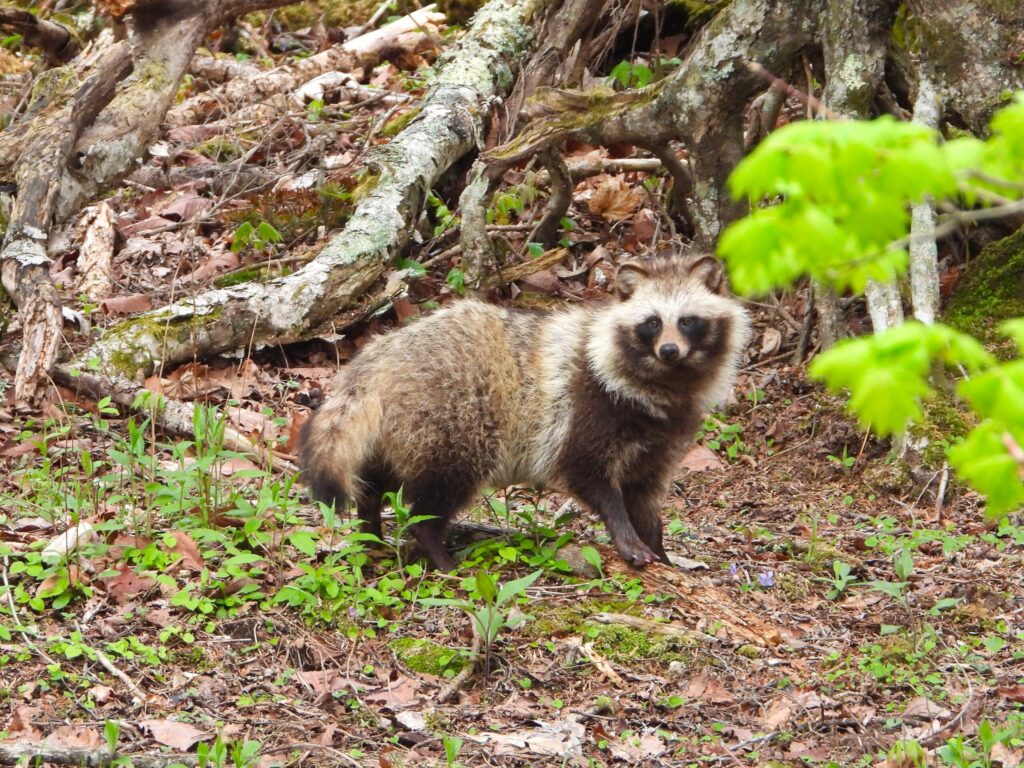
The tanuki, also known as the Japanese raccoon dog, is one of Japan’s most recognizable wild mammals. It often appears in Japanese folklore, anime, and games, which makes many people curious about this unique animal.
In reality, however, tanuki are shy and mostly nocturnal, so seeing one in the wild is not easy. This guide explains where tanuki live in Japan, when to look for them, and what kind of places give you the best chance of spotting one.
What Is a Tanuki?
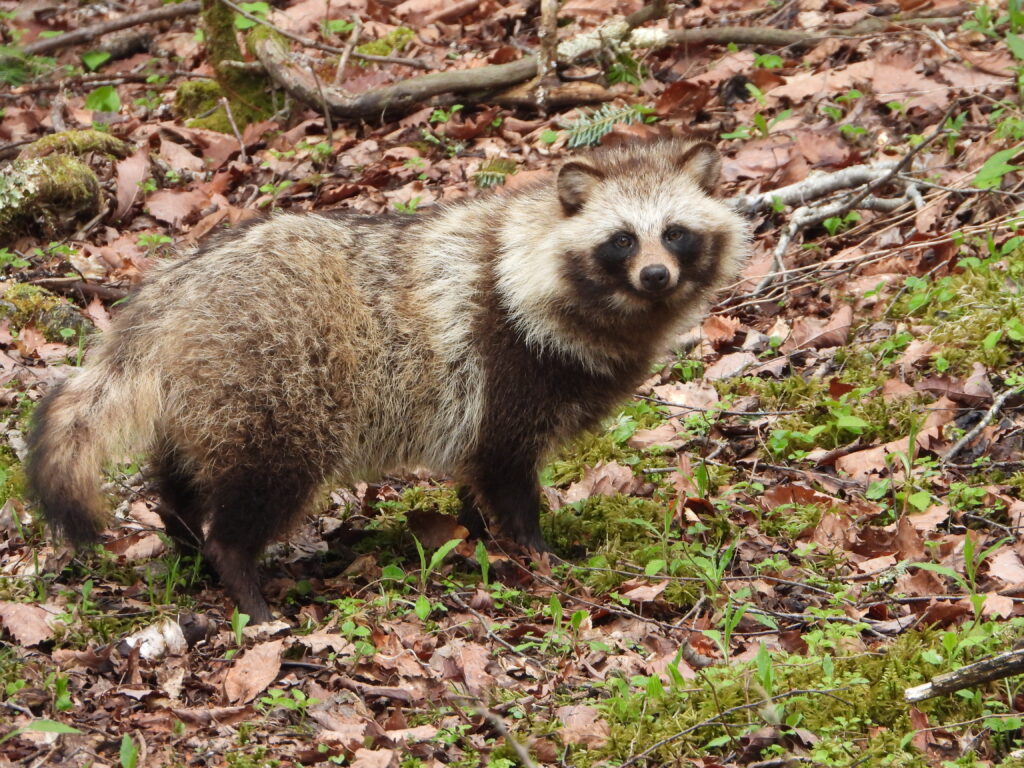
The tanuki is a member of the dog family (Canidae). In Japan, it is commonly known as the Japanese raccoon dog, and populations in Hokkaido are often called Ezo tanuki.
Key characteristics include:
- Mostly nocturnal behavior
- An omnivorous diet, including fruits, insects, and small animals
- The ability to live in a wide range of environments, from forests to suburban green spaces
For a more detailed introduction to this animal, see our species guide:
👉 Tanuki (Japanese Raccoon Dog) – Wildlife of Japan
Where Do Tanuki Live in Japan?
Tanuki are widely distributed across Japan.
They are found on:
- Honshu
- Shikoku
- Kyushu
- Hokkaido (Ezo tanuki)
They live in a wide variety of habitats, including:
- Forests
- Satoyama landscapes
- Farmland edges
- Green spaces near cities
Although they are widespread, their nocturnal and cautious nature makes them surprisingly difficult to see.
Best Places to Look for Tanuki
Forest Edges
Tanuki often use forest edges, where woodland meets open land.
Good places to check include:
- Roads along the edge of woodland
- Rural dirt roads
- Farmland edges
- Grassland near wooded areas
These kinds of transition zones are often used as travel routes by wildlife.
Riverbanks
Riverbanks can also be good places to look for tanuki.
Even near towns and cities, river corridors often keep patches of natural habitat. Grassland and farmland along rivers can provide suitable places for tanuki to live and move through.
Best Time of Day to See Tanuki
Tanuki are mainly nocturnal animals.
The best time to look for them is usually:
- At dusk
- In the early evening after sunset
This is when they often leave their resting places and begin moving around in search of food.
Tips for Finding Tanuki
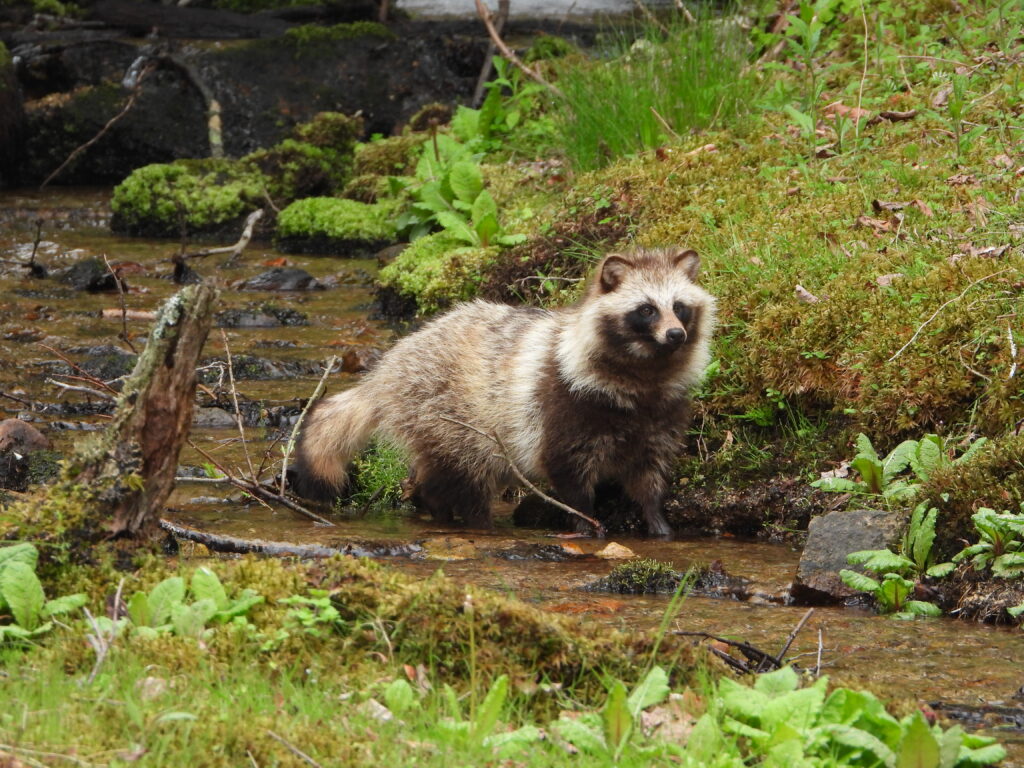
Tanuki can be very difficult to see in dense forest. Even when they are nearby, you may hear rustling in the vegetation without actually seeing the animal.
Instead of searching deep inside the forest, it is often more effective to watch open areas near cover, such as:
- Roads near forest edges
- Forest tracks
- Farmland edges
- Riverbanks
These areas often act as movement routes for wildlife.
My Field Observation
In my experience, the place where I most often see tanuki is farmland along riverbanks.
These areas often retain patches of natural habitat even near towns, making them good environments for wildlife. Around dusk, tanuki sometimes appear as they move through grassland or farmland near the river.
Inside dense forest, I often hear movement without seeing the animal. It is usually only when a tanuki steps out into a more open area that I can see it clearly.
Seasonal Activity
Tanuki are active throughout the year, but their behavior can be more noticeable in some seasons.
In autumn, young animals may begin to disperse from their parents, which can lead to more visible movement across the landscape.
Tanuki also build up body fat before winter, so individuals seen in late autumn and winter often look noticeably rounder.
Signs of Tanuki
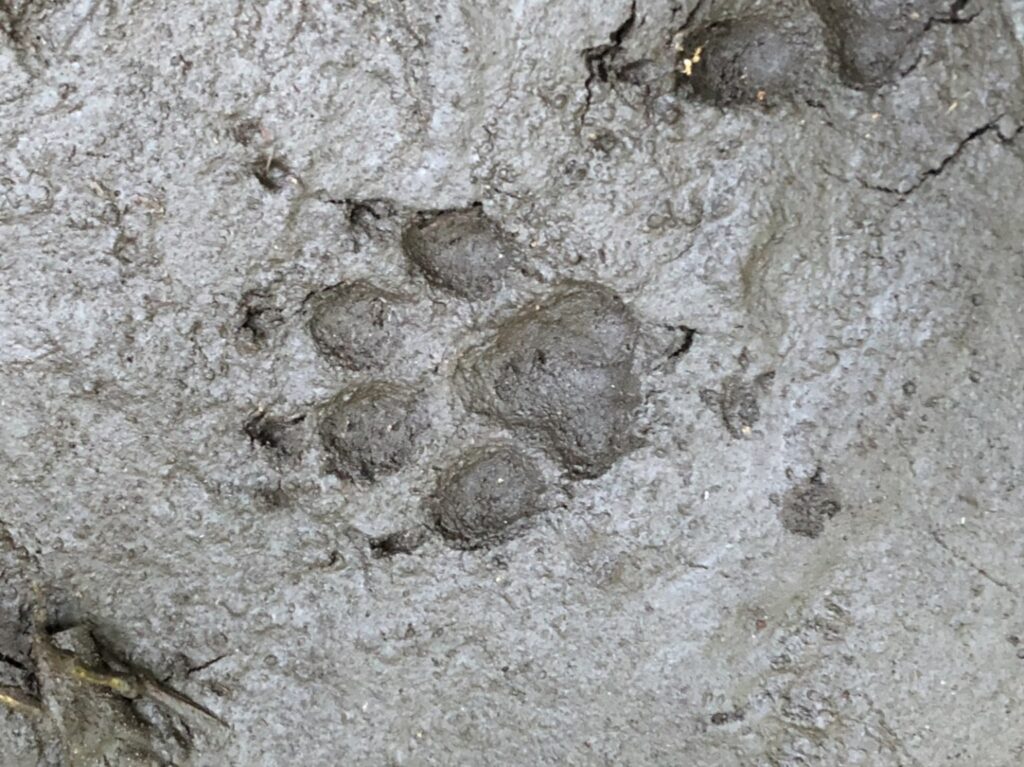
Even if you do not see the animal itself, you may still notice signs that it is nearby.
Possible clues include:
- Footprints
- Droppings
- Paths through grass
Riverbanks and forest edges are places where these signs may sometimes be found.
Other Wildlife You May See
In similar habitats, you may also come across other mammals, such as:
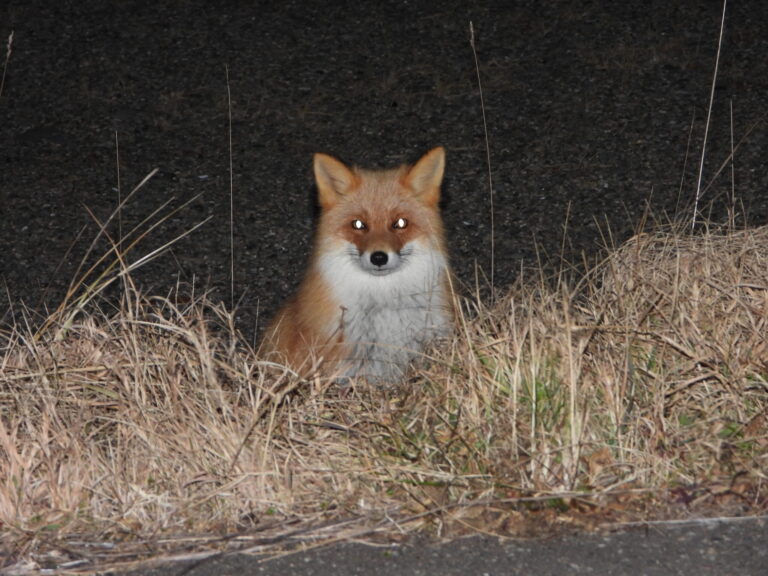
- Japanese foxes
- Japanese badgers
- Japanese martens
- Weasels
These animals are also often active in the evening or at night.
Wildlife Watching Etiquette
When observing wild tanuki, it is important to respect wildlife.
Do not approach them too closely or try to chase them. Feeding wild animals can also change their natural behavior and should be avoided.
Keeping a respectful distance helps keep both people and wildlife safe.
Conclusion
Tanuki are widespread across Japan, but their nocturnal and cautious nature makes them difficult to observe in the wild.
If you look around forest edges, farmland, and riverbanks at dusk, you may have a chance to spot one of Japan’s most fascinating mammals.