Jigokudani Snow Monkey Park Guide | Wildlife of Japan
Introduction
Jigokudani Yaen-Koen is one of Japan’s most famous wildlife destinations, known worldwide for its wild Japanese macaques, often called snow monkeys.
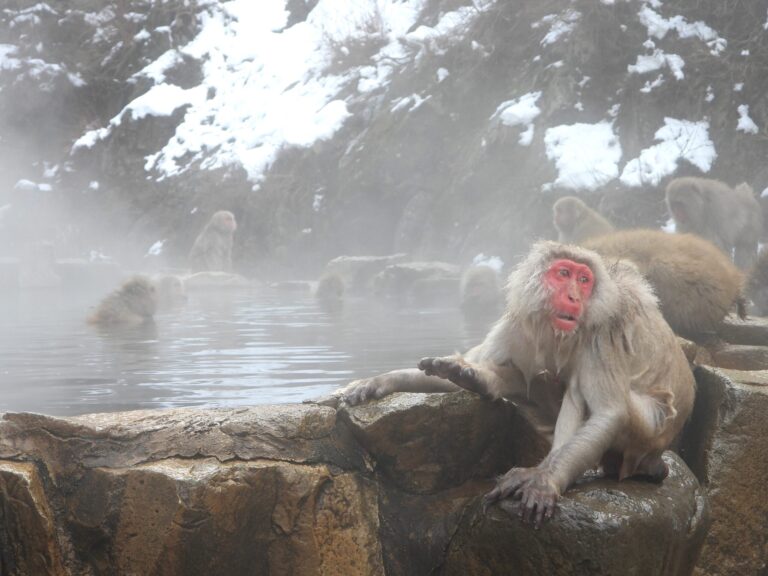
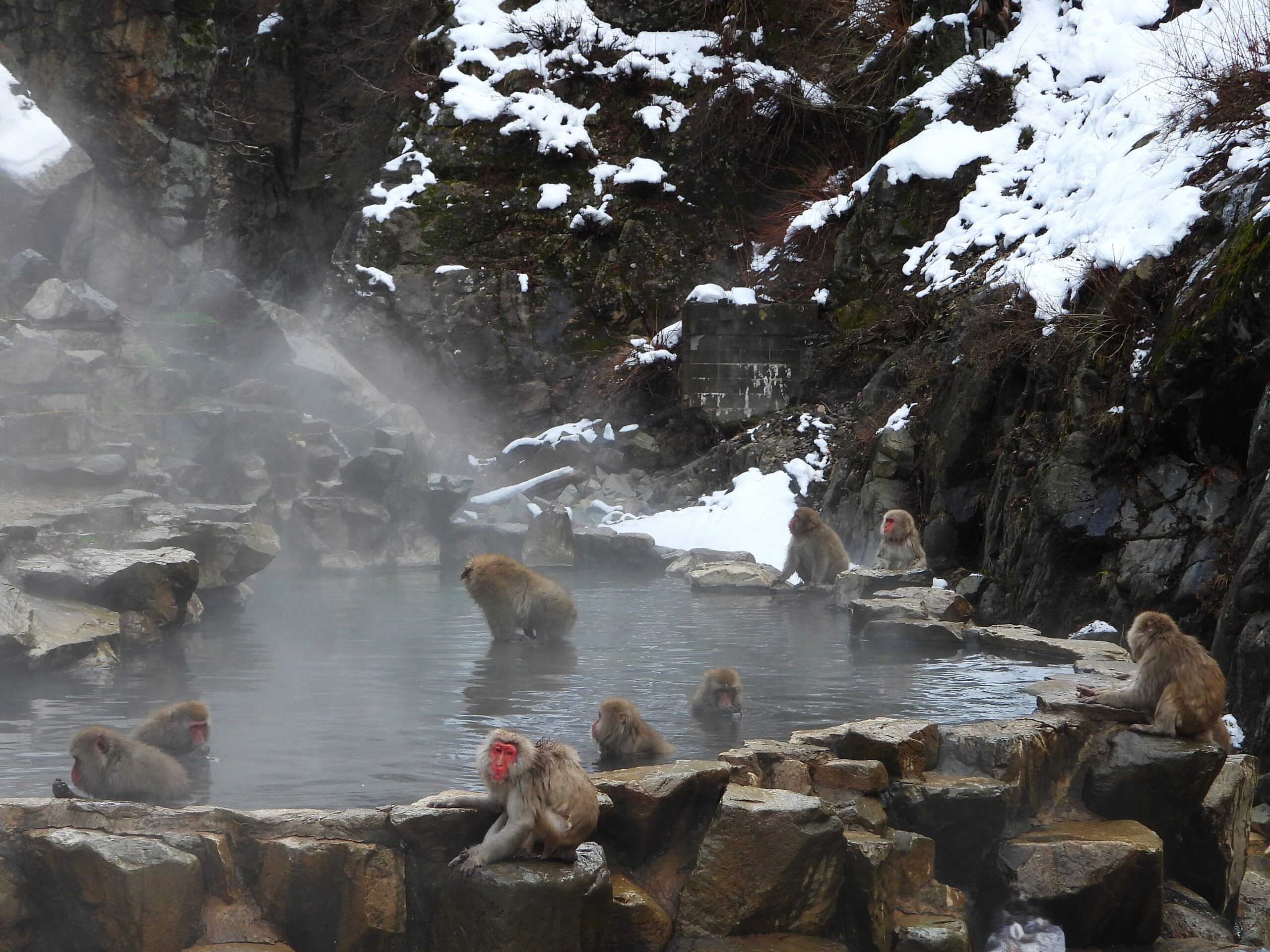
Located in the mountains of Nagano Prefecture, the area is especially well known in winter, when monkeys are sometimes seen gathering around a natural hot spring.
This guide focuses on what visitors can realistically expect to see, when conditions are most favorable, and how to observe the monkeys responsibly, without exaggeration or guarantees.
What Is Jigokudani Yaen-Koen?
Jigokudani Yaen-Koen is a wildlife observation site set in a natural mountain valley.
The name Jigokudani, meaning Hell Valley, refers to the steep terrain and geothermal steam rising from the ground.
The monkeys living here are wild. They are not enclosed, trained, or staged for visitors. They move freely through the surrounding forests and may or may not appear near the viewing area depending on the day and conditions.
The Snow Monkeys (Japanese Macaques)
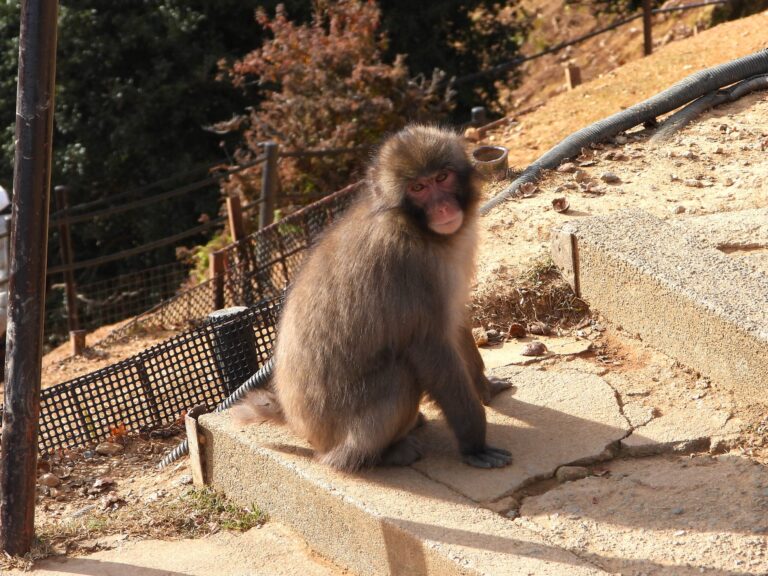
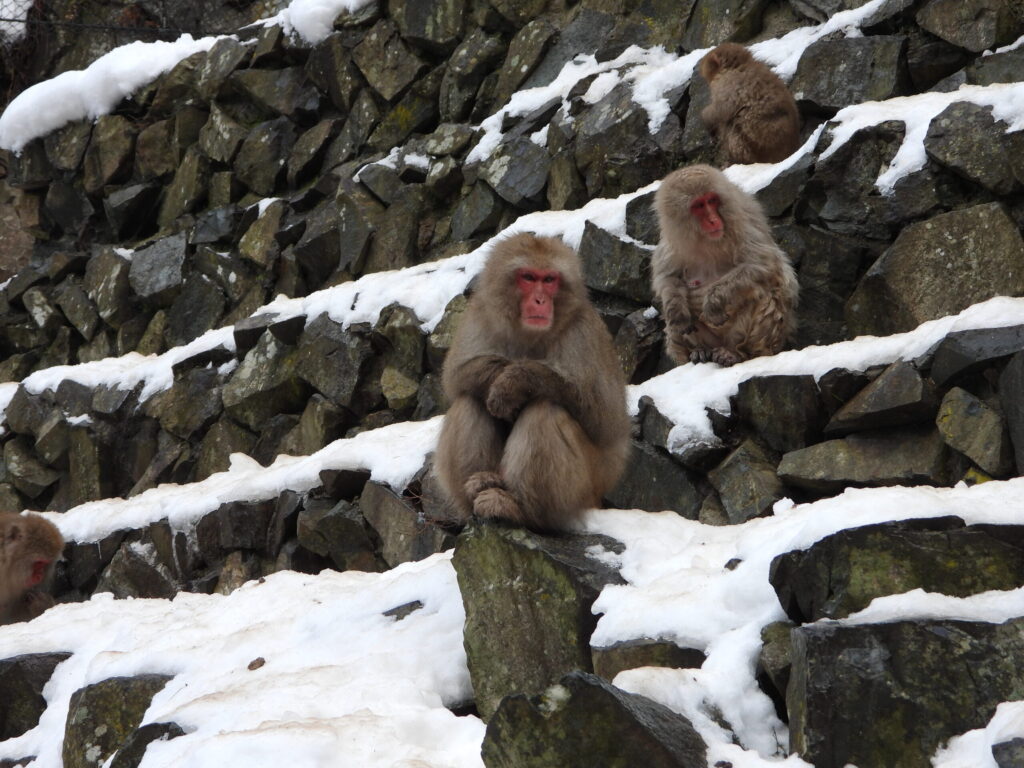
The monkeys seen at Jigokudani are Japanese macaques, a species known for its ability to live in cold climates.
They are highly social animals that live in groups and spend much of their time foraging, grooming, resting, and interacting with one another.
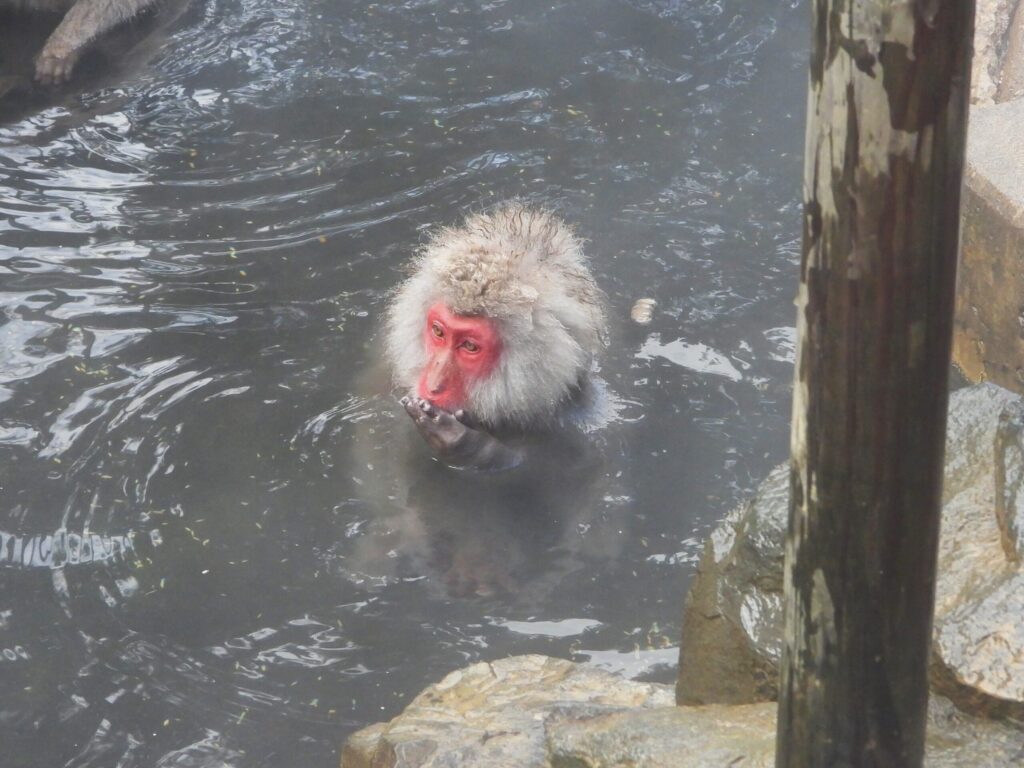
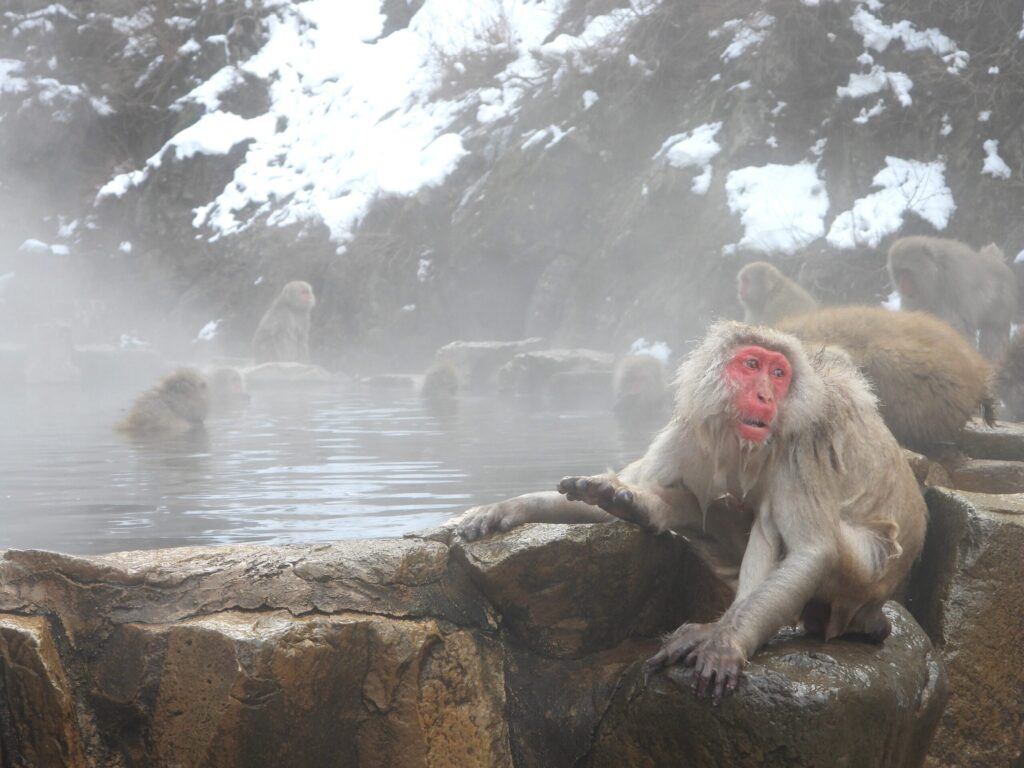
In cold weather, some individuals may enter the hot spring. This behavior is most commonly observed during winter, but it does not occur constantly and should not be expected on every visit.
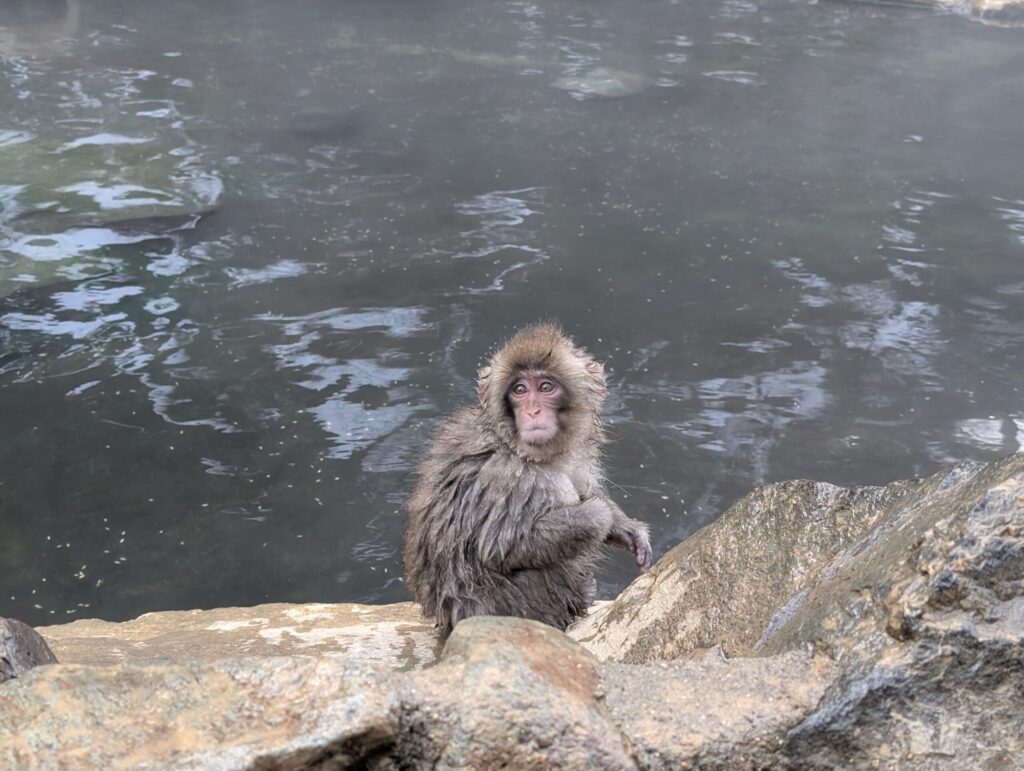
Do Snow Monkeys Always Bathe?
No.
Hot spring bathing is never guaranteed.
On some days, many monkeys may be seen in or around the water. On other days, none may enter at all. Their behavior varies depending on weather, temperature, time of day, and group dynamics.
Visitors should expect to see monkeys in a natural setting and consider hot spring bathing a bonus rather than a certainty.
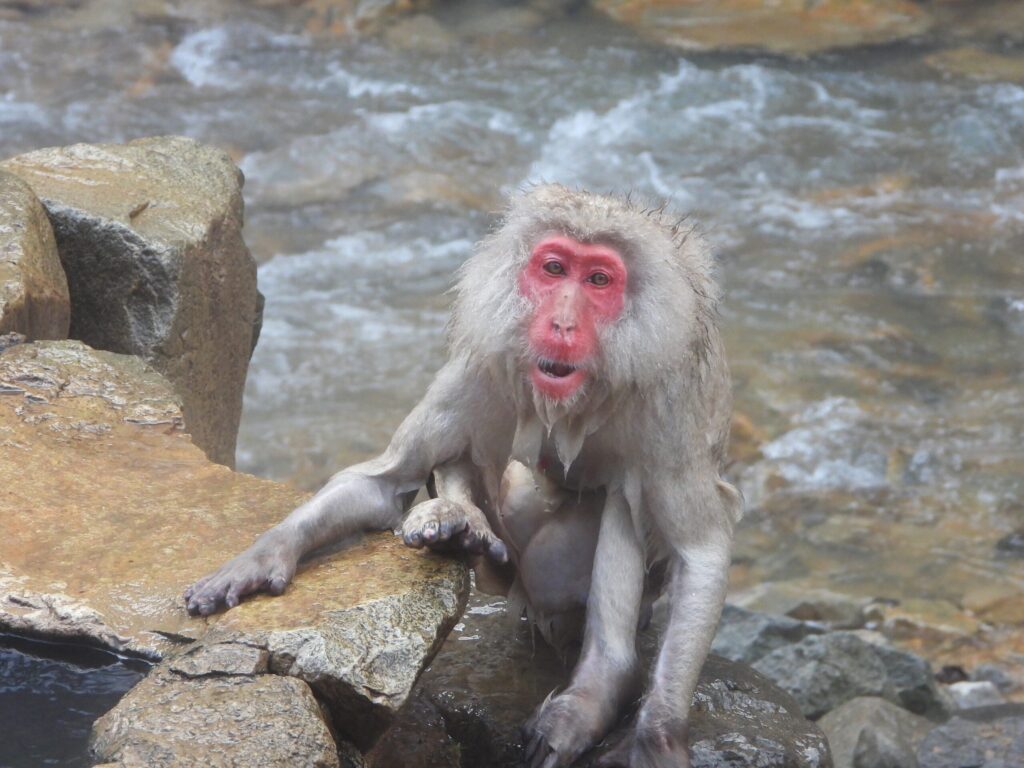
Best Time to Visit
Winter
Winter is the most popular season. Snow-covered scenery increases the chances of seeing monkeys near the hot spring, but even in winter there are days when bathing does not occur.
Spring and Autumn
Monkeys are present year-round, but hot spring use becomes less frequent. These seasons are quieter and more comfortable for walking.
Summer
Monkeys still live in the area, but hot spring bathing is rare. Dense vegetation can make visibility more limited.
What You Can Realistically See
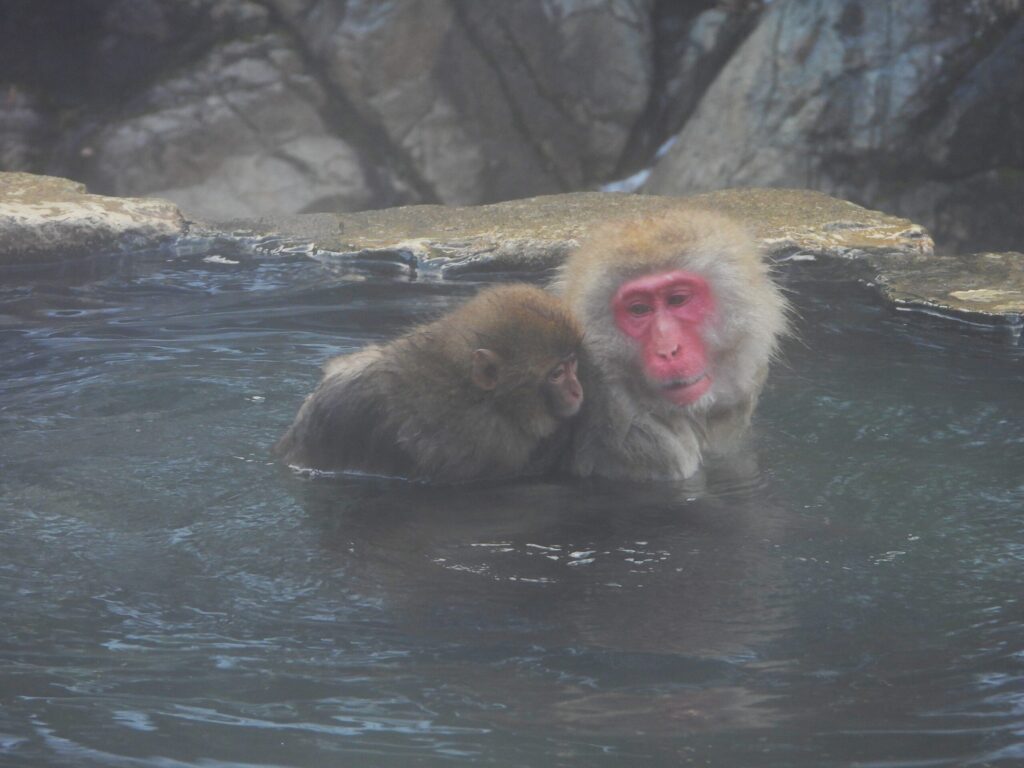
Most visitors can expect to observe:
- Groups of Japanese macaques moving through the area
- Grooming, resting, and social behavior
- Seasonal changes such as infants or juveniles
Other wildlife may live in the surrounding forest, but monkeys are the primary and most consistently observed animals.
Photography Tips
- A medium telephoto lens helps maintain distance
- Morning light is often softer and less crowded
- Snowfall can create dramatic scenes but requires weather protection for equipment
- Flash photography should be avoided
Rules, Etiquette, and Safety
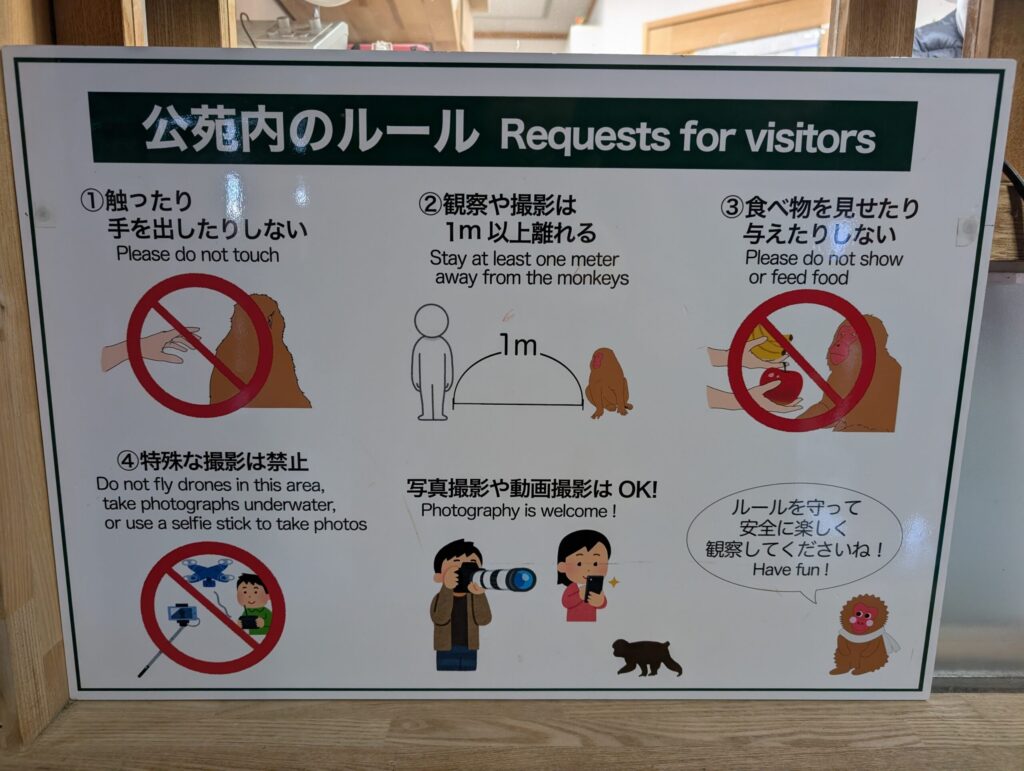
- Do not touch or feed the monkeys
- Avoid direct eye contact
- Secure bags and loose items
- Follow posted rules and staff instructions
Getting There (General Overview)
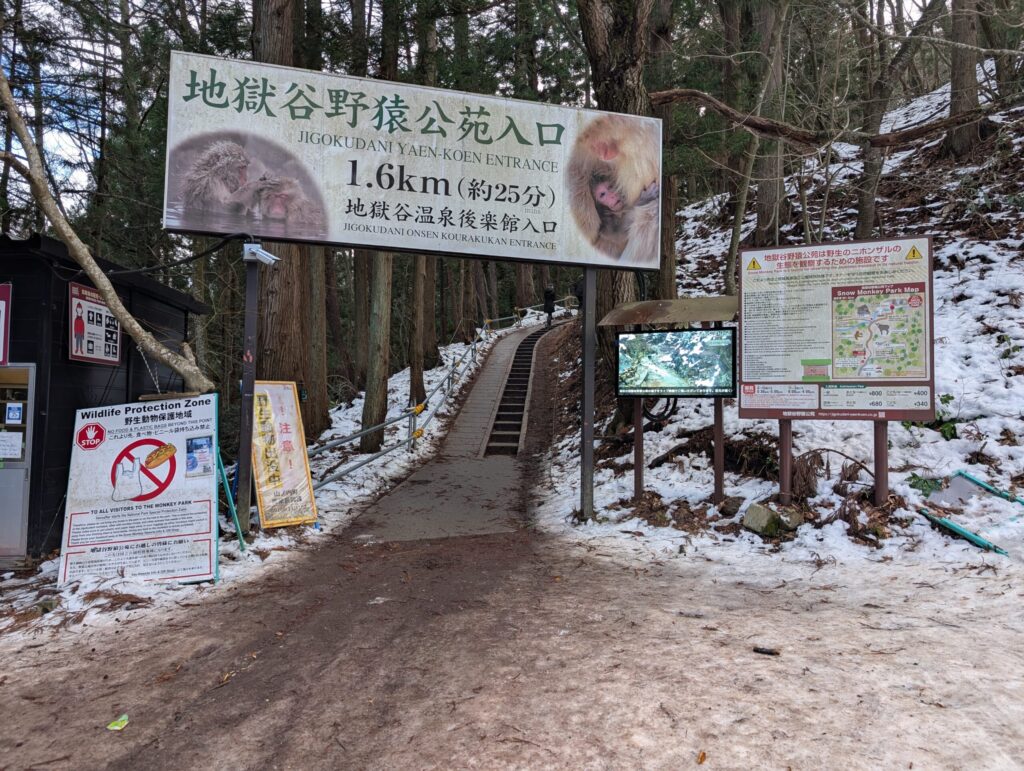
From the nearest parking area or bus stop, visitors should expect a walk of around 30 minutes along a forest trail to reach the park.
The path is relatively gentle, but it can be snowy or icy in winter, so proper footwear is important.
Is Jigokudani Worth Visiting?
For travelers interested in wildlife, photography, and seasonal landscapes, Jigokudani Yaen-Koen offers a rare opportunity to observe wild monkeys in a cold mountain environment.
Rather than a guaranteed spectacle, the value of the visit lies in seeing animals living on their own terms.
Author’s Impression
Watching Japanese macaques move quietly through a snowy valley feels deeply authentic.
Seeing wild monkeys bathing in a hot spring, something that can only be experienced here, was genuinely moving.
Even without constant bathing, the combination of steam, forest silence, and natural animal behavior makes the visit unforgettable.
Related Links
Best Time to Visit Jigokudani Snow Monkey Park
Learn the best season to visit Jigokudani Yaen-Koen, including weather conditions, snow coverage, crowd levels, and what affects snow monkey activity.
Why Do Snow Monkeys Bathe in Hot Springs?
An in-depth explanation of why Japanese macaques use hot springs in winter, including environmental factors, behavior, and common misconceptions.
Japanese Macaque (Macaca fuscata) – Species Guide
A detailed species profile covering appearance, habitat, behavior, diet, and conservation status of the Japanese macaque.