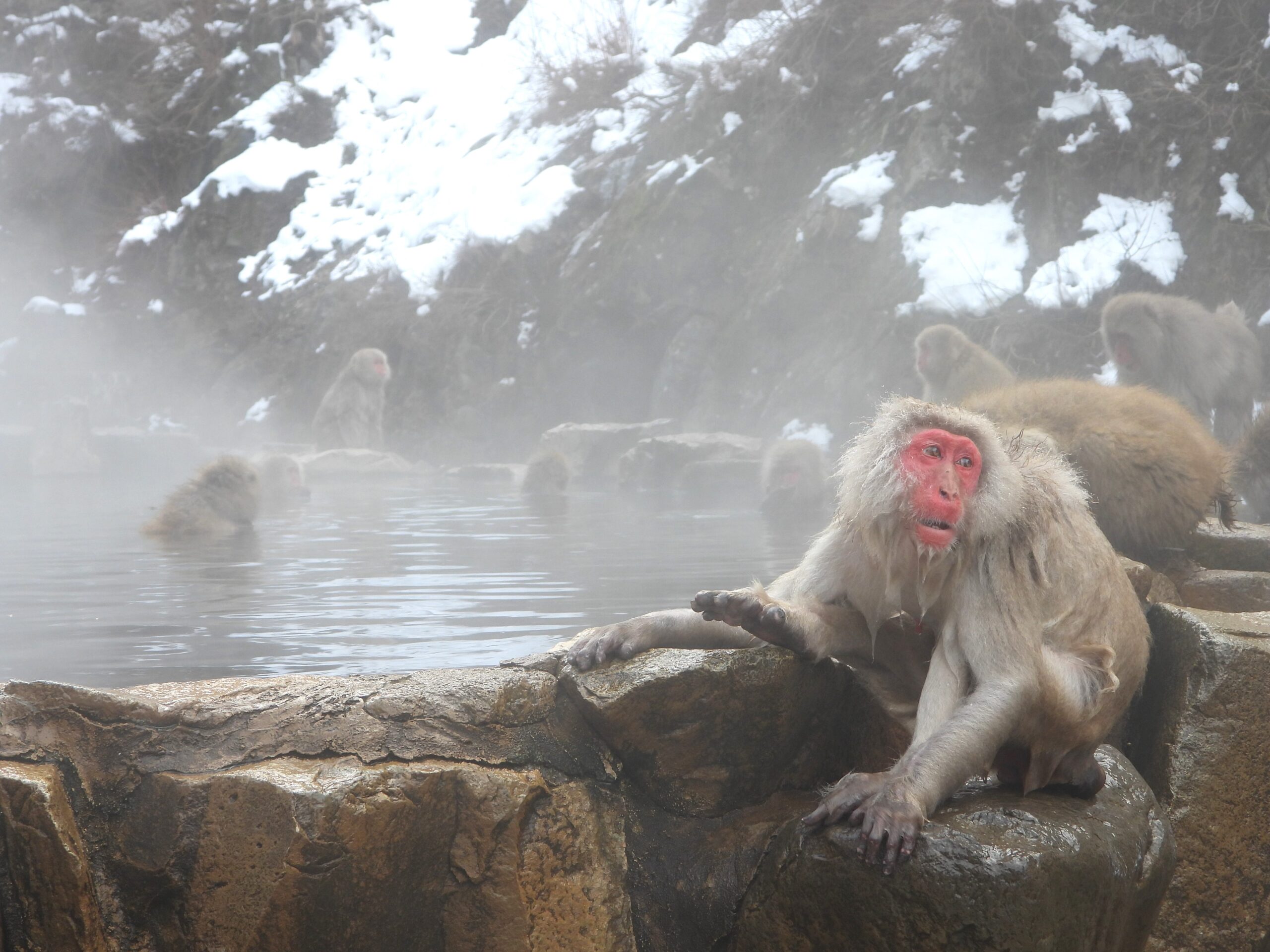
Best Time to Visit Jigokudani Snow Monkey Park
Introduction
If you’re planning a trip to see Japan’s famous snow monkeys, choosing the right season makes all the difference.
Jigokudani Yaen-Koen is open year-round, but the monkeys’ behavior, the scenery, and the overall experience change significantly depending on the season. Snow, temperature, and daily conditions all influence where the monkeys spend their time.
This guide explains the most reliable season to visit, what you can realistically expect throughout the year, and how to plan your visit without assuming guaranteed sightings.
Best Season to See Snow Monkeys in Hot Springs
Winter (December to March)
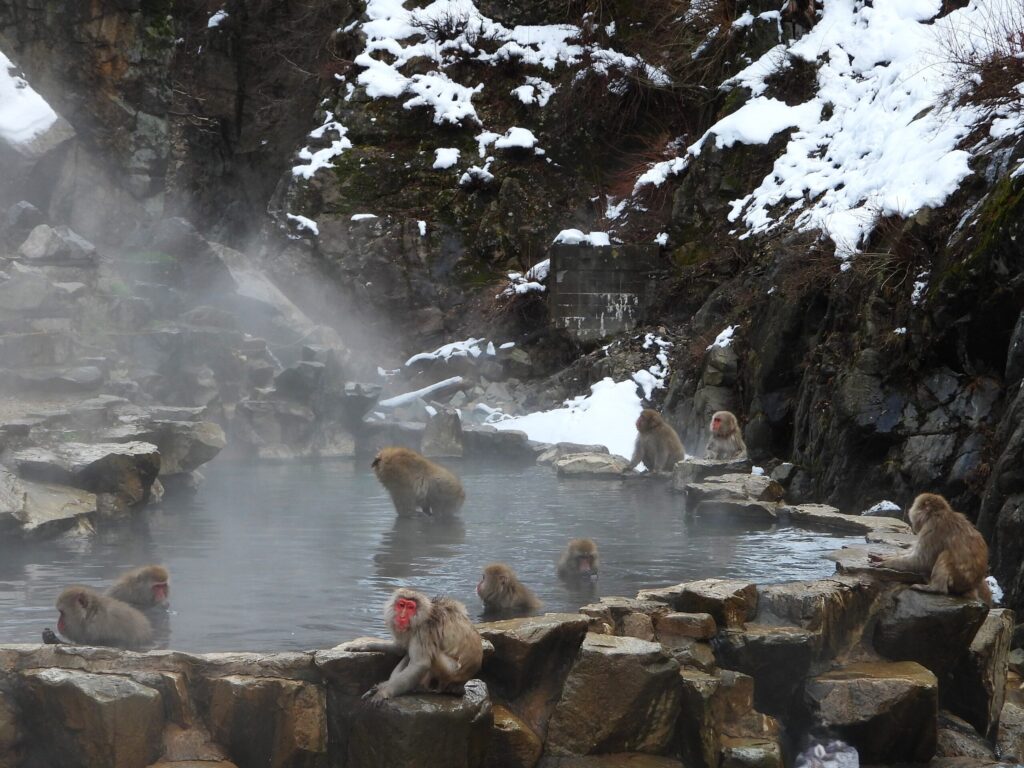
Winter, from December to March, is widely considered the most reliable season to see snow monkeys using hot springs.
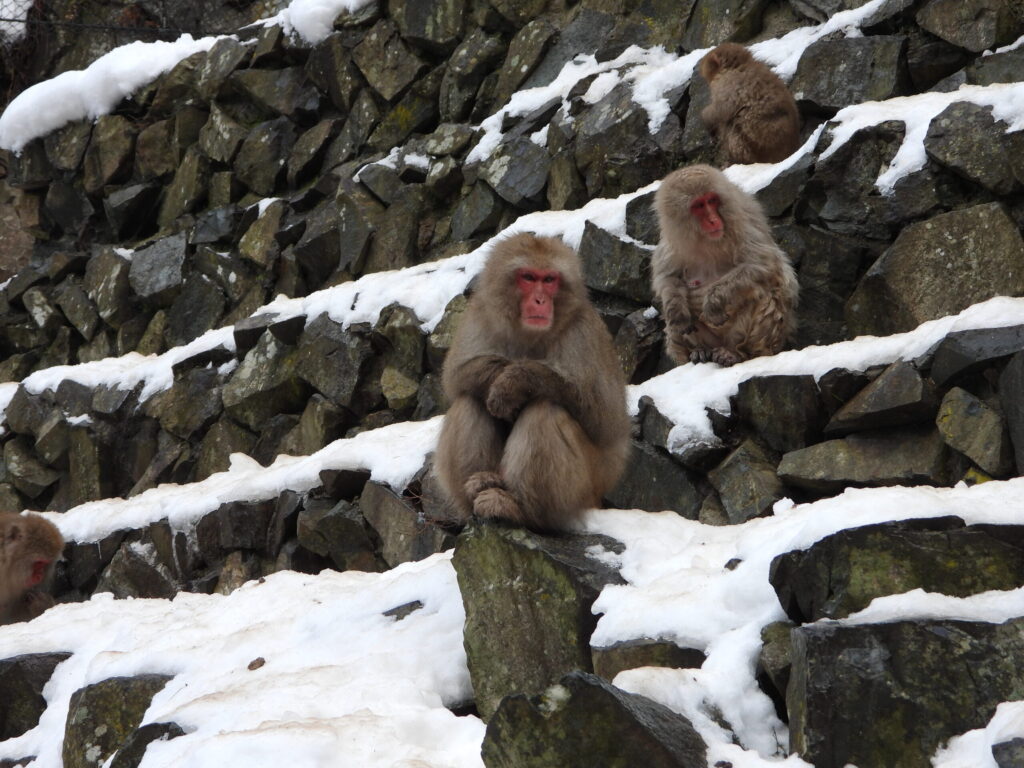
During this period, cold temperatures and frequent snowfall create the conditions most closely associated with the classic “snow monkey” imagery. Snow-covered landscapes and rising steam from the hot spring are most likely during these months.
Among these months, January and February often offer the most consistent combination of cold temperatures and snow-covered scenery.
Even so, hot spring bathing is never guaranteed. The monkeys move freely and may enter or leave the water depending on weather, time of day, and group behavior.
Are Snow Monkeys Always in Hot Springs?
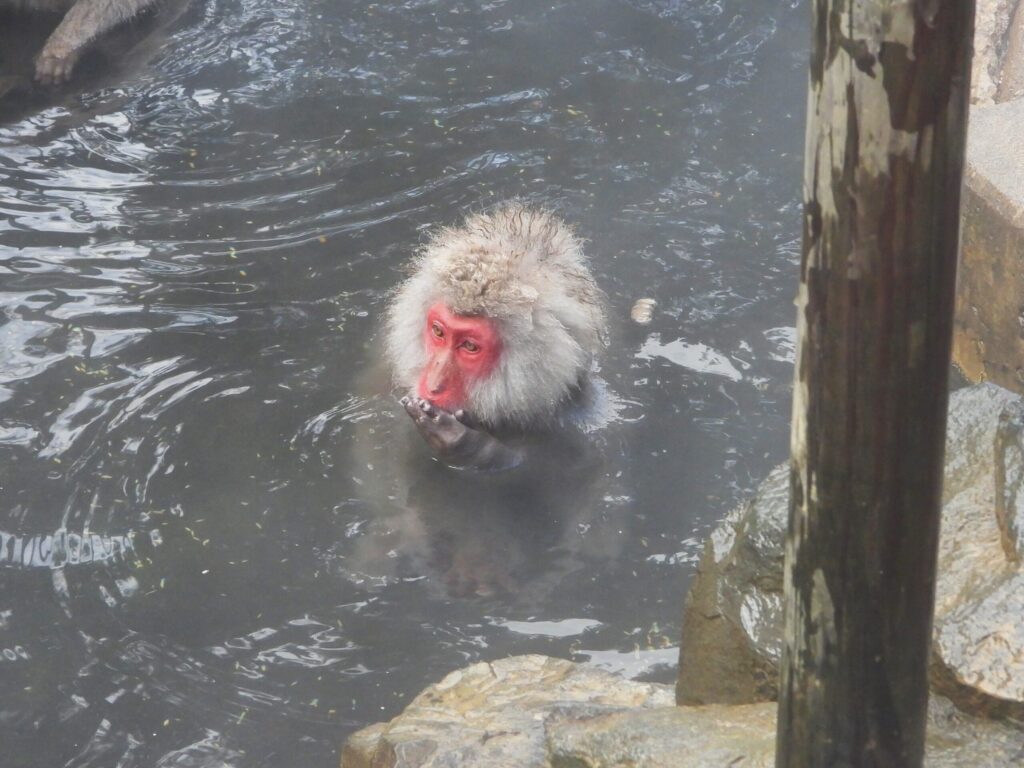
No. Snow monkeys do not stay in hot springs all the time.
Even in winter, they may spend long periods outside the water, foraging, resting, or interacting with other group members. Hot spring use is a flexible behavior rather than a fixed routine.
Visitors should approach the experience with patience and realistic expectations.
What You Can Expect by Season
Winter
Winter offers the strongest chance of seeing monkeys near the hot spring and the most dramatic scenery. Snowy landscapes, cold air, and steam rising from the water create a unique atmosphere, though visitor numbers are also at their highest.
Early Spring and Late Autumn
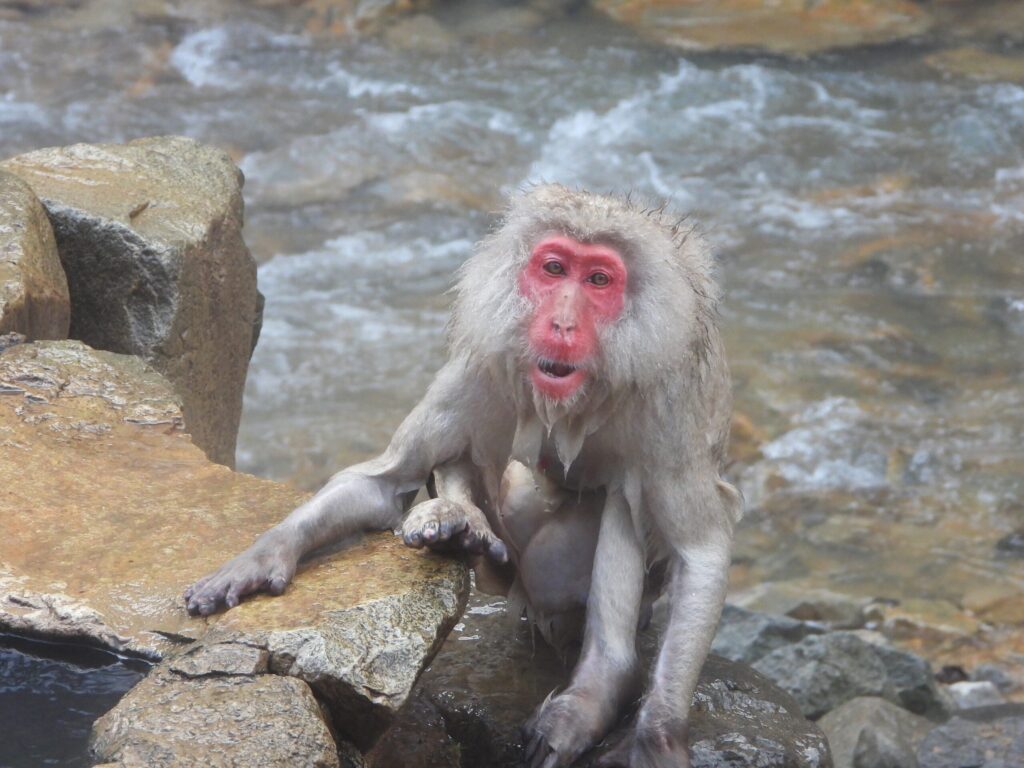
In early spring and late autumn, monkeys may still use the hot spring occasionally, but sightings become less predictable. Snow may be absent, and conditions vary greatly from day to day. These seasons are generally quieter and less crowded.
Summer
In summer, hot spring bathing is rarely observed. However, the monkeys remain active throughout the area, offering good opportunities to observe natural behaviors in a green, forested setting.
Best Time of Day to Visit in Winter
There is no fixed time of day when snow monkeys will definitely use the hot spring.
In winter, colder temperatures and quieter periods can sometimes coincide with hot spring use, but behavior varies daily. Arriving early and allowing enough observation time improves your chances more than aiming for a specific hour.
Why Winter Matters
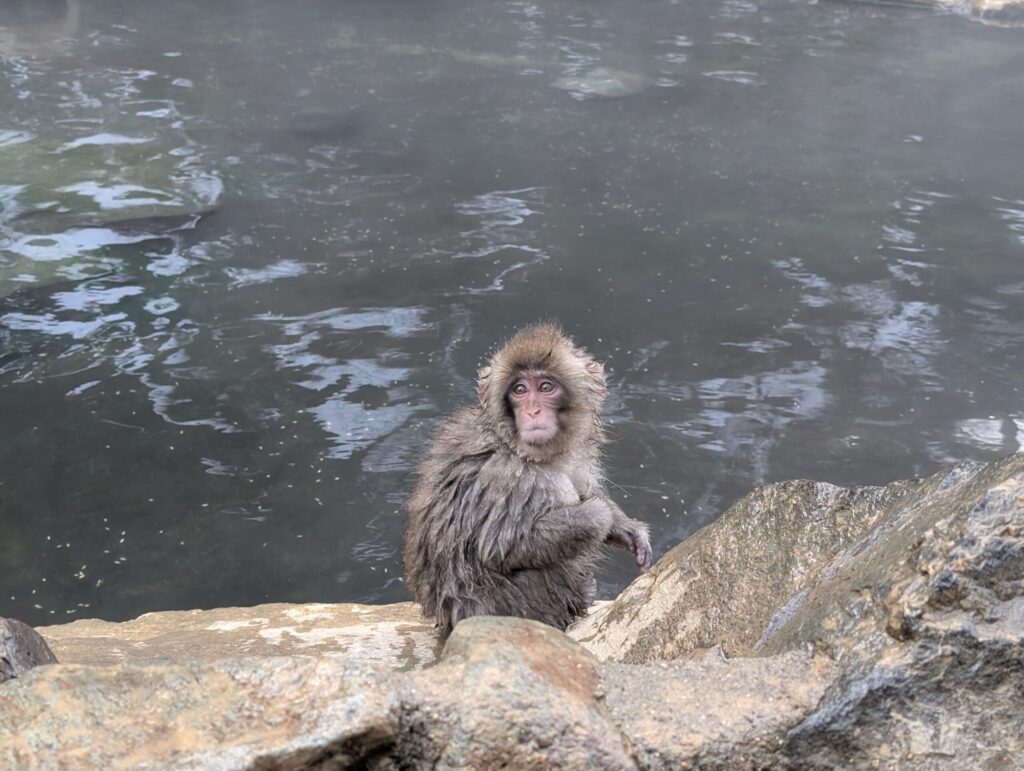
Winter presents the harshest conditions for snow monkeys, including low temperatures and snowfall. These environmental pressures influence how the monkeys rest, move, and interact.
Hot spring use is one response to winter conditions, but it is only part of a broader seasonal adaptation strategy.
Common Misconceptions About Snow Monkeys
Snow monkeys do not bathe in hot springs year-round.
Seeing monkeys in the water is never guaranteed, even in winter.
Snow is not strictly required for hot spring use, but it strongly affects the atmosphere and visitor experience.
Understanding these points helps visitors appreciate snow monkeys as wild animals rather than staged attractions.
Author’s Impression
Seeing snow monkeys in winter is a powerful and unforgettable experience. Watching them quietly soaking in warm water while snow falls around them feels like witnessing a scene that exists nowhere else in the world.
Even when the monkeys are not in the hot spring, observing their social interactions and behavior in a snowy environment is deeply rewarding.
Practical Tips for Winter Visitors
Dress warmly and wear shoes with good grip, as paths can be icy.
Allow extra time for walking and observation.
Keep a respectful distance from the monkeys and avoid direct interaction.
Patience is essential, as wildlife behavior is unpredictable.
Related Links
Jigokudani Snow Monkey Park Guide | Wildlife of Japan
Learn how to visit Jigokudani Yaen-koen, including access, walking trail conditions, rules, and what to expect when observing wild snow monkeys.
Why Do Snow Monkeys Bathe in Hot Springs?
An in-depth explanation of why Japanese macaques use hot springs in winter, including environmental factors, behavior, and common misconceptions.
Japanese Macaque (Macaca fuscata) – Species Guide
A detailed species profile covering appearance, habitat, behavior, diet, and conservation status of the Japanese macaque.