Birdwatching in Nikko National Park: Best Spots & Birds You Can See
Introduction
Nikko National Park is widely known for its historic shrines and dramatic waterfalls, but it is also one of the most rewarding birdwatching destinations near Tokyo. Within a relatively compact area, wetlands, lakes, fast-flowing rivers, forests, and cliffs create a wide variety of habitats.
This guide is organized by specific birdwatching spots, focusing on birds that can realistically be seen in each location. Rather than listing rare or uncertain records, it highlights reliable target species based on habitat and season, making it suitable for both first-time visitors and experienced birdwatchers.
Why Nikko Is Great for Birdwatching
- Diverse habitats within a short distance
- Clear separation between wetlands, lakes, forests, rivers, and cliffs
- Easy access from Tokyo
- Spot-based birding that works well even on short trips
Best Birdwatching Spots in Nikko National Park
Senjogahara Marshland
Wetland and grassland with forest edges
Senjogahara is the most important birdwatching area in Nikko. Its open marshland and grassland offer excellent visibility and are especially suitable for grassland and wetland-edge species.
Featured species (with photos)
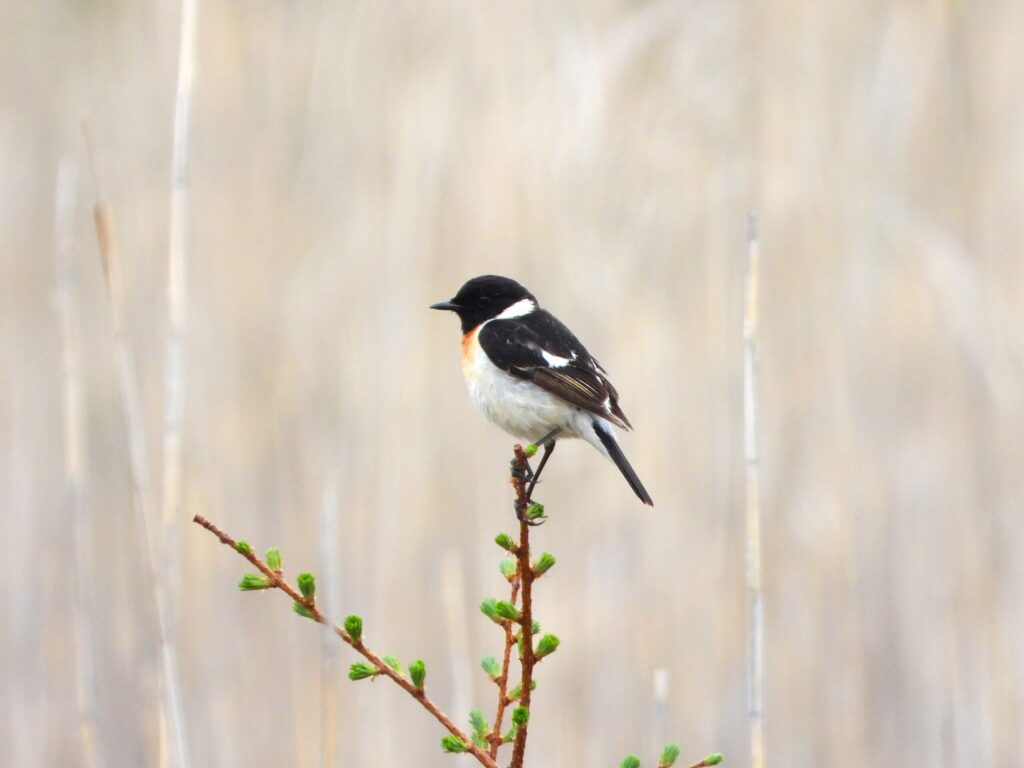
Stonechat– species guide
Often seen perched on low shrubs or wooden posts in open grassland, particularly from spring to summer.
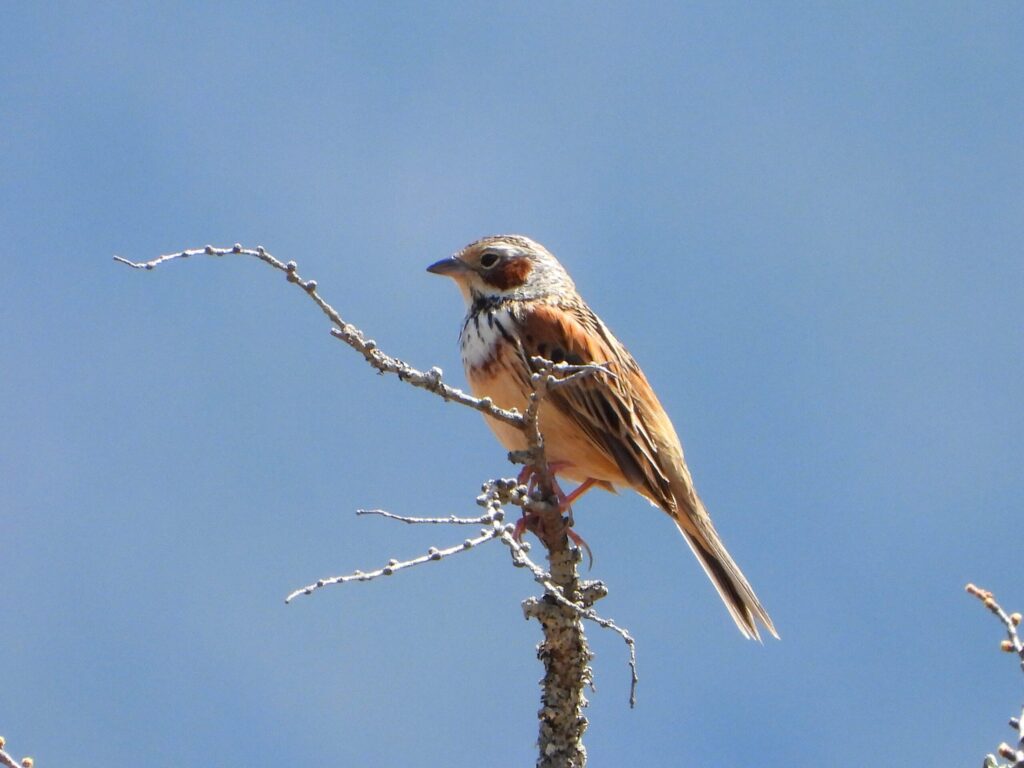
Chestnut-eared Bunting – species guide
A characteristic bird of wet grassland, usually detected first by its song from low vegetation.
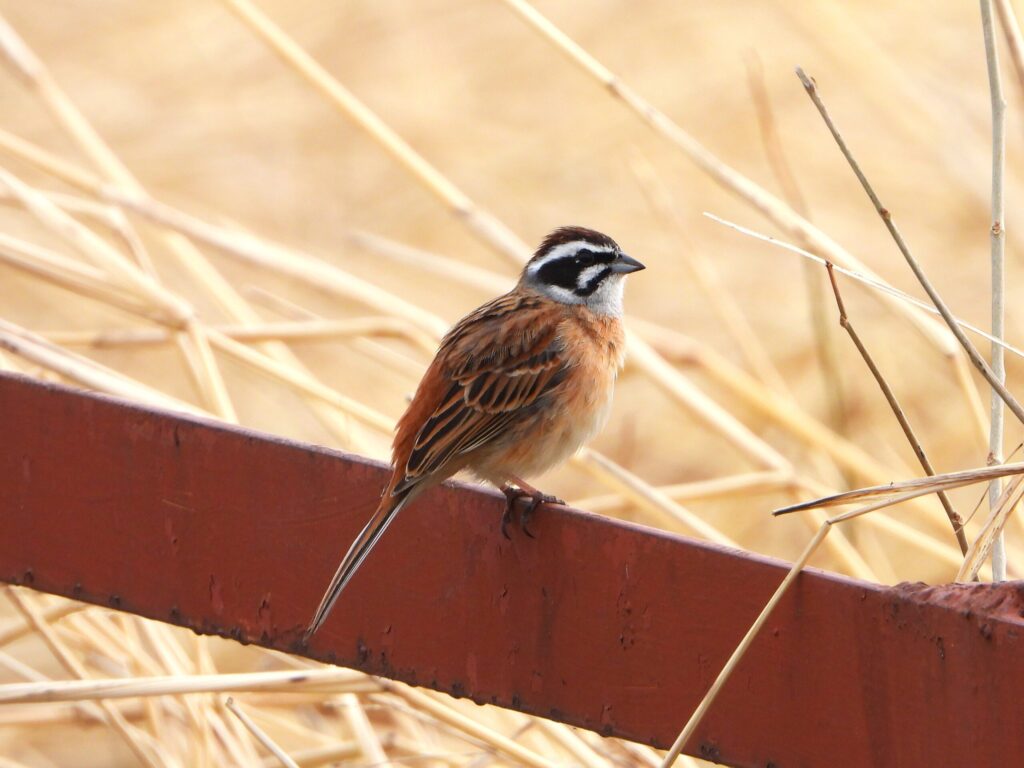
Meadow Bunting – species guide
Common along grassland edges and open areas, making it one of the easiest species to observe here.
Other birds you may see
- Japanese Tit – species guide
- Varied Tit – species guide
- Eurasian Jay – species guide
- Brown Dipper – species guide
- Olive-backed Pipit – species guide
Kegon Falls
Waterfall, cliffs, and open sky
Kegon Falls is a famous sightseeing spot, but it also offers unique birdwatching opportunities. Here, the key is not the forest floor but the cliffs and the open sky.
How to watch
From the observation deck, scan the rock faces and the airspace around the waterfall. Birds often appear suddenly as they follow cliff lines or ride air currents.
Featured species (with photos)
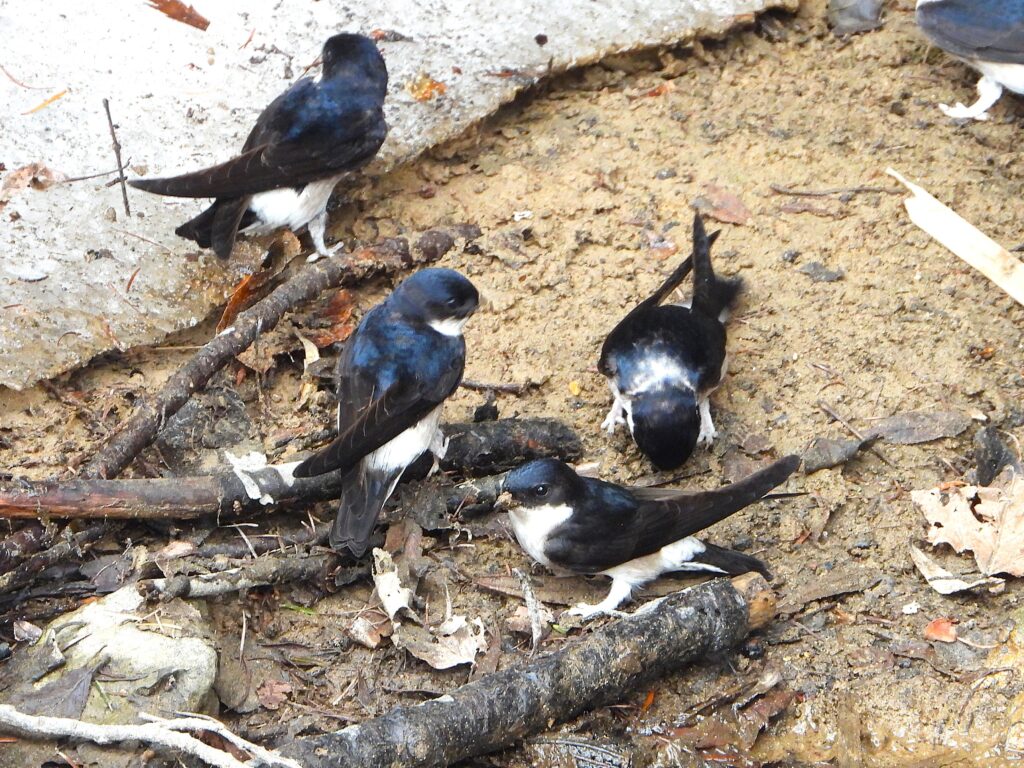
Asian House Martin – species guide
Seen flying rapidly around the cliffs and waterfall area during the warmer months.
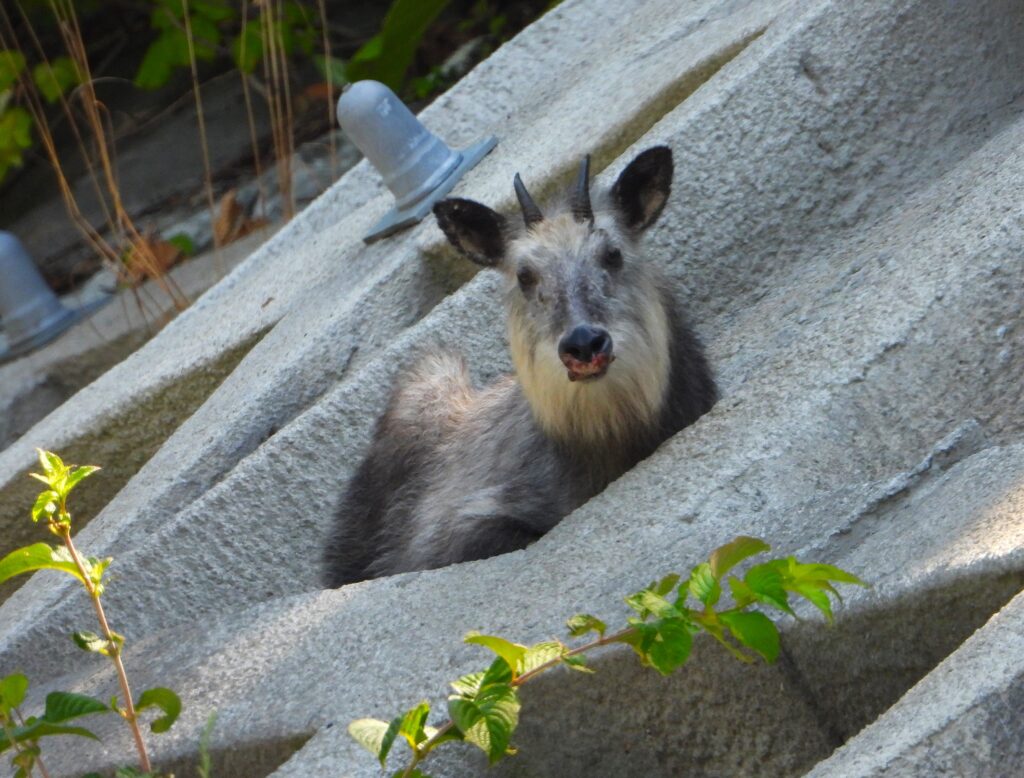
Japanese Serow – species guide
Although not a bird, serows may occasionally be seen on forested slopes or rocky areas near the falls.
Other birds you may see
- Pacific Swift
- Peregrine Falcon
Depending on the season and conditions, swifts and Peregrine Falcons may be seen flying around the cliffs and waterfall area.
Lake Chuzenji
Mountain lake with forested shoreline and inflowing streams
Lake Chuzenji combines open water with surrounding woodland, allowing both waterbirds and forest species to be observed in one area.
Featured species (with photos)
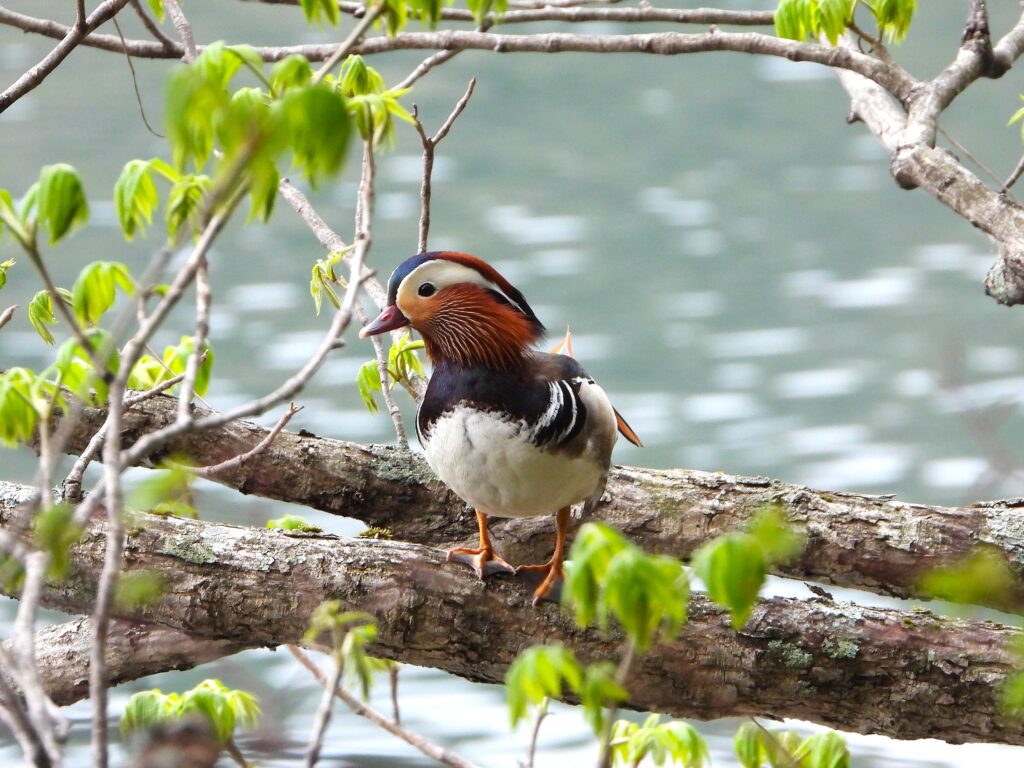
Mandarin Duck – species guide
Often found near quiet sections of the shoreline, especially where forest meets water.
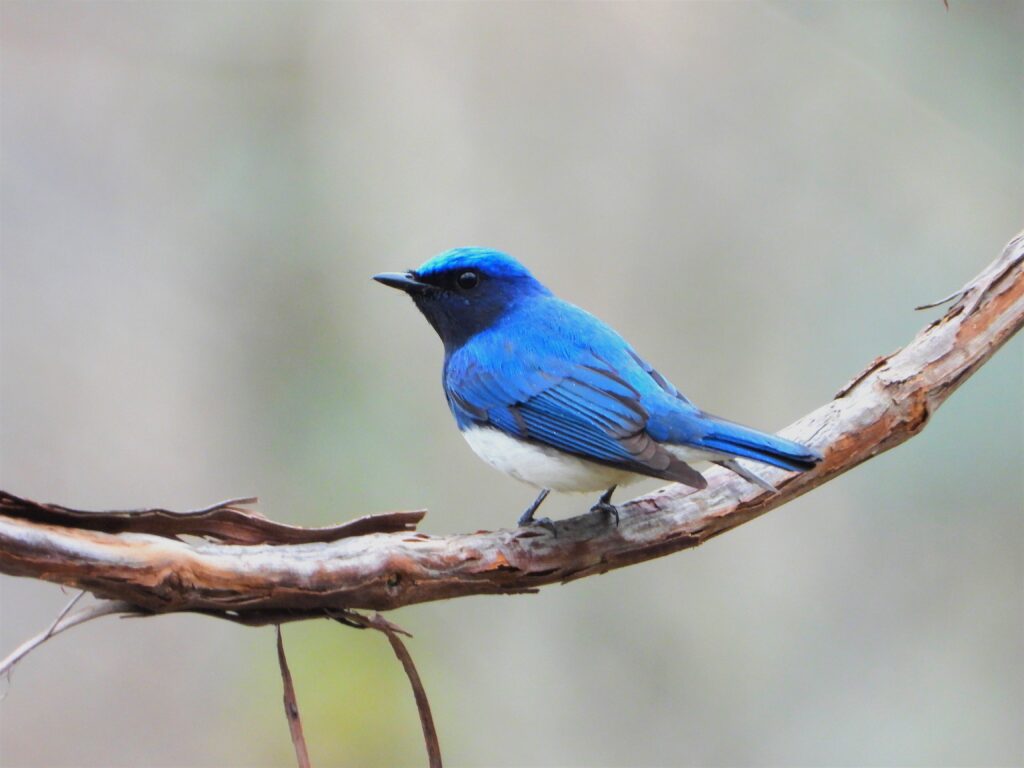
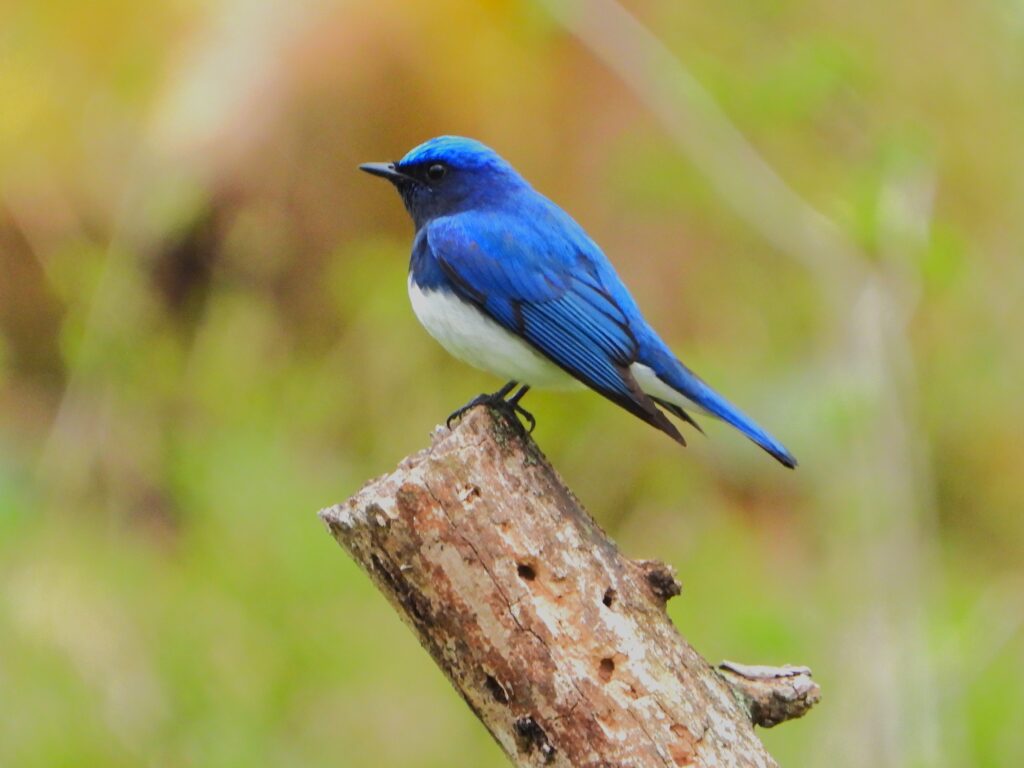
Blue-and-white Flycatcher – species guide
A striking forest bird, usually detected by its clear song in spring and early summer.
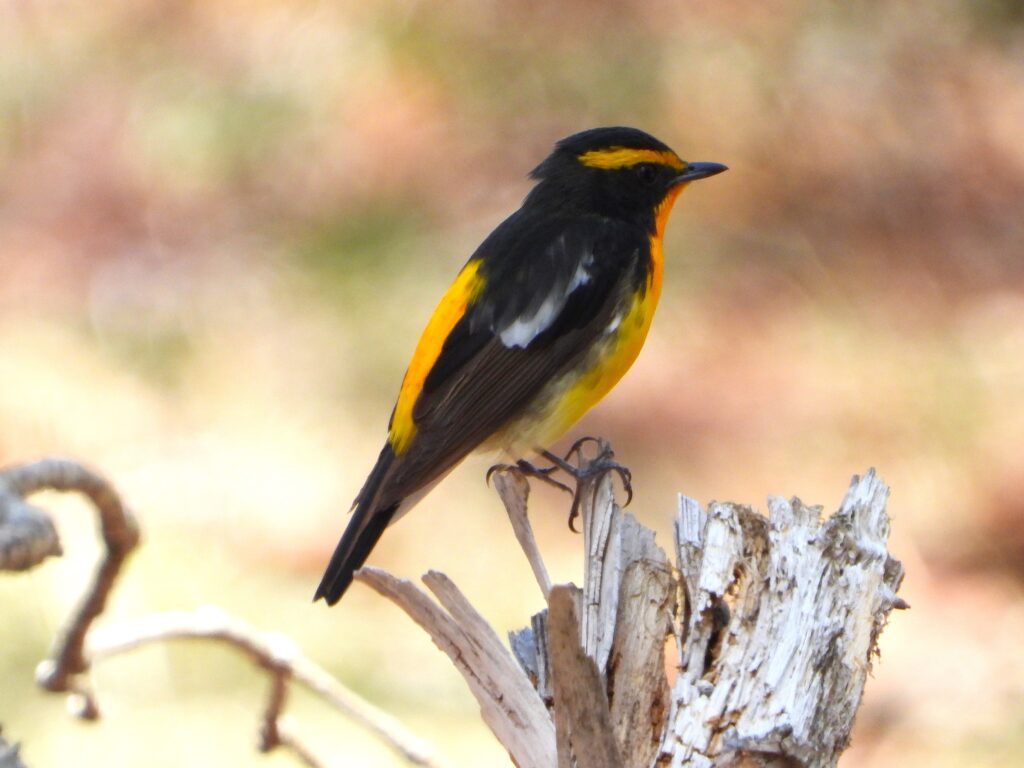
Narcissus Flycatcher – species guide
Common along forest trails and wooded lake edges during the breeding season.
Other birds you may see
- Great Cormorant – species guide
- Grey Wagtail – species guide
Yumoto & Oku-Nikko Forest Area (including Yudaki Falls)
Subalpine forest, streams, and wetlands
The Yumoto area and nearby Yudaki Falls are characterized by cool subalpine forest and fast-flowing streams. This area is particularly good for forest specialists and river-dependent species.
Featured species (with photos)
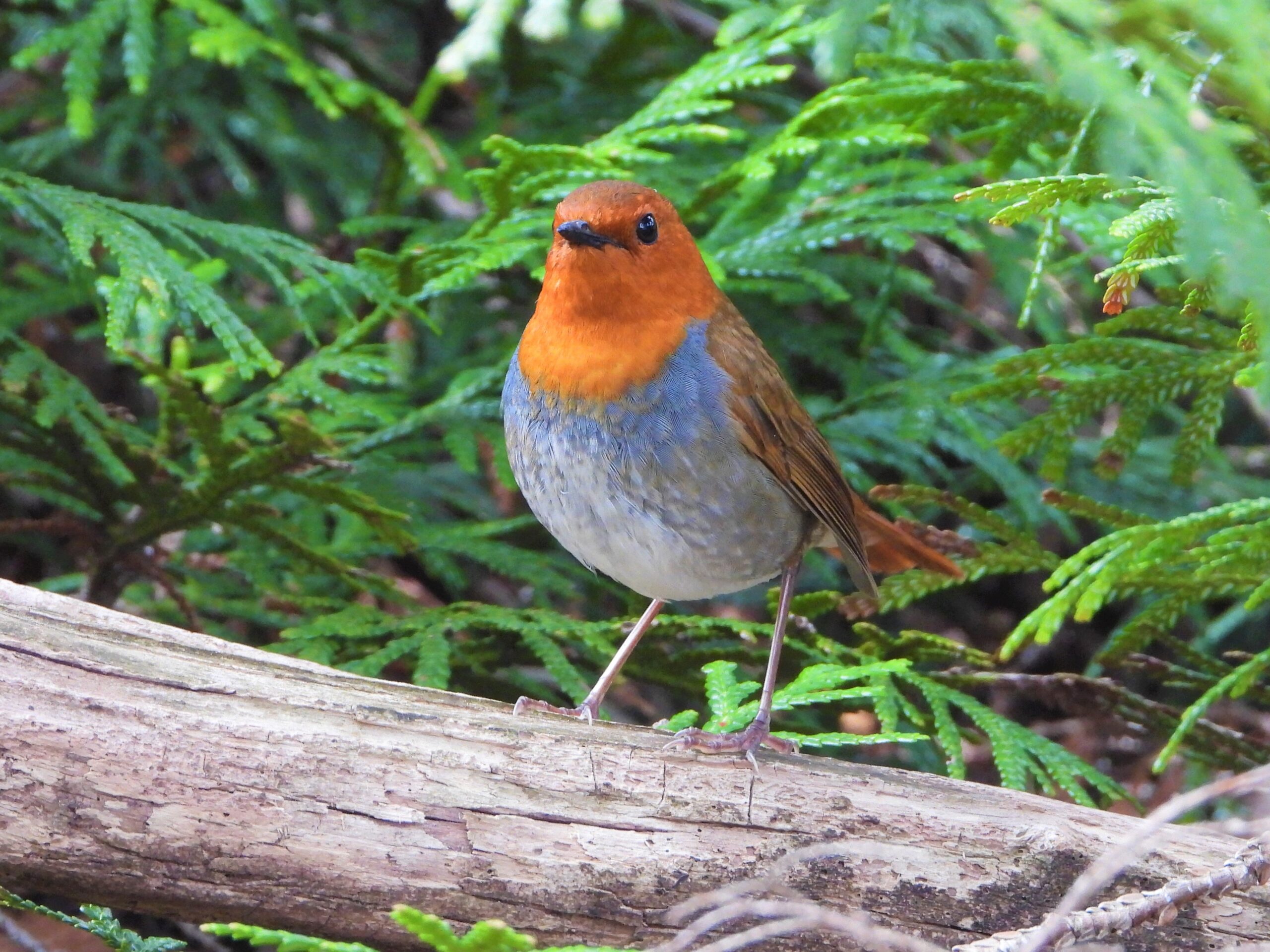
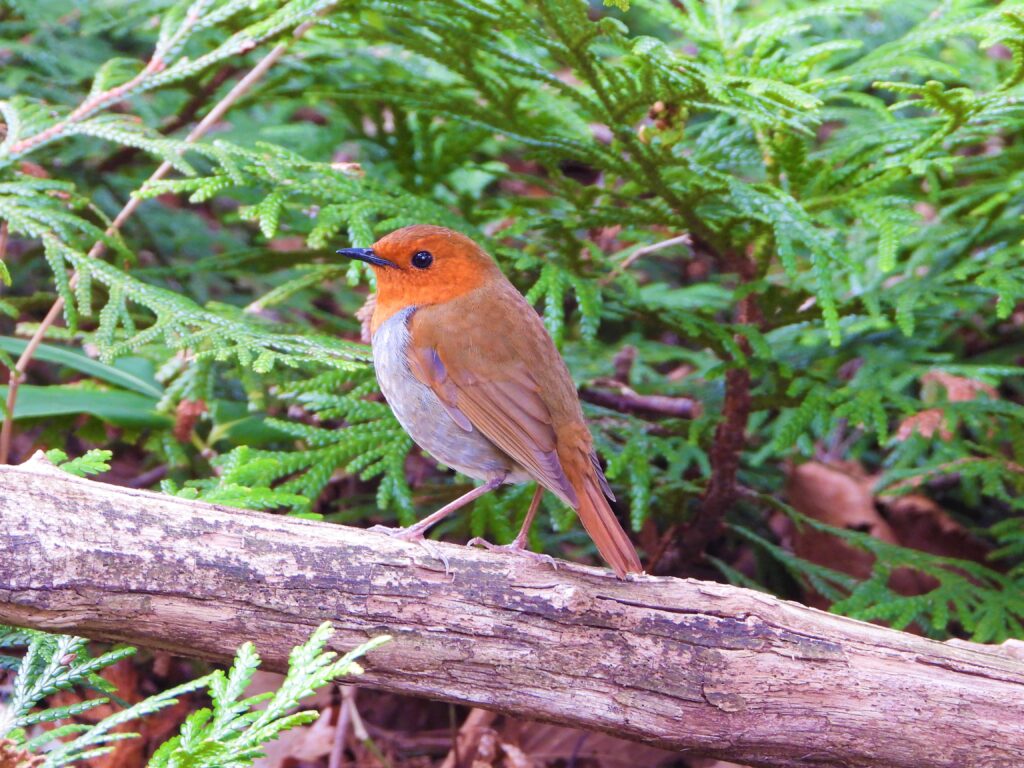
Japanese Robin – species guide
A shy forest-floor bird, usually found in dark woodland and more often heard than seen.
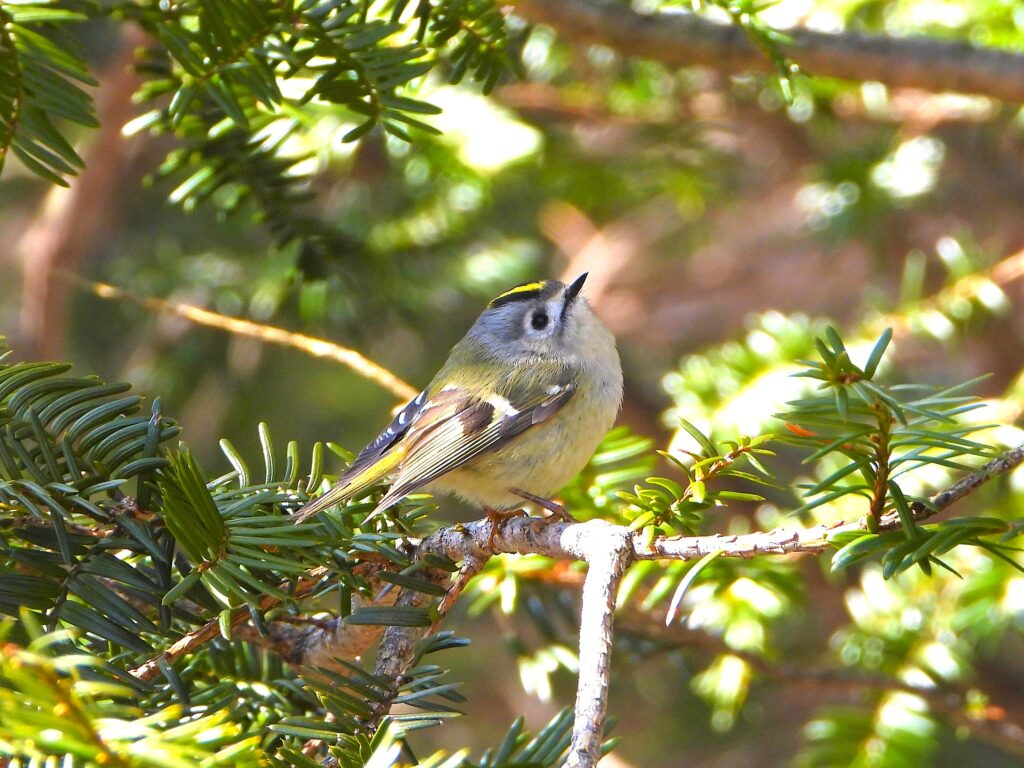
Goldcrest – species guide
Japan’s smallest bird, active in coniferous trees and mixed flocks, identified by quick movements and high-pitched calls.
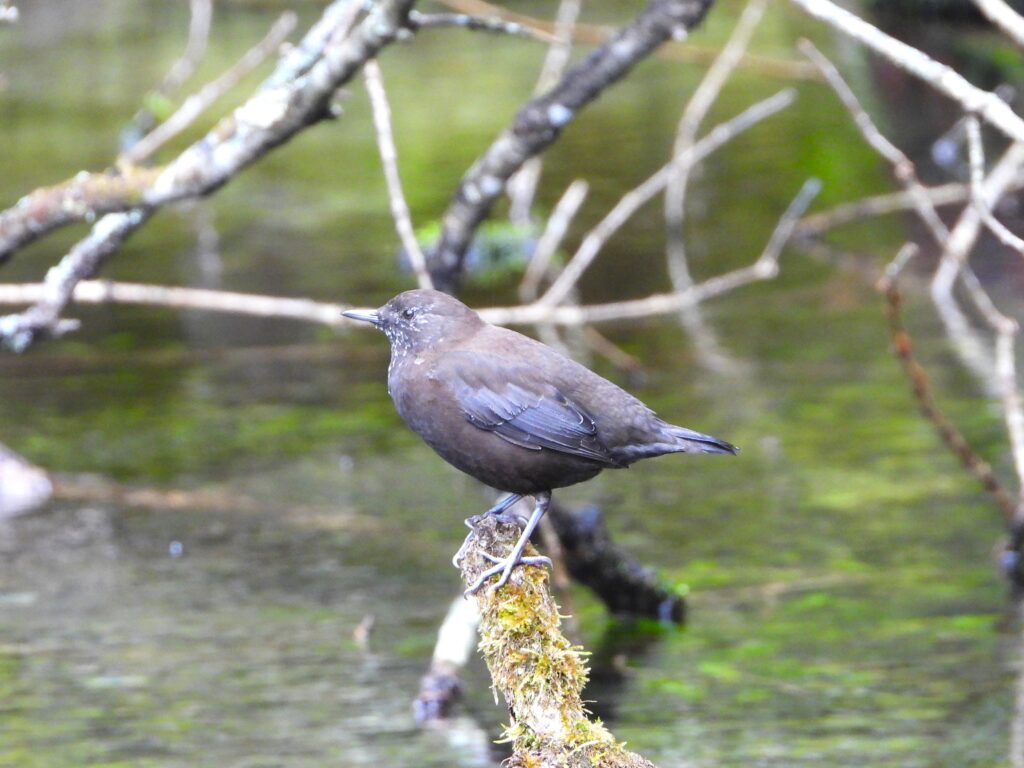
Brown Dipper – species guide
Frequently observed around Yudaki Falls, where it forages in fast-flowing water and dives beneath the surface.
Other birds you may see
- Coal Tit – species guide
- Tufted Duck – species guide
Best Season for Birdwatching in Nikko
- Spring to early summer: Breeding season, birds are most vocal and active
- Autumn: Migrants passing through
- Winter: Fewer species overall, but waterbirds and resident forest birds remain
Birdwatching Tips & Safety
Birdwatching etiquette
Always observe birds from a respectful distance and avoid approaching too closely, especially during the breeding season. Stay on designated trails to protect fragile habitats, and avoid using bird call playback, as it may disturb wildlife.
Bears
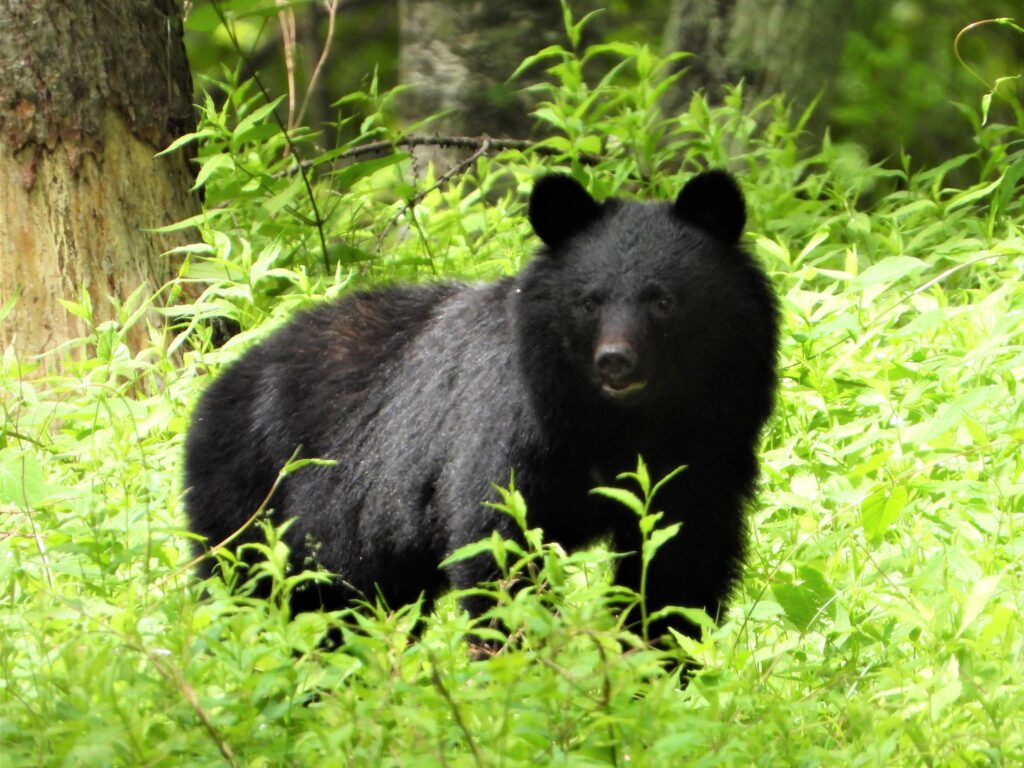
Asian black bears inhabit some forested areas of Nikko National Park. Encounters are uncommon, but visitors should stay alert, avoid moving quietly alone in dense forest, and follow local guidance and warning signs.
Author’s Impression
Nikko is one of the few places near Tokyo where such a wide range of habitats can be explored in a single visit. By focusing on specific locations rather than chasing rare species, birdwatchers can enjoy consistent and rewarding observations while respecting the natural environment.