Oochairo Hanamuguri (Osmoderma opicum) – Wildlife of Japan
Introduction
Osmoderma opicum is a scarab beetle that lives in Japan.
However, this species does not have a widely established English common name, so researchers usually refer to it by its scientific name.
In Japan, people use the romanized name “Oochairo Hanamuguri.”
Because it lives in a very specific and hidden environment, people rarely encounter this beetle.
Appearance
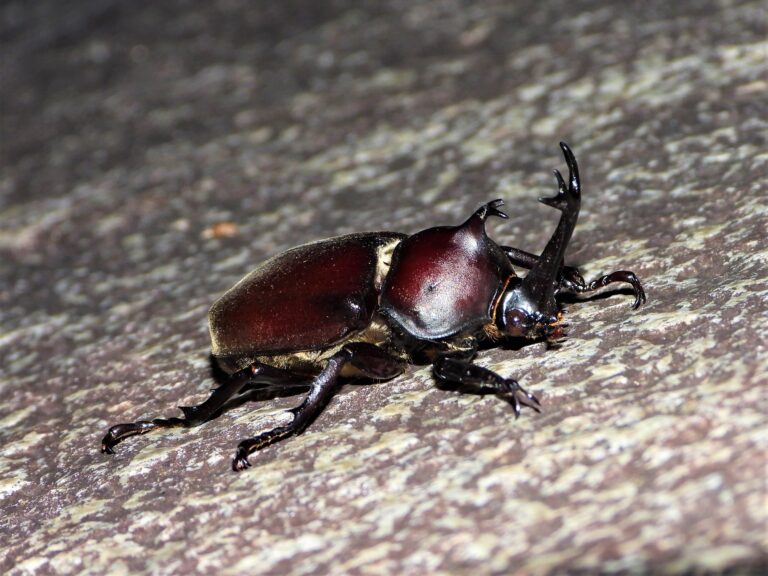
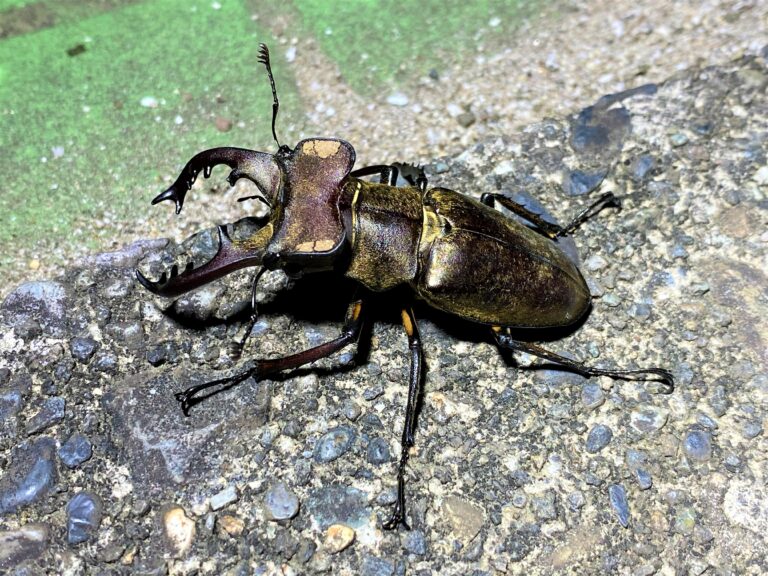
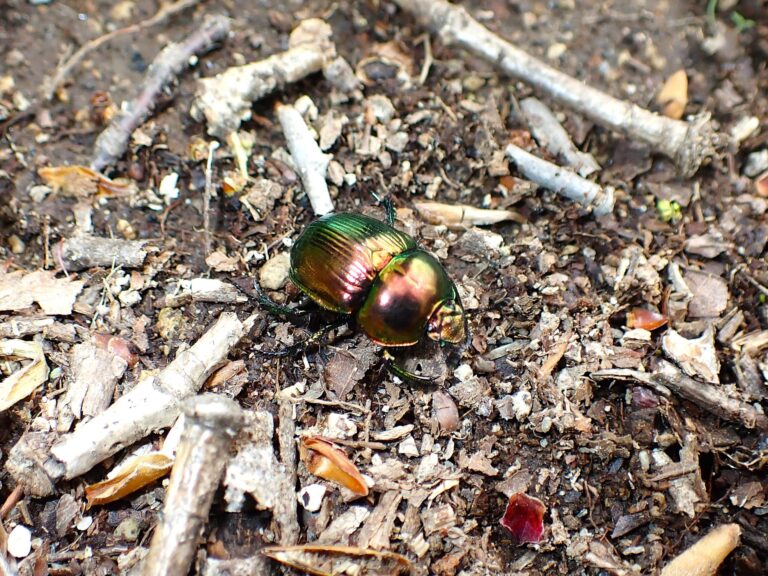
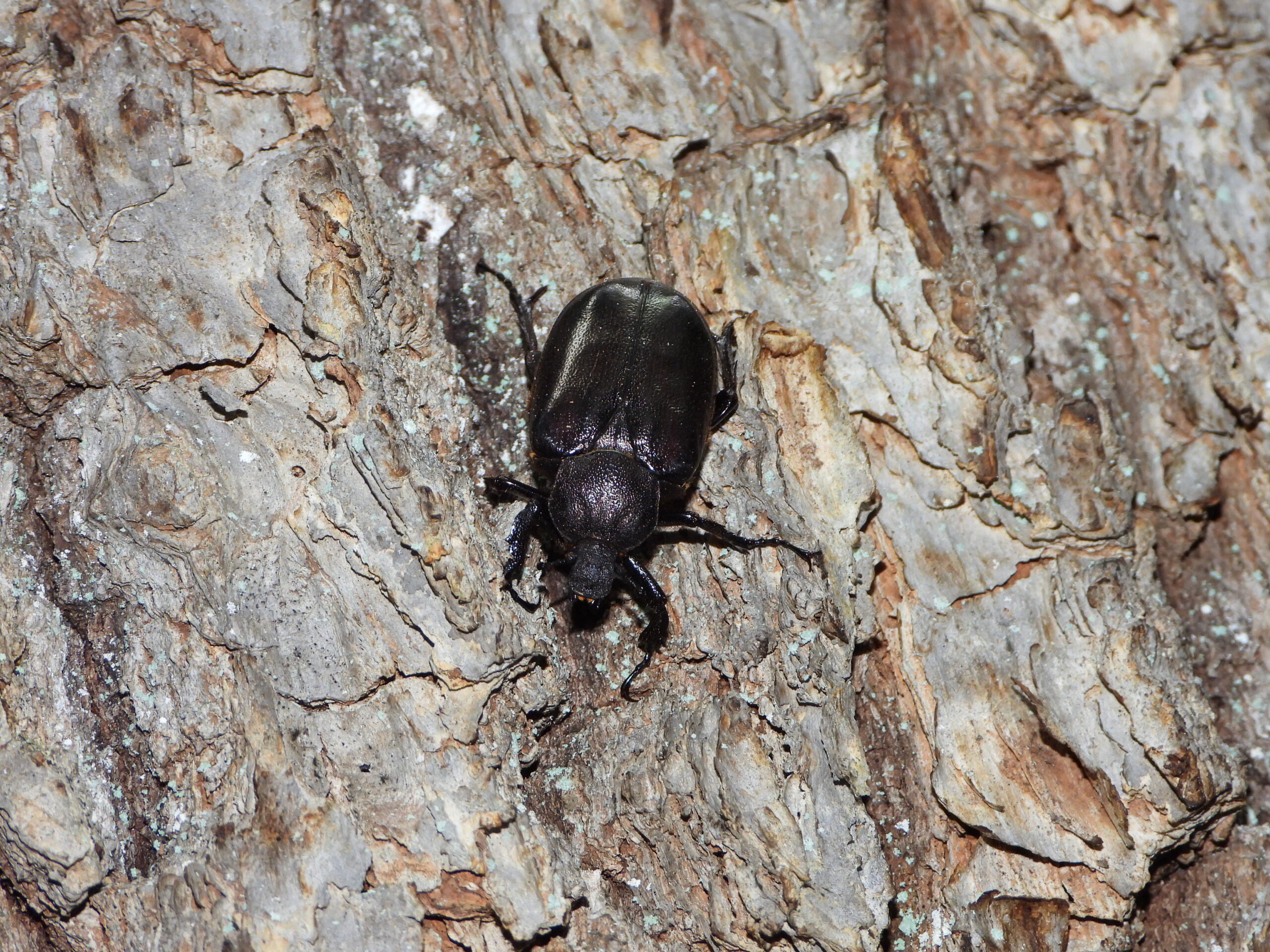
Adults grow relatively large and show a dark brown to blackish body.
In addition, the surface looks mostly dull, although certain light can give it a faint bronze appearance.
Moreover, some individuals emit a noticeable musky odor, a well-known characteristic of beetles in the genus Osmoderma.
Overall, the beetle has a thick and robust body shape typical of large scarab beetles.
Habitat & Distribution
This species occurs in Japan, mainly across the main islands.
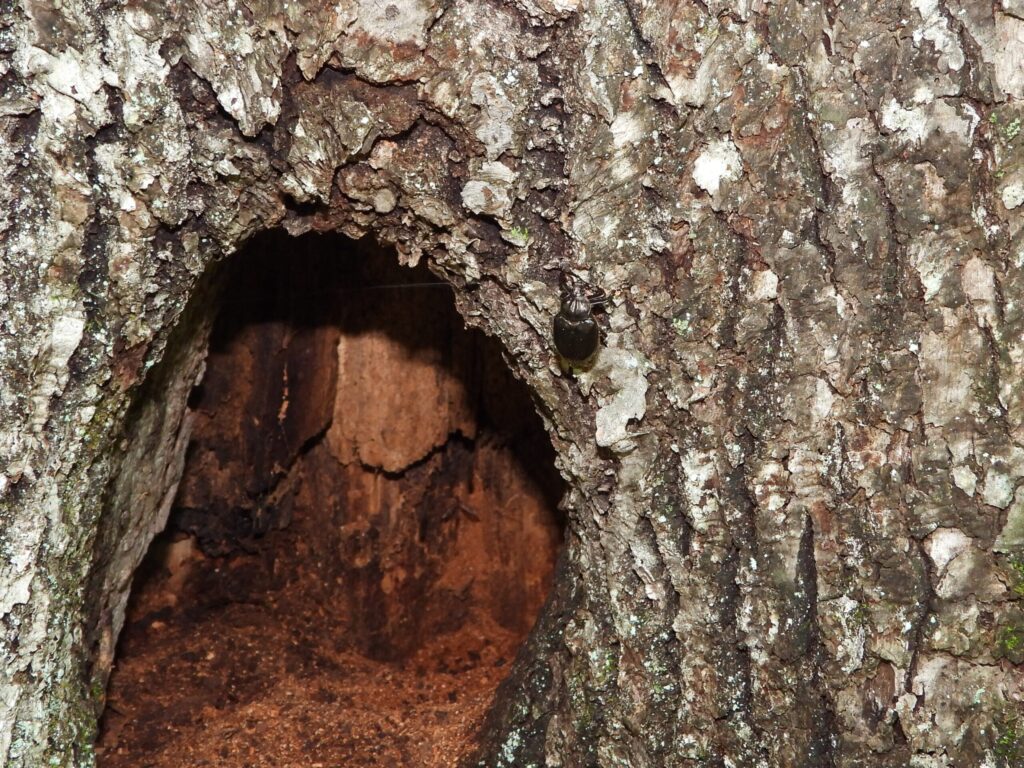
Most importantly, it depends on forests that contain old trees with natural hollows.
These hollows provide shelter and also serve as breeding sites.
Behavior
Adults rarely appear in open places.
Instead, they stay close to or inside tree hollows, which makes encounters uncommon.
As a result, observers usually notice adults only during summer.
Diet
Larvae develop inside tree hollows and feed on decayed organic material.
In contrast, researchers have not clearly documented the feeding behavior of adults.
Reproduction
Females reproduce in close association with hollow trees.
Larvae then grow inside cavities where stable conditions support their development.
Consequently, limited availability of suitable trees naturally scatters local populations.
Conservation
In Japan, Osmoderma opicum is listed as Near Threatened (NT).
Today, the main concern involves the loss of old trees with hollows due to forest management and tree removal.
Author’s Impression
This species ranks among the most difficult scarab beetles to encounter in Japan.
Its limited habitat and close association with tree hollows make it especially hard to find.
Therefore, even experienced insect watchers may never come across this beetle.