Birdwatching in Kyoto – Best Spots and Birds for Travelers
Introduction
When people think of Kyoto, they usually imagine temples, shrines, and historic streets. Wildlife is rarely part of that image. However, birdwatching can be surprisingly accessible within the city.
Kyoto combines riverside paths, large urban green spaces, and forested hills along the edge of the city. Because these environments are close to major sightseeing areas, travelers can enjoy birdwatching without changing their itinerary.
Many visitors feel that they “didn’t see any birds” in Kyoto. In most cases, this is not because birds are absent, but because the right places and times were not considered. This guide explains how birdwatching fits naturally into a visit to Kyoto.
Why Kyoto Works Well for Birdwatching
Kyoto’s landscape brings different habitats together in a compact area. Rivers provide open lines of sight, parks add tree cover and quieter spaces, and nearby hills create more natural forest environments.
Another advantage is accessibility. Many birdwatching-friendly areas can be reached easily by public transportation and on foot, making a car unnecessary for travelers.
Seasonal changes also affect bird activity and visibility. Paying attention to time of day and habitat often makes a noticeable difference in what you can observe.
Birdwatching Habitats in Kyoto
Rivers and Open Areas
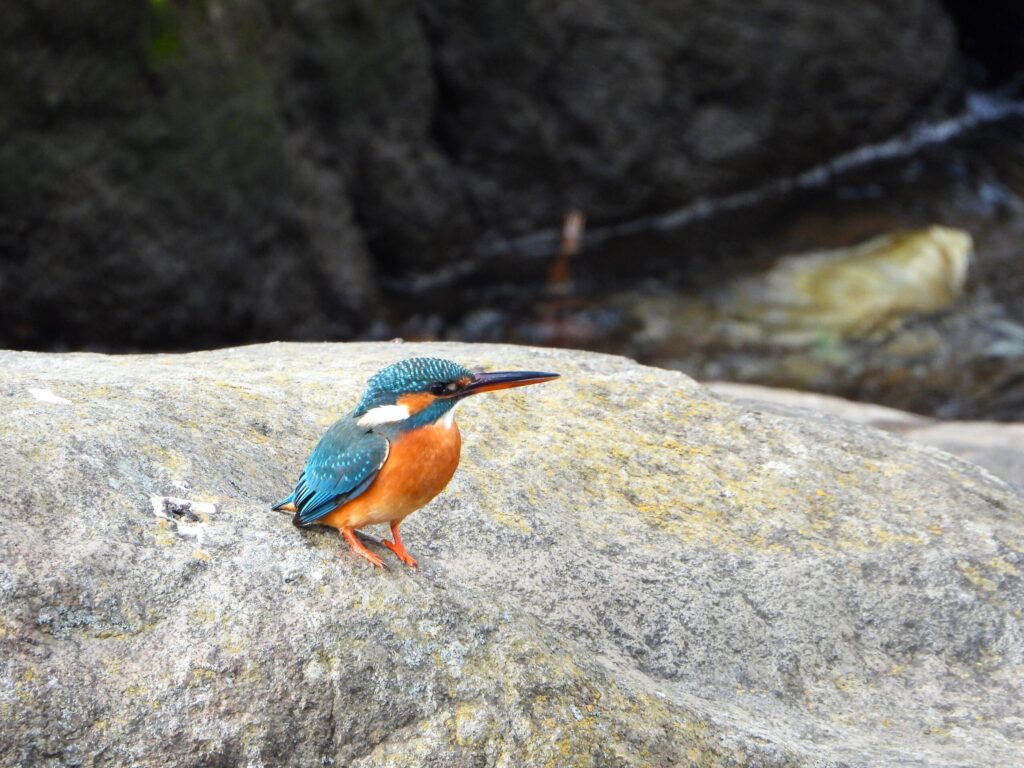
The Kamo River runs through central Kyoto and is well known as a place for walking along the riverbanks.
The Katsura River flows along the western side of the city and represents a broader river environment.
Riversides are often a good starting point for birdwatching because visibility is open and short walks can still be productive, especially during quieter hours.
Parks and Urban Green Spaces
Kyoto Gyoen National Garden is a large national garden surrounding the Kyoto Imperial Palace in the city center.
Large parks like this combine tall trees, open areas, and calmer corners. They are easy to include in a travel day and can be rewarding even during brief visits.
Forested Hills and Temple Grounds
The Higashiyama area lies along the eastern edge of Kyoto, where urban districts meet forested hills.
Temple and shrine grounds in this region often include mature trees and quieter spaces. In these settings, birdwatching can feel more immersive than in busy urban streets.
Birds You Can See in Kyoto
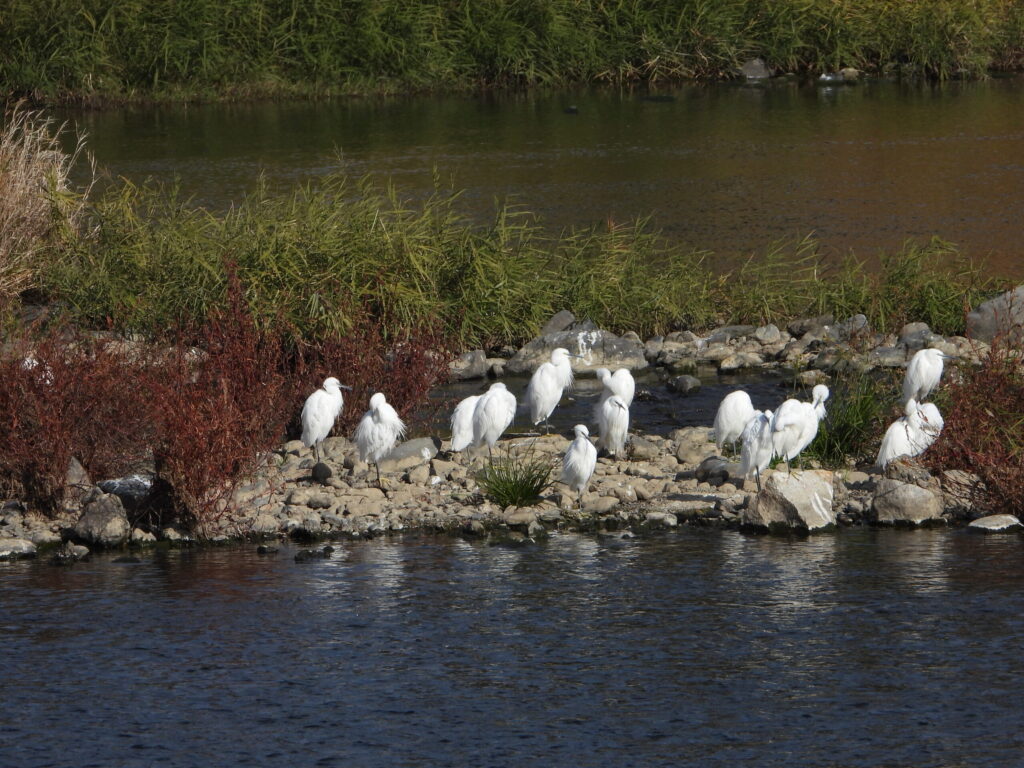
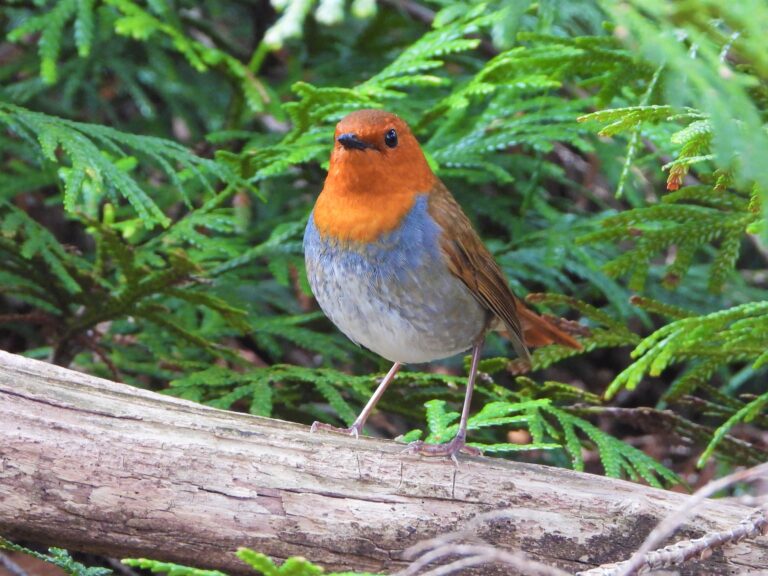
Kyoto’s range of habitats supports many kinds of birds. Rather than focusing on individual species, it is often more useful to think in broad categories: birds commonly seen in urban green spaces, birds associated with rivers, birds of wooded areas, and species that appear mainly during migration seasons.
What you encounter depends on habitat, season, and time of day. Visiting more than one type of environment is an effective way to increase variety.
Best Time for Birdwatching in Kyoto
Time of Day
Early morning is often a productive time for birdwatching. Birds tend to be more active after sunrise, and popular areas are usually quieter.
Late afternoon can also be worthwhile. Midday can be less active, especially during hot weather.
Seasonal Overview
Seasonal changes influence bird behavior and visibility. Many birdwatchers enjoy spring and autumn, when activity can be high and migration may add variety.
Winter can offer good visibility in wooded areas when leaves are reduced. Summer conditions may make birds less noticeable during the hottest hours of the day.
Birdwatching in Kyoto Without a Car
Kyoto is a city where birdwatching can be enjoyed comfortably without a car. Rivers, parks, and temple areas are often accessible by train, bus, and walking.
This allows birdwatching to be treated as a flexible addition to sightseeing. Even short sessions between attractions can be rewarding.
Birdwatching Etiquette in Kyoto
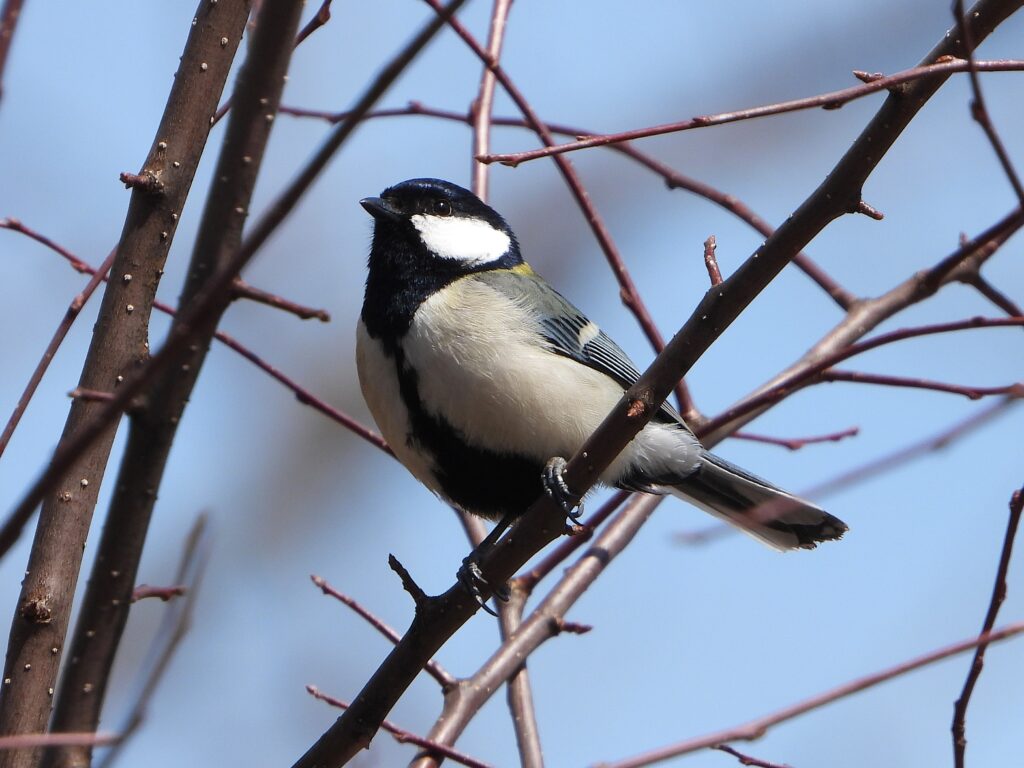
Many birdwatching areas in Kyoto are shared with worshippers, residents, and tourists. Respectful behavior is essential.
Keep voices low, avoid sudden movements, and do not use flash photography. Feeding birds is discouraged, and posted rules or restricted areas at temples and shrines should always be respected.
Quiet observation helps protect both the birds and Kyoto’s calm atmosphere.
Is Kyoto Good for Beginner Birdwatchers?
Yes. Kyoto can be beginner-friendly because birds can often be found in accessible places such as riversides and large parks.
Specialized equipment is not necessary. Simply choosing a good time of day and focusing on the right habitat can make a clear difference.
Conclusion
Kyoto offers more than historic scenery and cultural landmarks. With rivers, large parks, and forested hills close to the city, it can also be a rewarding place to enjoy birdwatching.
By understanding where to look and when to observe, travelers can discover a quieter, more natural side of Kyoto alongside its famous sights.
Related Guides
For a broader overview of animals you can encounter in this city:
→ Wildlife in Kyoto
This article is part of our urban wildlife series. For an overview of wildlife you can realistically see near major Japanese cities:
→ Wildlife You Can See Around Japanese Cities