Japanese Keelback (Hebius vibakari) – Wildlife of Japan
Introduction
The Japanese keelback (Hebius vibakari), known in Japan as hibakari, is a small, non-venomous snake commonly found in wet environments such as rice fields, ponds, and grassy watersides.
Despite its intimidating name, it is harmless to humans. The name hibakari is often explained as meaning “a bite that kills within a day,” but this is only a traditional belief and not true.
For travelers and wildlife watchers, it is one of the small, easy-to-miss snakes that quietly represents Japan’s countryside nature.
Explore Japan’s native snake species, regional differences, and safety information in the complete guide below.
▶ Snakes in Japan: Native Species, Regions & Safety
Appearance
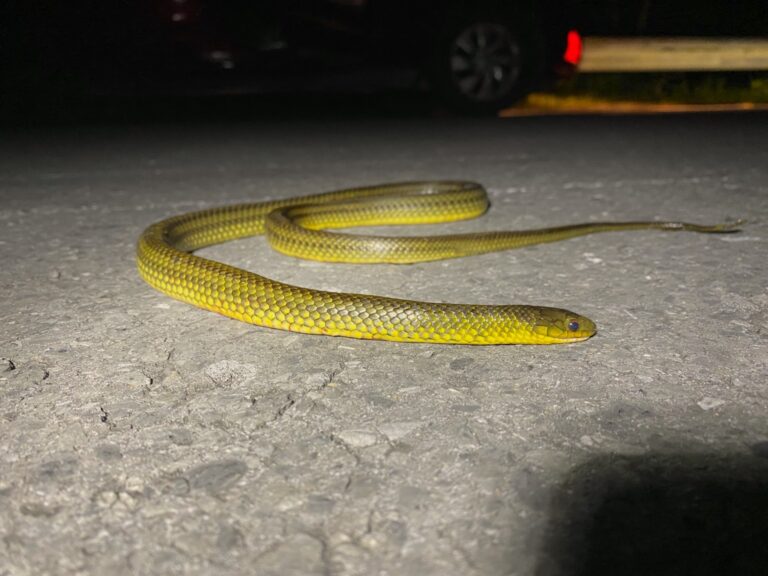
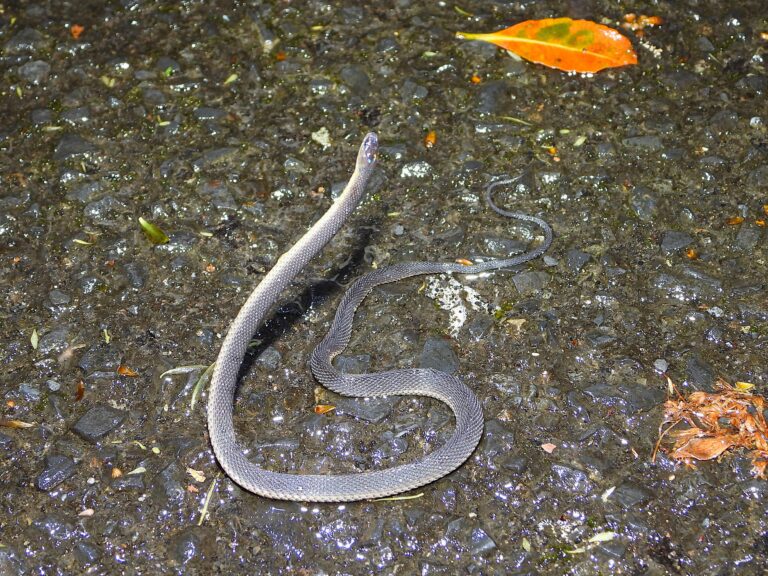
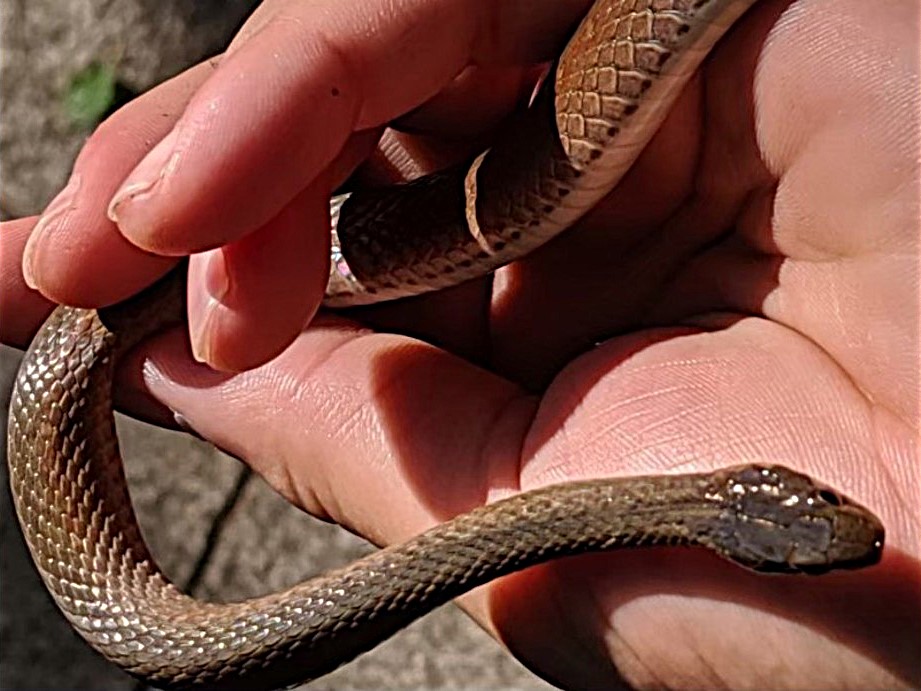
The Japanese keelback is a small and slender snake, typically measuring 40–60 cm (16–24 inches) in length.
Its body is usually brown, helping it blend into soil and vegetation. One of the most useful identification features is a pale, collar-like marking that runs from the corners of the mouth toward the neck.
The underside is light-colored, often cream or pale yellow, sometimes with small dark markings along the edges. Its scales are keeled, giving it a slightly rough texture rather than a smooth, glossy appearance.
Habitat & Distribution
This species is widely found across Honshu, Shikoku, and Kyushu, and also occurs in parts of Korea, northeastern China, and the Russian Far East.
It prefers wet habitats, especially:
Rice paddies
Pond edges
Irrigation channels
Marshy grasslands
If you are exploring rural Japan or walking near water, this is one of the snakes you are most likely to encounter.
Behavior
The Japanese keelback is closely associated with water and is a good swimmer. It often moves along shallow water edges and may quickly slip into the water when disturbed.
It is generally calm and avoids confrontation. If threatened, it may twist its body and flatten its neck slightly as a defensive display, but it does not pose a danger to people.
Like many snakes in Japan, it becomes inactive and hibernates during winter.
Diet
This snake feeds mainly on small animals found in wet environments, including:
Frogs
Tadpoles
Small fish
Earthworms
Because of this diet, it is strongly tied to healthy waterside ecosystems. Areas rich in amphibians are especially good places for this species.
Reproduction
The Japanese keelback is an egg-laying species.
Mating season: May to June
Egg-laying: July to August
Females typically lay 4–10 eggs in sheltered locations on land, such as under vegetation or in soft soil.
Conservation
Globally, the Japanese keelback is classified as Least Concern (LC). However, its status can vary locally.
In some urban areas, including Tokyo, it is considered Vulnerable due to the loss of wetlands and traditional rice field environments.
This makes it a good example of a species that is still common overall but declining in certain regions.
Author’s Impression
The Japanese keelback is not a large or dramatic snake, but it perfectly represents a quieter side of Japan’s nature.
You are most likely to find it in places that many visitors overlook—along a narrow irrigation ditch, at the edge of a rice field, or near a still pond filled with frog calls.
It is also a good reminder that not all snakes in Japan are dangerous. Some, like this one, are small, calm, and deeply connected to everyday rural landscapes.