Wildlife in Osaka: What Animals You Can See & Best Places
Introduction
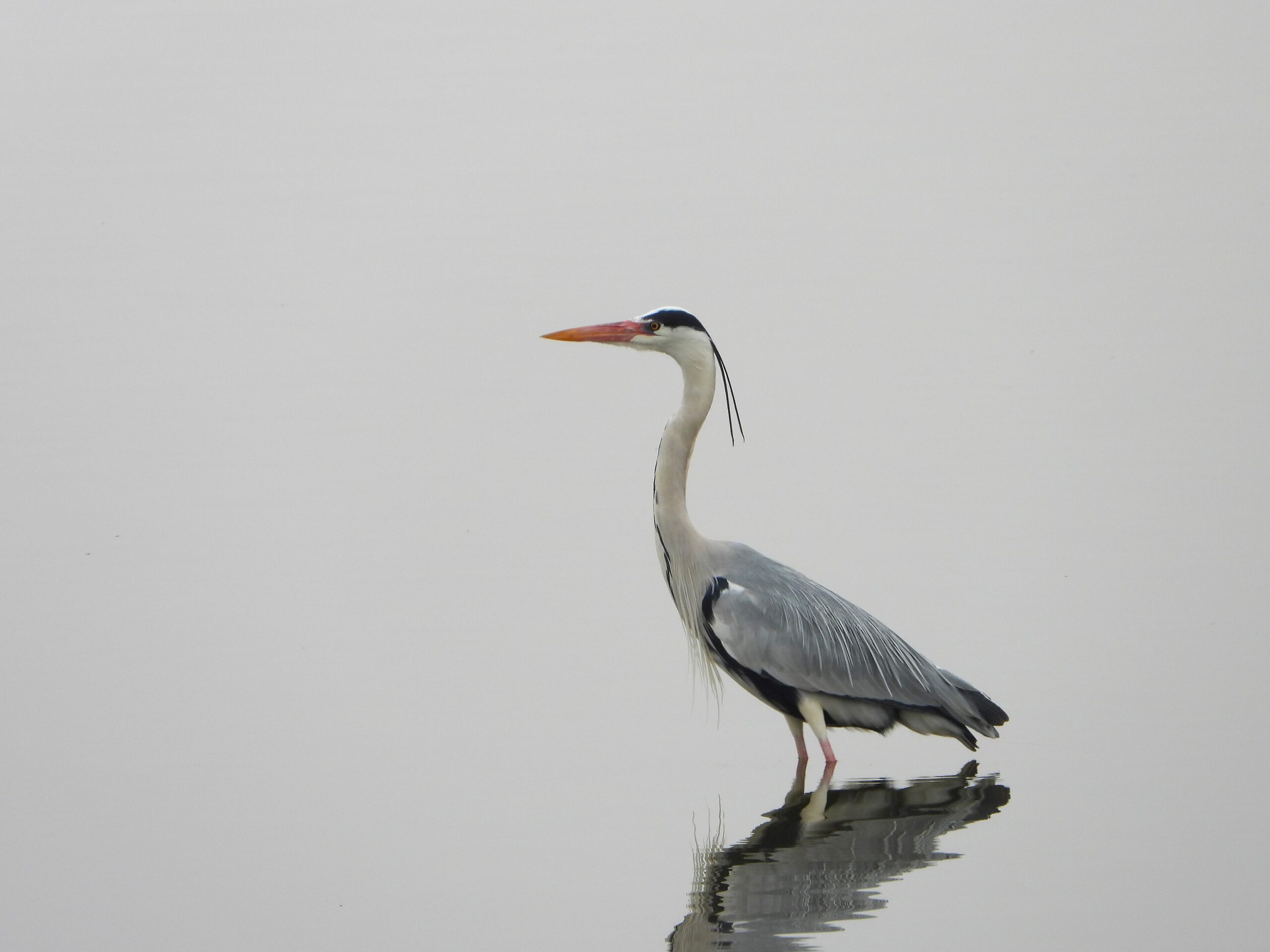
Osaka is best known for its food, nightlife, and dense urban landscape, but there are also several good places to see wildlife within the city and around its outskirts.
Large parks, the Yodo River, coastal areas along Osaka Bay, and the forested hills around Minoo provide habitat for birds, mammals, reptiles, amphibians, and insects. Birds are the easiest wildlife to observe, while mammals are generally much more difficult to encounter.
This guide focuses on what wildlife you can see in Osaka and the best places to look for it, from accessible city parks to more natural forest environments outside the urban center.
If birds are your main interest, see our dedicated guide:
▶ Osaka Birdwatching: Best Urban Nature Spots
What Wildlife Can You See in Osaka?
Osaka supports a wider variety of wildlife than many visitors expect. The species you are likely to encounter depend heavily on whether you stay in the city center, visit rivers and coastal areas, or travel to the forested outskirts.
Birds
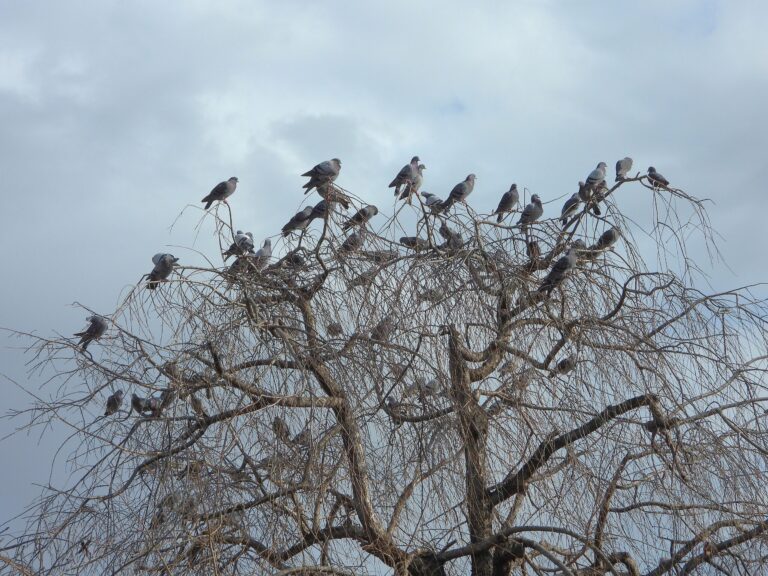
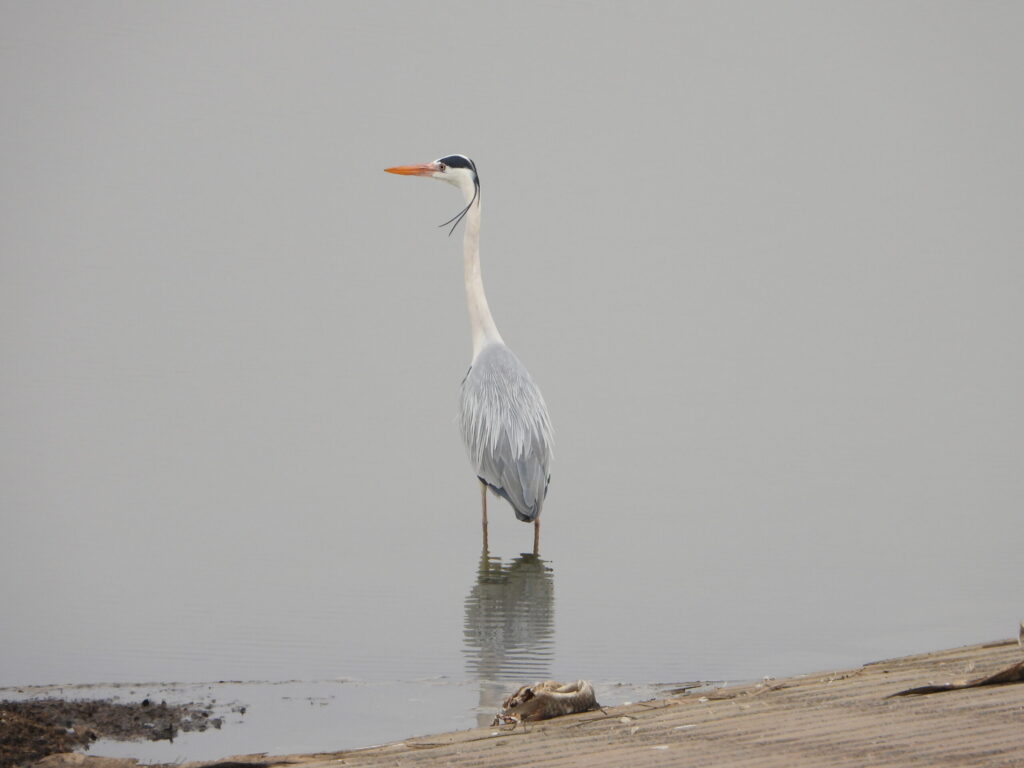
Birds are the easiest wildlife to see in Osaka.
Common groups include:
- Herons and egrets
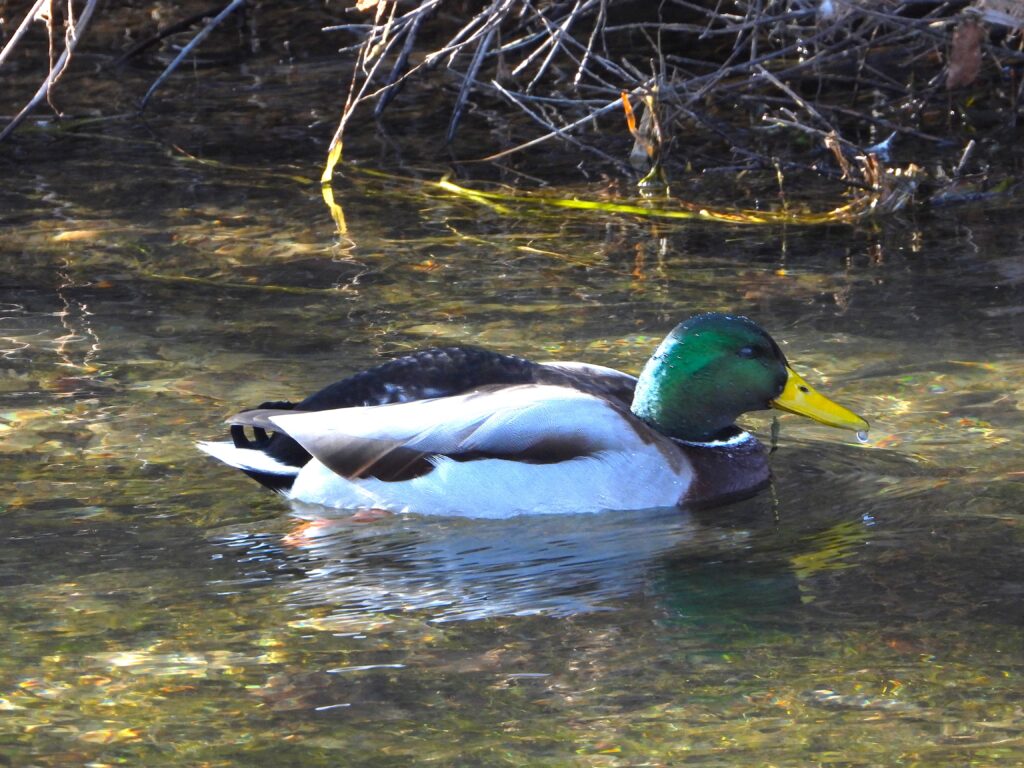
- Ducks and other waterbirds
- Kingfishers
- Crows and urban birds
- Migratory shorebirds around Osaka Bay
The Yodo River and coastal areas around Osaka Bay are especially important habitats for waterbirds and migratory species.
Mammals
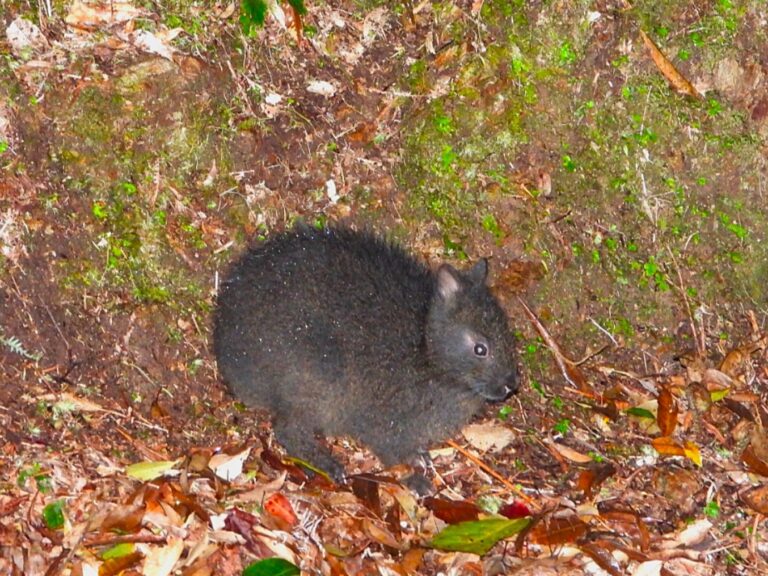
Wild mammals are much harder to see, but several species live in Osaka Prefecture.
These include:
- Sika deer
- Wild boar
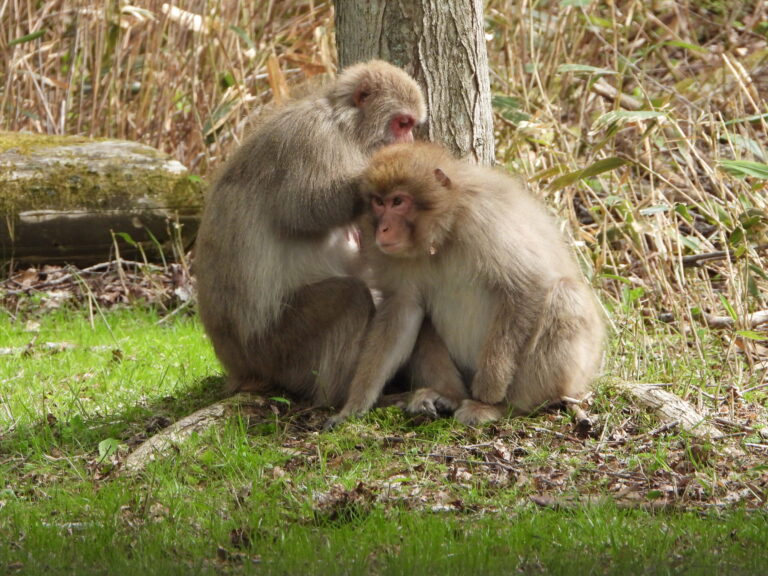
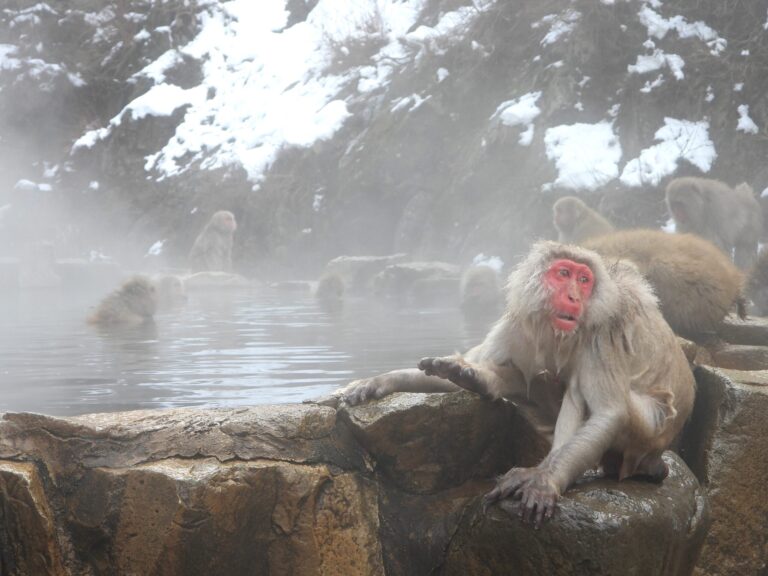
- Japanese macaques
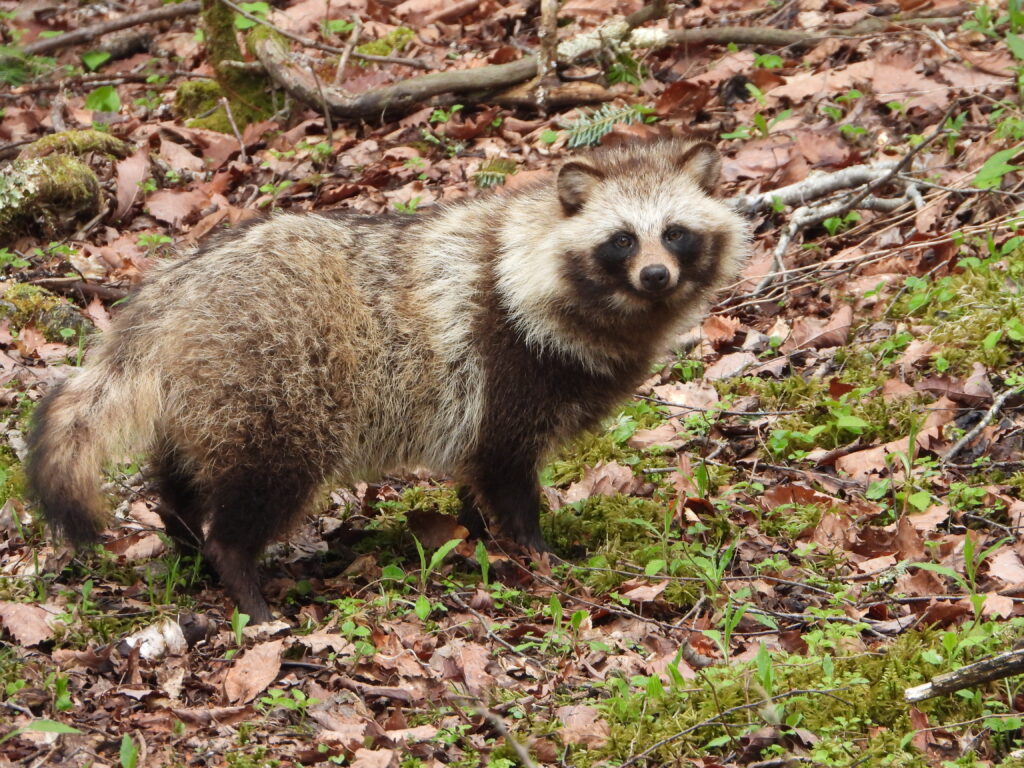
- Smaller urban mammals
Deer are mainly associated with the forested areas of northern Osaka, while macaques are particularly well known around the Minoo area. These animals should never be considered guaranteed sightings.
Reptiles, Amphibians & Insects
Osaka’s parks, rivers, and forests also support reptiles, amphibians, and a wide range of insects.
Minoo Park is especially rich in smaller wildlife, with thousands of recorded insects as well as birds, amphibians, reptiles, and fish.
Why Osaka Still Has Wildlife
Osaka is heavily urbanized, but wildlife habitat still remains throughout the region.
Rivers such as the Yodo River form long natural corridors through the metropolitan area, while large parks provide pockets of trees and water within the city. Along Osaka Bay, coastal habitats support waterbirds and migratory species.
Travel farther from central Osaka, and the landscape becomes much greener. Forested areas around Minoo and the northern outskirts provide habitat for wildlife that is rarely seen in the city center.
Together, these rivers, parks, coastal areas, and forests allow wildlife to survive surprisingly close to one of Japan’s largest cities.
Best Places to See Wildlife in Osaka
The best wildlife spots in Osaka range from large city parks to rivers, tidal flats, and forested valleys. Birds are the easiest animals to observe, while mammals are more likely in the quieter outskirts.
Osaka Castle Park
Osaka Castle Park is one of the easiest places to combine sightseeing with wildlife watching in central Osaka.
The park covers more than 100 hectares and includes wooded areas, lawns, and large moats. It is especially good for birds. The Ministry of the Environment notes that species such as Japanese Pygmy Woodpeckers, Japanese Tits, White-eyes, and Greenfinches can be seen year-round, while ducks and other winter birds gather around the moats. Spring and autumn also bring migrating forest birds.
Wildlife you may see includes:
- Woodpeckers and other forest birds
- Ducks
- Herons
- Winter thrushes
- Migrating birds in spring and autumn
Best for: easy urban birdwatching combined with sightseeing.
Yodo River
The Yodo River provides one of the largest continuous natural corridors through the Osaka metropolitan area.
Wide riverbanks, open water, grassland, and wetland vegetation create habitat for waterbirds and other riverside wildlife. The river mouth also supports tidal flats and brackish-water habitats used by many bird species.
Wildlife you may see includes:
- Herons and egrets
- Ducks
- Kingfishers
- Raptors
- Other riverside and wetland birds
The exact wildlife varies by section, so the Yodo River is better treated as a large habitat corridor rather than a single observation point.
Best for: riverside birds and open-habitat wildlife.
Osaka Nanko Bird Sanctuary
For dedicated birdwatching, the Osaka Nanko Bird Sanctuary is one of the strongest wildlife spots in the city.
Its artificial tidal flats and wetlands attract around 150 bird species over the course of a year. Migratory shorebirds such as sandpipers and plovers use the area as a stopover during their long seasonal journeys. An observation tower overlooks the tidal flats and makes wildlife watching possible without entering sensitive habitat.
Wildlife you may see includes:
- Sandpipers and plovers
- Ducks
- Herons and egrets
- Other migratory waterbirds
Best for: serious birdwatchers and migratory shorebirds.
Minoo Park
Minoo Park offers a very different experience from central Osaka. Its forested valley, streams, and mountain slopes create one of the most natural environments easily accessible from the city.
The park is known for its rich insect life and forest birds, and wild Japanese macaques also live in the surrounding area. The official park rules specifically warn visitors not to approach or feed monkeys.
Wildlife you may encounter includes:
- Japanese macaques
- Forest birds
- Amphibians
- Reptiles
- Insects
Monkey sightings are not guaranteed, and visitors should never approach or feed them.
Best for: forest wildlife and travelers who want a more natural experience outside central Osaka.
▶ Osaka Birdwatching: Best Urban Nature Spots
Best Time to See Wildlife in Osaka
Wildlife can be seen in Osaka throughout the year, but the best season depends on what you want to observe.
Spring
Spring is one of the best seasons for birdwatching. Migratory birds pass through urban parks and coastal areas, while forest birds become more active around places such as Minoo.
At Osaka Nanko Bird Sanctuary, shorebirds including sandpipers and plovers are especially noticeable from April to May.
Summer
Summer is best for insects, reptiles, amphibians, and other small wildlife.
Minoo’s forests become particularly active with insects, and Osaka Nanko Bird Sanctuary also supports crabs and other tidal-flat wildlife during the warmer months.
Autumn
Autumn is another excellent season for migratory birds. Shorebirds return to Osaka Bay during their southbound migration, especially from August to October.
Winter
Winter is especially good for ducks and other waterbirds around ponds, rivers, and coastal wetlands.
Osaka Nanko Bird Sanctuary hosts many wintering ducks, making this one of the easiest seasons for beginners to find visible wildlife.
Best Time of Day
Early morning is generally the best time for birdwatching, when parks and rivers are quieter and birds are more active.
For mammals in forested areas such as Minoo, early morning and late afternoon can offer better chances than the middle of the day, although sightings are never guaranteed.
Wildlife Watching Rules and Safety in Osaka
Most wildlife watching in Osaka is low-risk, especially in urban parks, rivers, and coastal areas. Even so, wild animals should always be observed from a respectful distance.
Keep these basic rules in mind:
- Never feed wild animals
- Do not approach or chase wildlife
- Keep noise and sudden movements to a minimum
- Stay on public paths and respect restricted areas
- Do not block trails or disturb other visitors
- Take all trash with you
Be Careful Around Monkeys in Minoo
Wild Japanese macaques live around Minoo. Visitors should not approach or feed them.
Minoo Park specifically warns visitors not to get close to monkeys or give them food, and feeding can result in a fine under local regulations. Food and belongings should also be kept secure.
Wildlife in Mountain Areas
If you travel into forested or mountainous parts of Osaka Prefecture, be more cautious than you would in a city park.
Wild boar occur in the region, and occasional Asiatic black bear sightings have also been reported in Osaka Prefecture. The prefectural government notes that bears are not considered permanently established in Osaka’s forests, but individuals from neighboring areas can temporarily enter the prefecture.
For general wildlife-watching etiquette across Japan:
▶ Wildlife Watching in Japan: Rules, Etiquette, and Safety Tips
Is Osaka Good for Wildlife Watching?
Osaka is not one of Japan’s top destinations for large wild mammals, but it can still be a rewarding place for wildlife watching, especially for birds.
If you are staying in central Osaka, places such as Osaka Castle Park, the Yodo River, and Osaka Nanko Bird Sanctuary offer easy opportunities to observe wildlife without making a long trip.
For a more natural experience, Minoo is the better choice, with forest habitat and a wider variety of wildlife than the city center.
Osaka is therefore best for travelers who want to combine sightseeing with accessible wildlife watching, rather than those planning a trip specifically around rare mammals.
Related Wildlife Guides
▶ Osaka Birdwatching: Best Urban Nature Spots
▶ Wildlife in Japan: Best Places to See Wild Animals
▶ Wildlife You Can See Around Japanese Cities
▶ Wildlife Near Train Stations in Japan
▶ Wildlife Watching in Japan: Rules, Etiquette, and Safety Tips