Kuchiba-suzume (Marumba sperchius) – Wildlife of Japan
Introduction
Kuchiba-suzume is a large hawk moth species found in Japan.
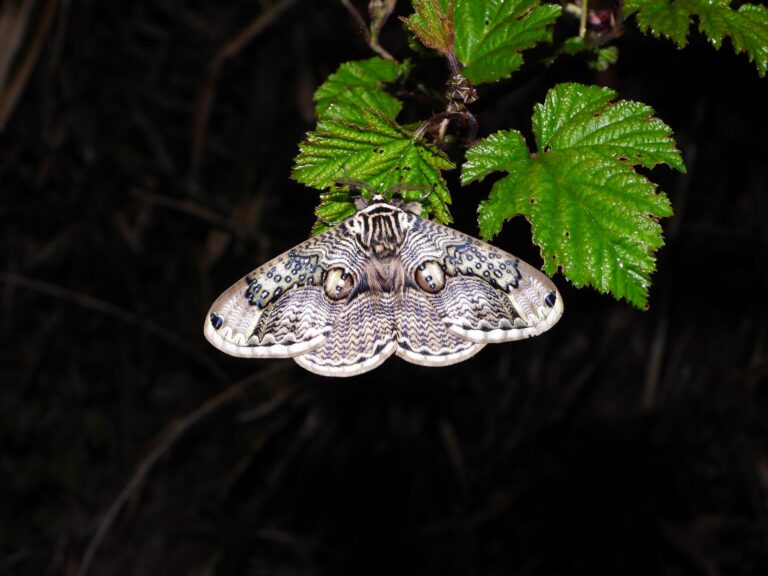
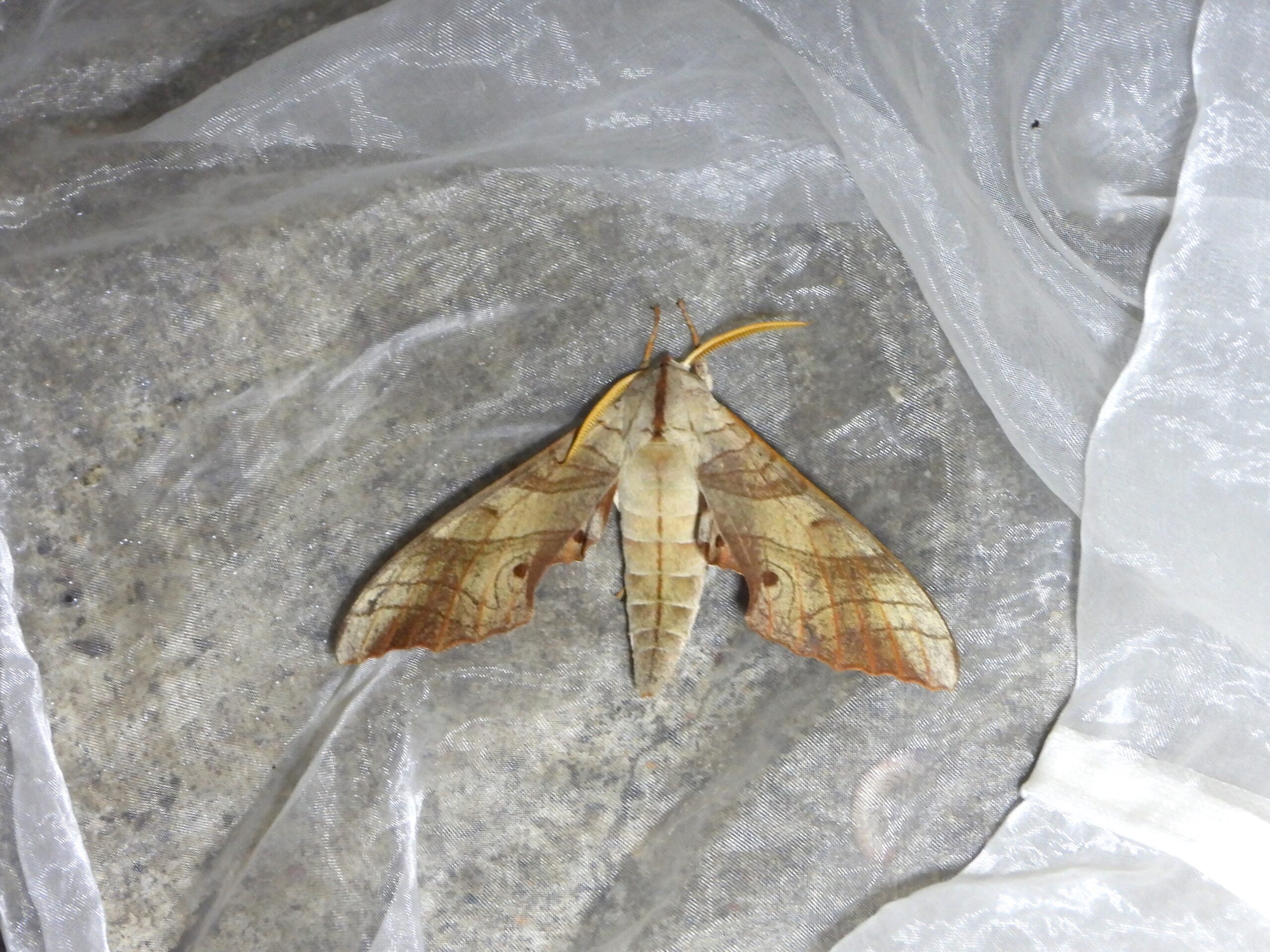
Its scientific name is Marumba sperchius. The species is known for its dead-leaf–like wing pattern, which provides effective camouflage in forested environments.
Appearance
Adults are large and robust, with forewings marked by layered brown to grayish-brown lines that resemble dried leaves.
The wingspan is typically about 95–115 mm, making this species one of the larger hawk moths recorded in Japan.
Habitat & Distribution
Kuchiba-suzume has been recorded across a wide range of Japan, including Hokkaido, Honshu, Shikoku, Kyushu, Tsushima, Tanegashima, Yakushima, and Okinawa Island.
It is primarily associated with forested areas and surrounding habitats where suitable larval host plants are present.
Behavior
Adults are nocturnal and active at night.
In some regions, adult appearances have been reported to concentrate during specific seasonal periods.
Because behavior such as attraction to artificial light can vary by location, this article avoids strong generalizations and focuses only on confirmed records.
Diet
The caterpillars are known to feed on trees in the beech family (Fagaceae).
Recorded host plants in Japan include oak-related species such as Quercus spp., including Abemaki oak, Arakashi, and Konara oak.
Reproduction
Eggs are laid on suitable host plants, where larvae develop before pupating and emerging as adults.
In some regions of Japan, multiple adult emergence periods within a year have been recorded, although the number of generations varies depending on local environmental conditions.
Conservation
Kuchiba-suzume is not currently listed under a specific threatened category in Japan.
As a species associated with forest ecosystems, the maintenance of healthy woodland habitats is important for its continued presence.
Author’s Impression
Kuchiba-suzume leaves a strong impression due to its large size and subdued coloration.
When at rest, its leaf-like wing pattern blends remarkably well into the surrounding environment, making it easy to overlook despite its size.