Little Egret (Egretta garzetta) – Wildlife of Japan
Introduction
The Little Egret is one of the most familiar white herons in Japan, commonly seen along rivers, ponds, canals, tidal flats, and rice paddies. Although it may appear plain at first glance, closer observation reveals a highly active and precise hunter. Its quick steps, sudden pauses, and sharp strikes give it a noticeably energetic character compared with larger egret species.
In Japan, the Little Egret is often treated as a resident bird, but banding studies show that at least some individuals move seasonally and may travel long distances between breeding and wintering areas. This makes it a species with both resident and migratory elements rather than a strictly sedentary one.
Appearance
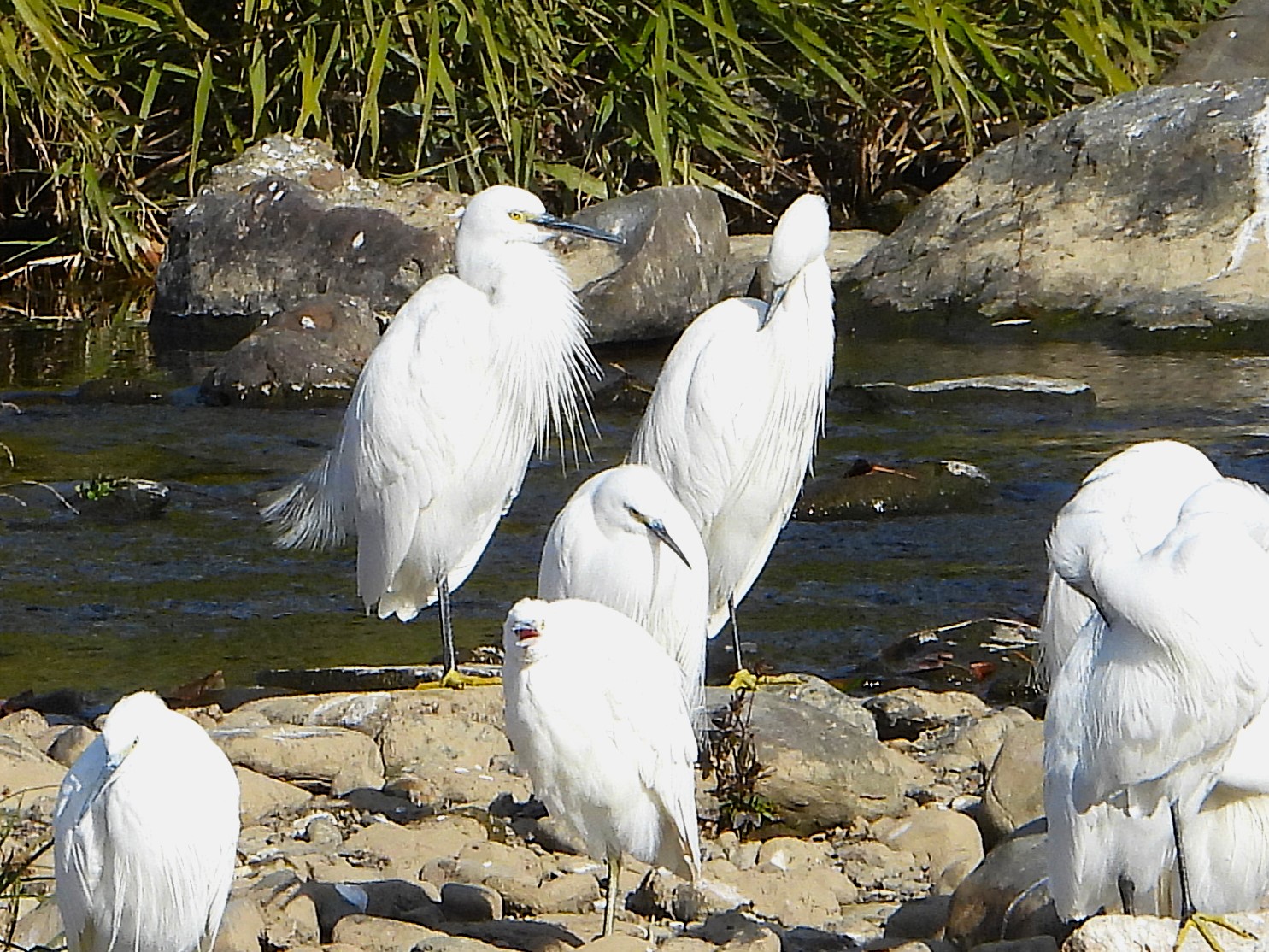
The Little Egret is a small, slender heron with entirely white plumage. The bill is thin and black, and the legs are long and black. One of the most useful field marks is the yellow feet, which often stand out clearly when the bird walks through shallow water.
During the breeding season, adults develop long ornamental plumes on the head and back, giving them a more elegant and decorative appearance. Outside the breeding season, these plumes are absent, and the bird looks cleaner and simpler in outline.
Habitat & Distribution
In Japan, Little Egrets are closely associated with shallow wetlands and wet edges. Typical habitats include rice fields, irrigation channels, marshes, riverbanks, lake shores, and coastal shallows. They are also well adapted to human-modified environments and are frequently seen in urban waterways and park ponds.
Globally, the species has a wide distribution across parts of Europe, Africa, and Asia. Its ability to exploit a broad range of wetland habitats is one of the reasons for its stable global population.
Behavior
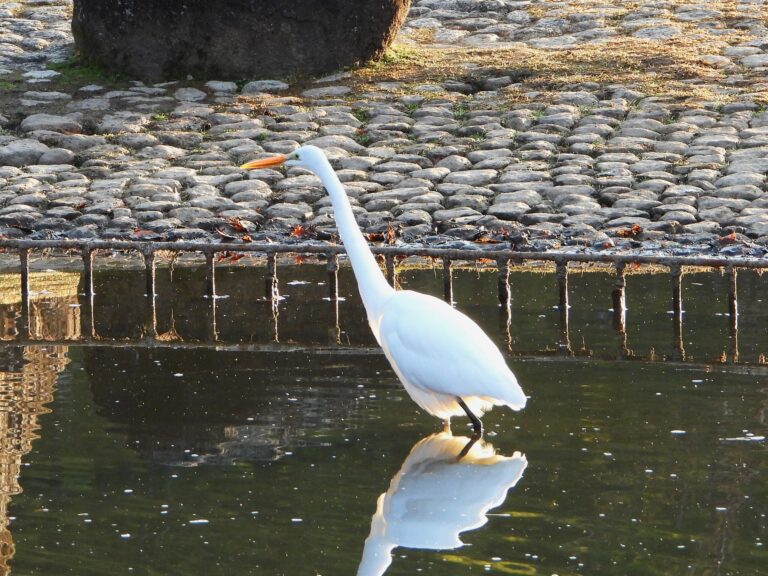
The Little Egret is an active forager. Rather than standing still for long periods, it often walks quickly, stops abruptly, and then strikes at prey. This “walk-and-strike” style makes its feeding behavior easy to recognize in the field.
A well-documented hunting technique is foot-stirring, in which the egret vibrates or shuffles one foot in shallow water to flush hidden prey from the substrate. This behavior is not used constantly, but it is a characteristic strategy observed in many individuals.
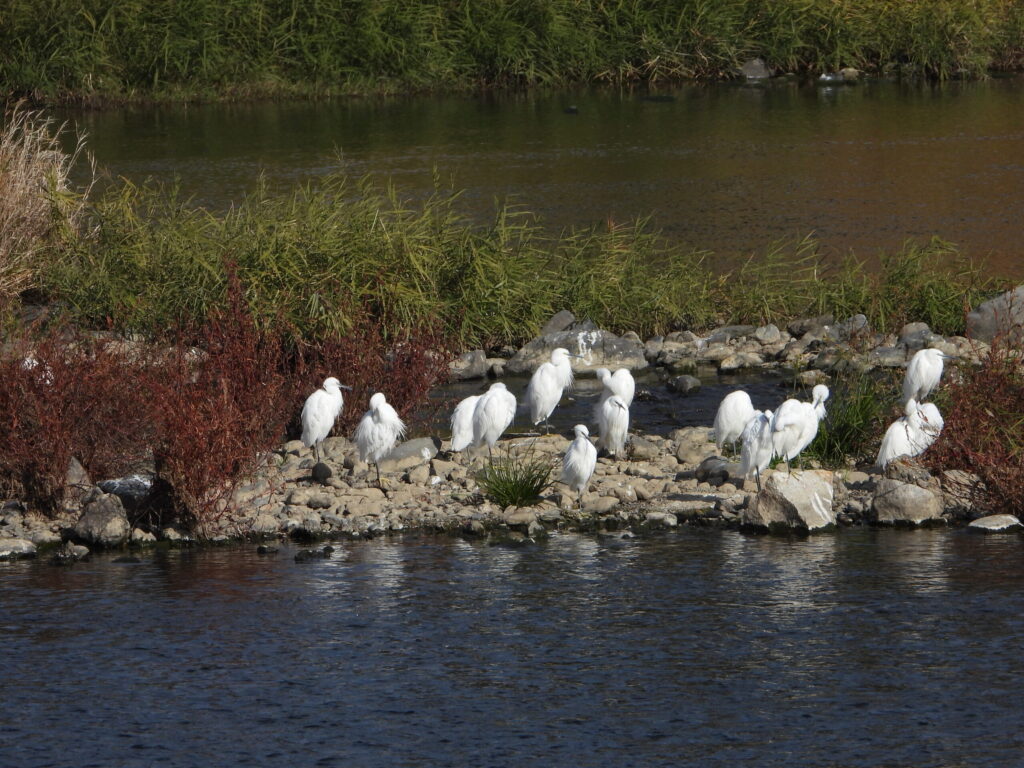
Outside the breeding season, Little Egrets are often solitary or seen in small groups, but they readily gather at productive feeding sites. During breeding, they form colonies, frequently mixed with other herons and egrets.
Diet
The diet of the Little Egret consists mainly of small aquatic animals. Typical prey includes small fish, aquatic insects, crustaceans, and amphibians such as tadpoles and small frogs.
Diet composition varies with habitat and season. Rice paddies, for example, can provide abundant prey when water levels change, while rivers and coastal areas offer different food resources. This flexibility plays a key role in the species’ success across diverse environments.
Reproduction
Little Egrets breed colonially, often at traditional heronries that may be used for many years. Nests are shallow platforms made of sticks, placed in trees, shrubs, or reedbeds depending on local conditions.
Clutch size varies, but most sources describe several eggs per nest rather than a fixed number. Both parents participate in incubation and chick rearing. Long-term studies show that while some individuals return to the same breeding areas in successive years, others shift colony sites, reflecting the dynamic nature of heron breeding systems.
Conservation
At a global scale, the Little Egret is classified as Least Concern. Its wide distribution and large overall population indicate no immediate risk of extinction.
However, local populations can still be affected by habitat degradation. Changes in wetland quality, water pollution, loss of shallow feeding areas, and disturbance near breeding colonies may reduce feeding efficiency or breeding success. Maintaining healthy everyday wetlands—such as rice fields, canals, and marsh edges—is therefore important for the species’ long-term stability.
Author’s Impression
For me, the Little Egret is an essential part of Japan’s waterside scenery. Even an ordinary canal or rice paddy feels more alive when one is present. The bird’s calm appearance contrasts with its intense focus while hunting, and watching its precise movements rewards anyone who takes the time to look closely.