Common Kingfisher (Alcedo atthis) – Wildlife of Japan
Introduction
The Common Kingfisher (Alcedo atthis) is one of Japan’s most iconic freshwater birds. It is small and fast, often appearing as a brief blue flash along rivers, canals, and ponds before disappearing again.
For a broader look at Japan’s birdlife, including common, native, endemic, and seasonal species:
▶ Explore the complete Birds in Japan guide
Appearance
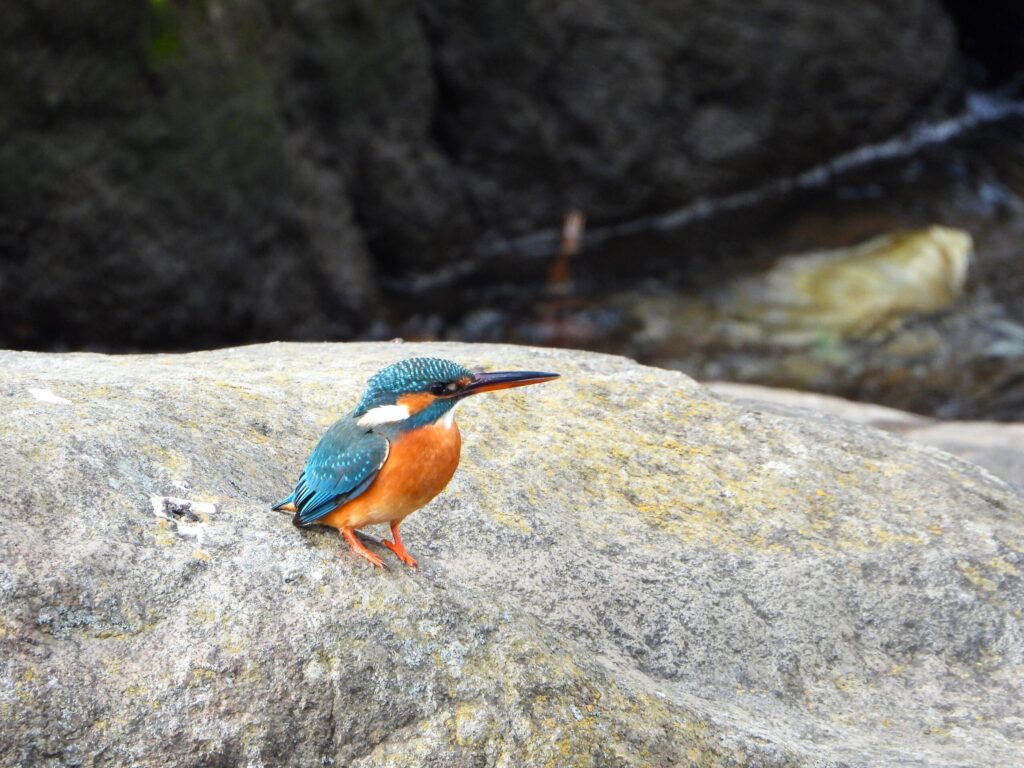
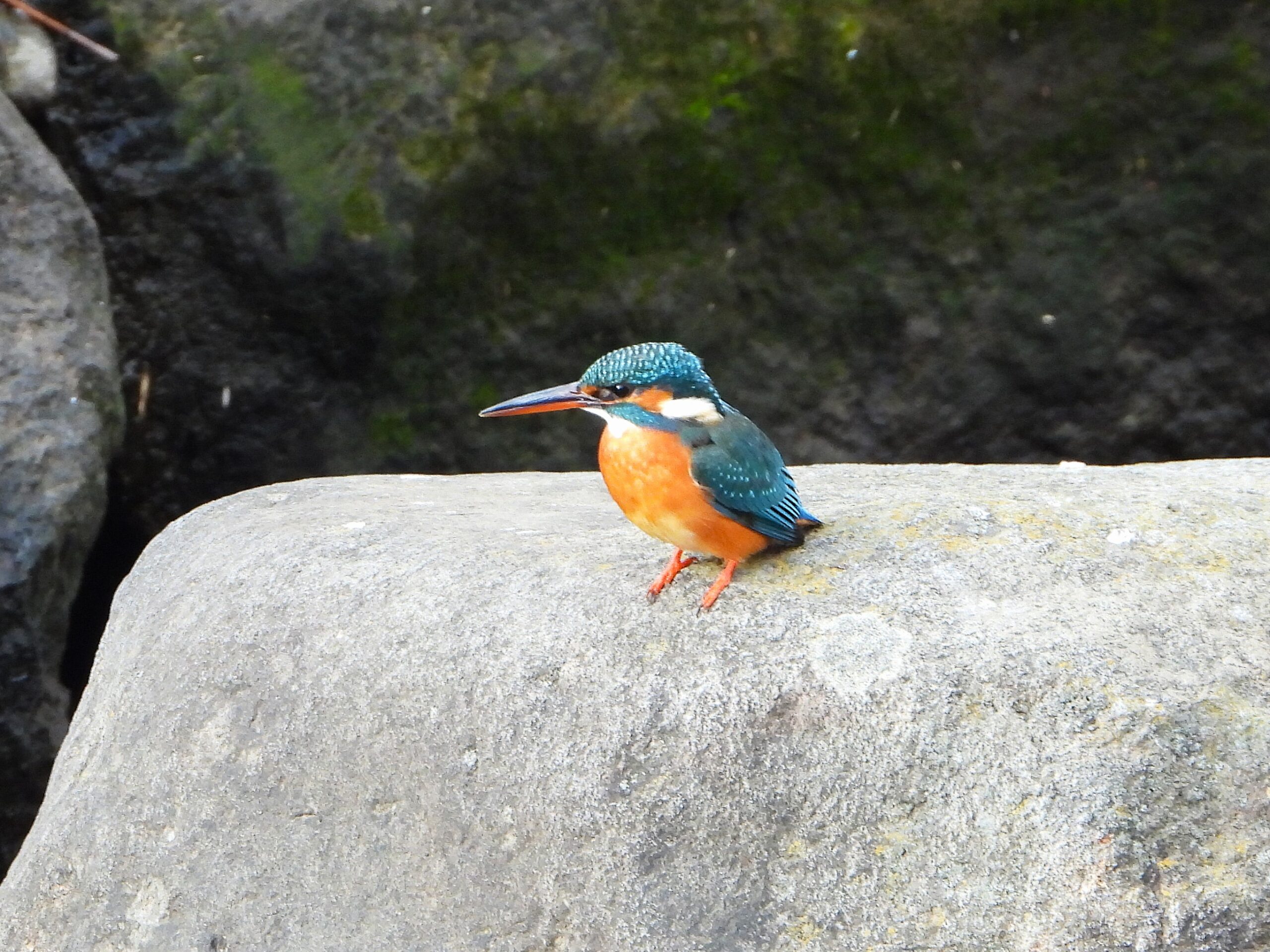
This species has a compact body, a relatively large head, a short tail, and a long, straight bill adapted for catching aquatic prey. The upperparts appear bright blue to blue-green depending on the light, while the underparts are orange to chestnut with a pale throat patch.
Habitat & Distribution
In Japan, the Common Kingfisher is closely associated with freshwater habitats such as rivers, streams, ponds, and lakeshores where small fish are available. It can also use urban waterways if water quality supports prey and suitable perches are present.
In colder areas, it may be harder to observe in winter when water surfaces freeze and hunting conditions become poor.
Where to See in Japan
Look for places with three key features:
- Small fish or other aquatic prey
- Low perches above the water, such as branches, reeds, or railings
- Quiet edges with limited disturbance
Even in cities, careful scanning of low perches along canals and rivers can result in sightings, particularly where water quality and fish populations are improving.
Behavior
Common Kingfishers typically hunt from a perch. They watch the water surface intently and then dive rapidly to seize prey. With patience, repeated hunting attempts from the same favored perch can sometimes be observed.
Diet
They feed mainly on small fish and may also take other small aquatic animals depending on local availability.
Reproduction
The species nests in a tunnel excavated into soft or steep banks near water. In Japan, clutch size is commonly described as 4–7 eggs.
Incubation lasts about 19–21 days.
After hatching, young typically fledge at around 23 days, although this can vary slightly depending on conditions.
Conservation
Globally, the Common Kingfisher is classified as Least Concern.
Local pressures are usually habitat-related, including the loss of natural riverbanks suitable for nesting, reduced prey availability due to water degradation, and disturbance near nest sites.
Author’s Impression
The Common Kingfisher represents the beauty of Japan’s wild birds. Although it is often associated with pristine natural environments, it can sometimes be found along rivers even in urban areas. With patience and careful observation, you may be rewarded by seeing it catch and eat a fish—one of the most memorable moments in birdwatching.