The World’s Northernmost Monkeys Explained
Introduction
Most monkeys live in tropical or subtropical regions, where cold temperatures and snow are rare.
For primates, long and harsh winters are generally considered a natural limit.
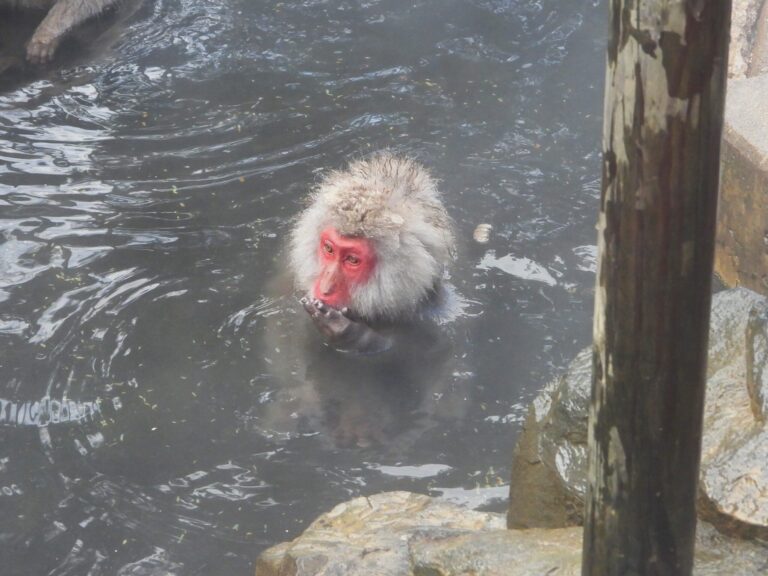
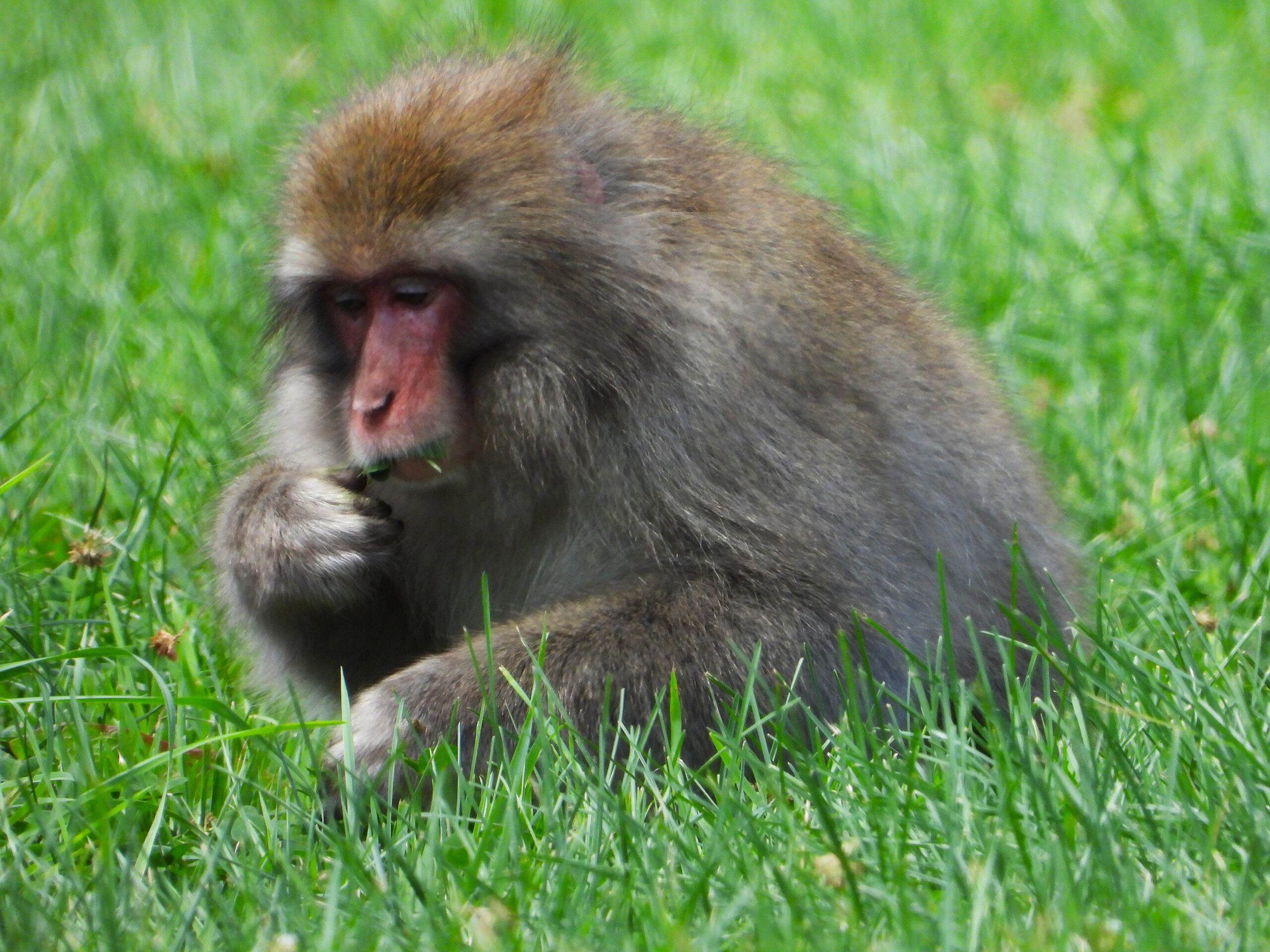
Japanese macaques (Macaca fuscata), however, are a well-known exception.
They are widely recognized as the northernmost-living non-human primates in the world.
No other wild primate naturally lives this far north.
This article focuses on the Shimokita Peninsula in northern Japan, one of the northernmost edges of their natural range, and explains how Japanese macaques survive at the very limits of primate distribution.
What Is the World’s Northernmost Non-Human Primate?
The Japanese macaque (Macaca fuscata) is widely regarded by researchers and wildlife authorities as the northernmost non-human primate species.
Most primates are restricted to Africa, Southeast Asia, and Central or South America, where winters are mild or absent.
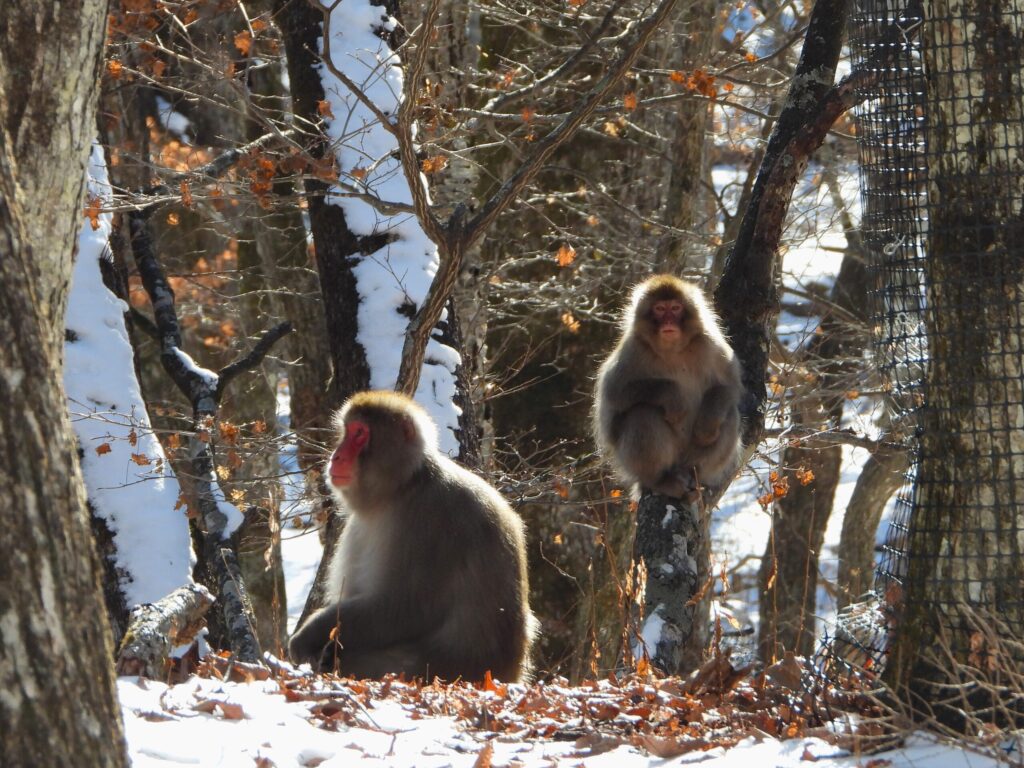
By contrast, Japanese macaques occupy temperate forests that experience cold temperatures and, in some areas, heavy snowfall.
No other wild primate is known to naturally inhabit regions at comparable latitudes.
For this reason, Japanese macaques are often cited as a key example when discussing the environmental limits of primate survival.
Northern Limit of Japanese Macaques in Japan
Within Japan, Japanese macaques are distributed across Honshu, Shikoku, and Kyushu.
Their northern distribution reaches the Shimokita Peninsula, located at approximately 41 degrees north latitude.
This area is widely recognized as representing the northern limit of Japanese macaque distribution.
At similar or higher latitudes elsewhere in the world—such as northern China, Siberia, Europe, or North America—there are no native populations of wild non-human primates.
Because of this, the Shimokita Peninsula holds particular importance in understanding how far primates can extend into cold climates.
Shimokita Peninsula: Northernmost Habitat of Japanese Macaques
The Shimokita Peninsula lies at the northern tip of Honshu and is characterized by forests, rugged terrain, and long winters.
Unlike famous monkey-viewing sites, it has not been heavily developed for wildlife tourism.
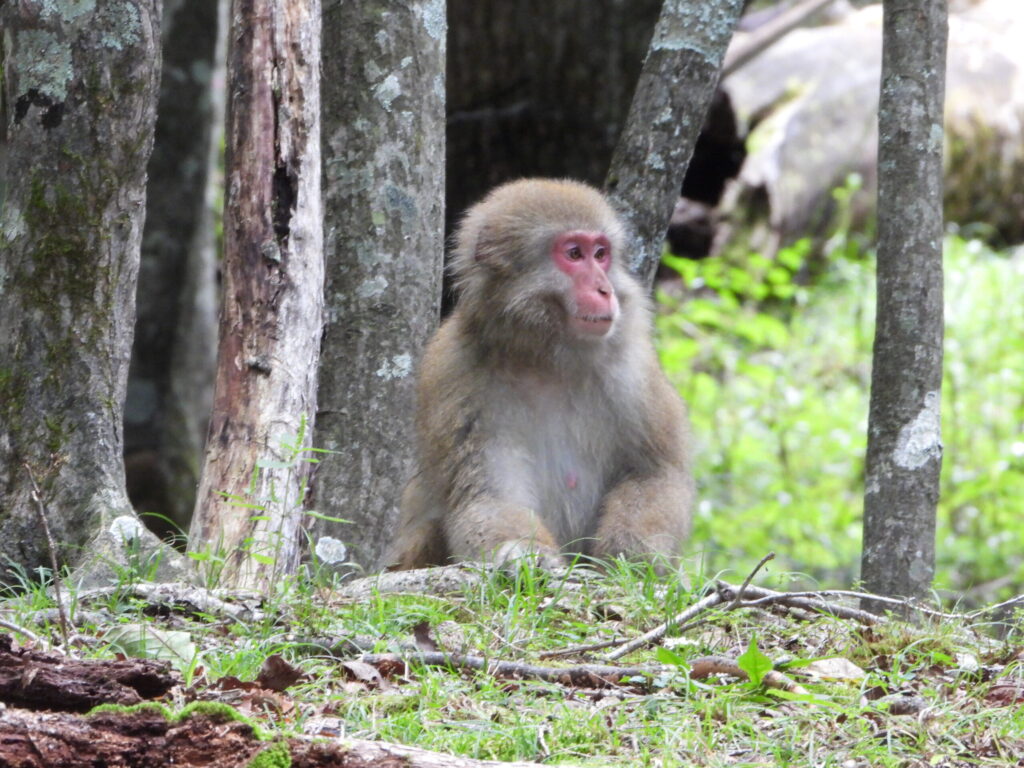
Here, Japanese macaques live in relatively quiet environments, often close to human settlements but largely unmanaged.
They are not artificially fed for viewing, and encounters depend on timing, location, and chance.
Observing macaques in Shimokita offers a very different experience from well-known tourist locations.
It provides a rare opportunity to see how these animals live at the edge of their ecological tolerance, without heavy human intervention.
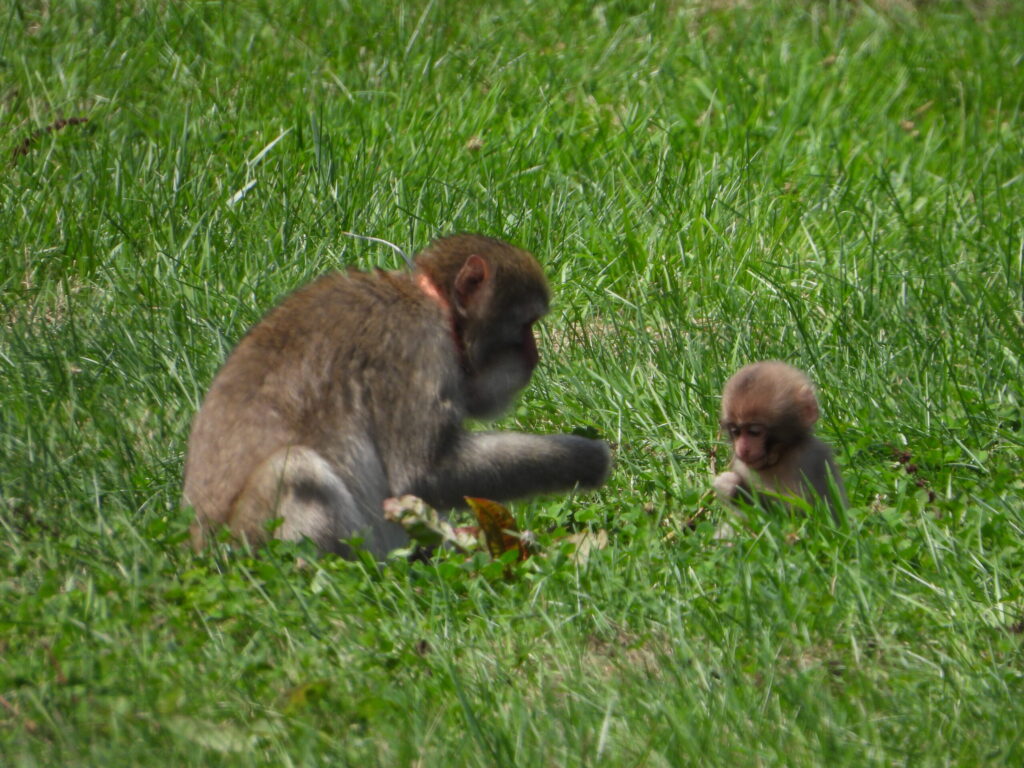
How Can Monkeys Live This Far North?
Japanese macaques possess several traits that allow them to survive in colder regions.
Their thick fur helps insulate them during cold seasons, and they adjust their behavior to reduce energy loss.
They often remain close together in groups and make use of sunlit areas when conditions allow.
Food availability becomes limited during winter, and their diet shifts accordingly.
Rather than relying on a single food source, they are known to consume a wide range of plant materials depending on seasonal availability.
These adaptations do not remove the challenges of winter, but they help explain why Japanese macaques can persist in environments where other primates cannot.
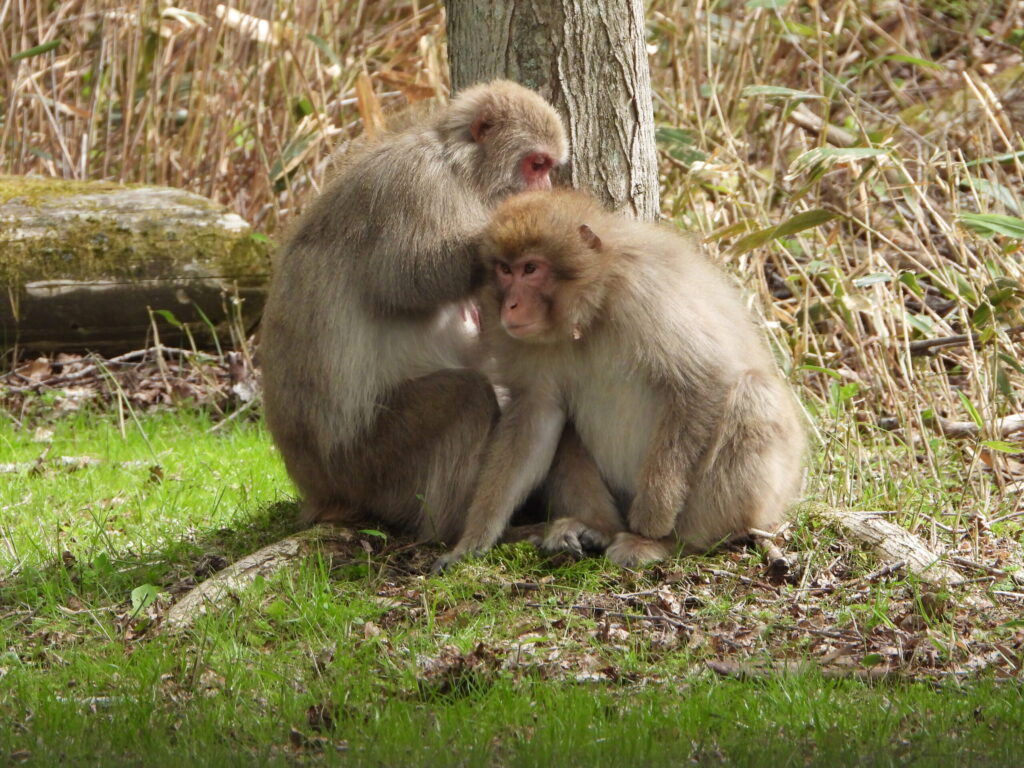
Seasonal Differences at the Northern Edge
During snow-free seasons, macaques in northern Japan can be relatively active within forested habitats.
Movement is less restricted, and a wider variety of food sources is available.
In winter, heavy snowfall dramatically alters the landscape.
It is known that macaques reduce activity and adjust their behavior in response to these harsher conditions.
Although seasonal movement may occur, macaques are known to remain within the same general region throughout the year, even in areas that experience severe winters.
Conservation and Human Interaction
In northern regions such as Shimokita, Japanese macaques sometimes come into contact with human communities.
This can lead to conflict, particularly when food resources are limited.
At the same time, these northern populations are scientifically and ecologically significant.
They provide valuable insight into how primates adapt to cold environments and changing seasonal conditions.
Responsible observation—without feeding or disturbing the animals—is essential to maintaining a balance between people and wildlife.
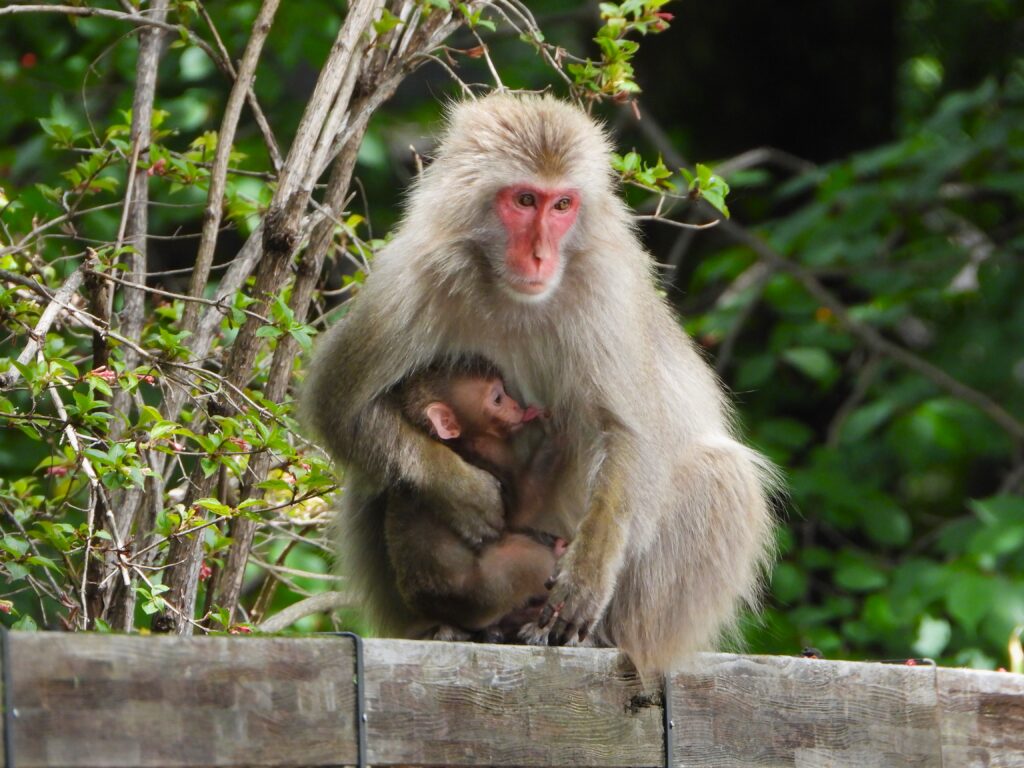
Author’s Impression
I observed Japanese macaques in the Shimokita Peninsula during summer.
Despite living at the northern limit of their range, they appeared calm and well adapted, moving freely through the forest.
Although I did not see snow during my visit, it is known that winters in this region can be severe.
Imagining how these macaques endure such conditions left a strong impression on me.
Excluding humans, they are widely recognized as the northernmost non-human primates in the world.