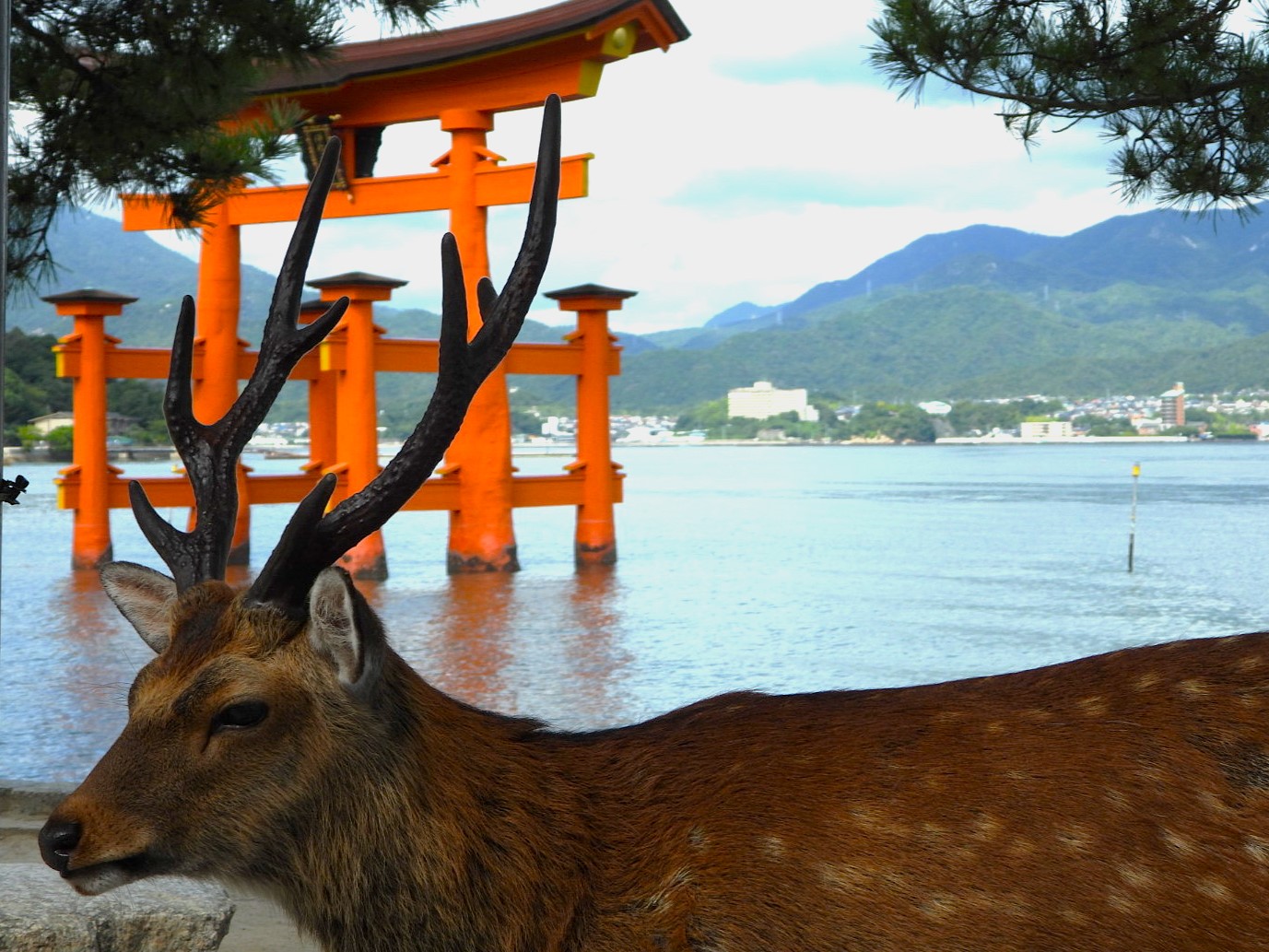
Best Places to See Sika Deer in Japan – Where You Can Actually Find Them
Introduction
Japan is one of the few countries where you can see sika deer (Cervus nippon) in very different ways—sometimes walking calmly near people, and sometimes living as cautious wild animals deep in ancient forests.
This guide focuses on places where you can realistically encounter sika deer, based on real conditions rather than reputation alone. Instead of listing dozens of locations, it highlights five carefully selected spots that represent the full range of deer experiences in Japan, from easy sightings to genuine wildlife observation.
What Kind of Sika Deer Can You See in Japan?
Friendly vs Wild Sika Deer
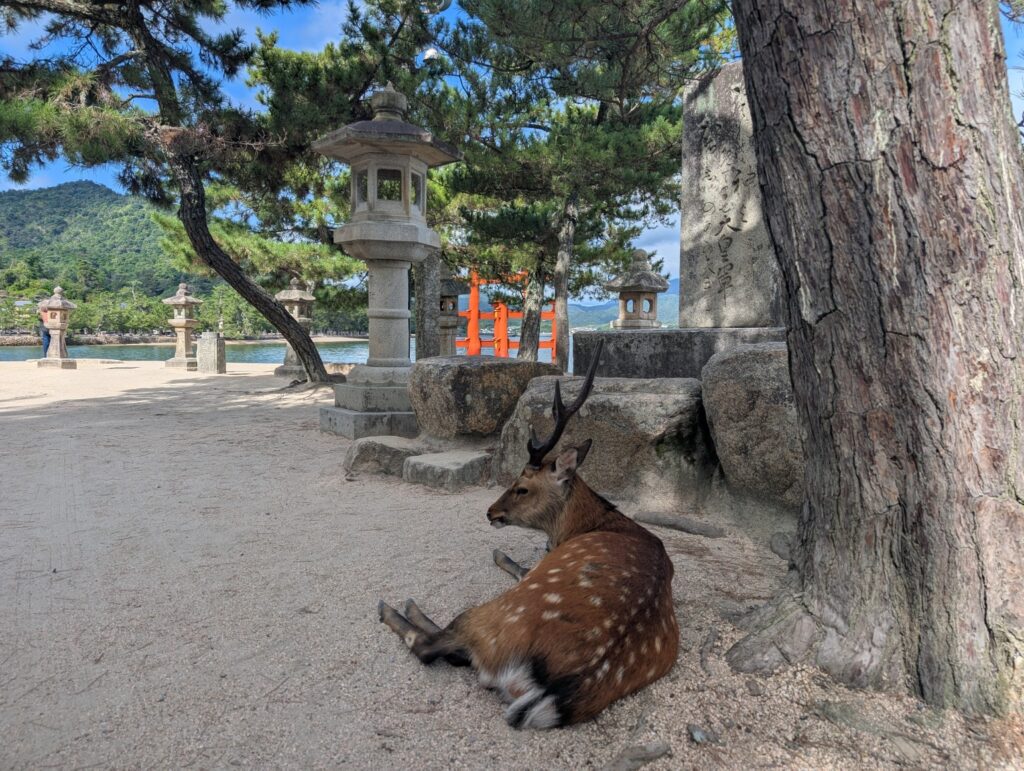
Although sika deer are the same species across Japan, their behavior varies greatly depending on their relationship with humans.
In some areas, deer have lived alongside people for centuries and show little fear. In others, they remain cautious forest animals that avoid human contact whenever possible. Understanding this difference helps set realistic expectations and choose the right destination.
Broadly, sika deer in Japan can be grouped into two types. Human-habituated deer are commonly seen in major tourist areas. Wild forest deer live in national parks and remote regions. Both offer meaningful experiences, but in very different ways.
How Easy Is It to See Sika Deer?
Understanding Encounter Difficulty
This guide uses a simple Encounter Ease rating to compare locations based on real-world conditions.
★★★★★ means deer are almost guaranteed to be seen.
★★★★☆ means there is a high chance of encountering deer.
★★★☆☆ means sightings are possible with timing and awareness.
★★☆☆☆ means encounters depend heavily on luck and conditions.
This rating reflects how realistic it is for an average visitor to see deer, not just how many deer live in the area.
Best Places to See Sika Deer in Japan
🦌 Nara Park (Nara Prefecture)
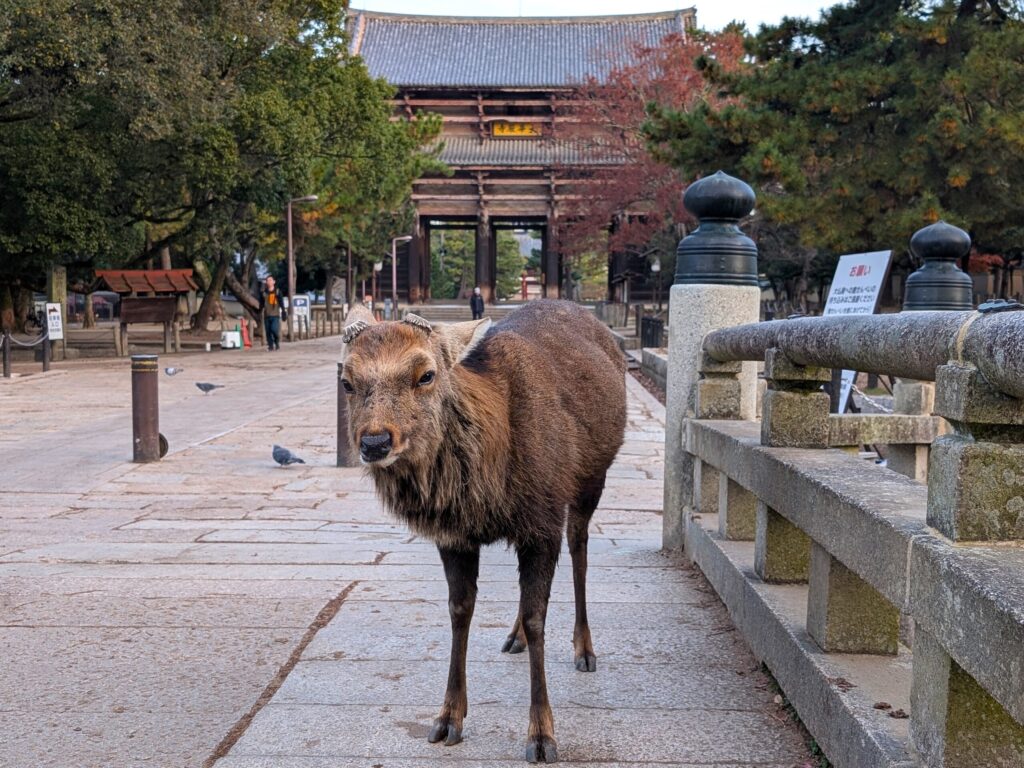
Encounter Ease: ★★★★★
Deer Type: Very friendly / human-habituated
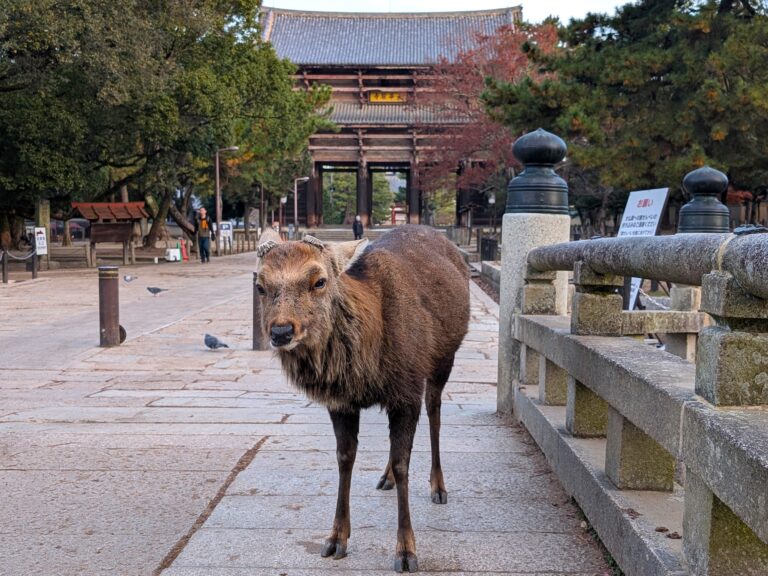
Nara Park is the most famous sika deer location in Japan and one of the easiest places in the world to see deer up close. Hundreds of deer roam freely through the park, temple grounds, and surrounding streets.
Deer here are active throughout the day and accustomed to people, making encounters virtually guaranteed. This is the best choice for first-time visitors or anyone who wants reliable sightings.
Because the deer are highly habituated, visitors should keep a respectful distance and follow local rules regarding feeding and behavior.
🦌 Miyajima Island (Hiroshima)
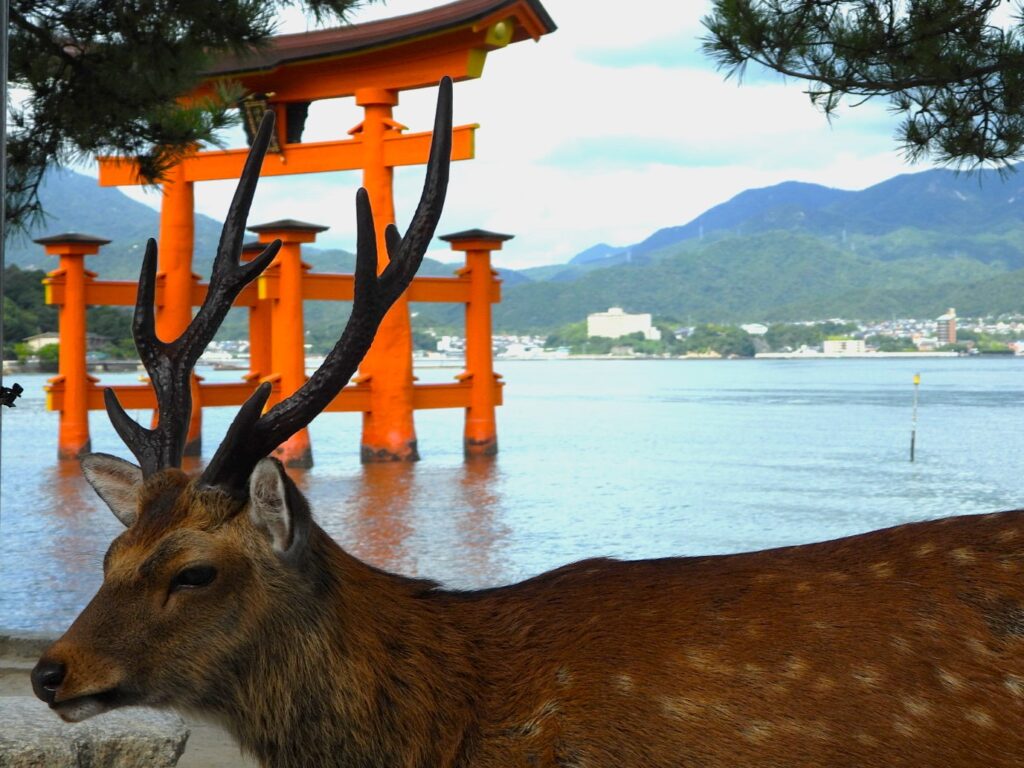
Encounter Ease: ★★★★☆
Deer Type: Semi-habituated
Miyajima offers a calmer and more scenic deer experience. Sika deer walk through shrine paths, forests, and along the shoreline, often with the sea as a backdrop.
Unlike Nara, there is no established feeding culture here, and deer behavior tends to feel less assertive. Encounters are common during daytime walks, especially outside peak tourist hours.
Miyajima is ideal for visitors who want to see deer in a quieter, more natural setting while still remaining accessible.
🦌 Yakushima Island (Kagoshima)
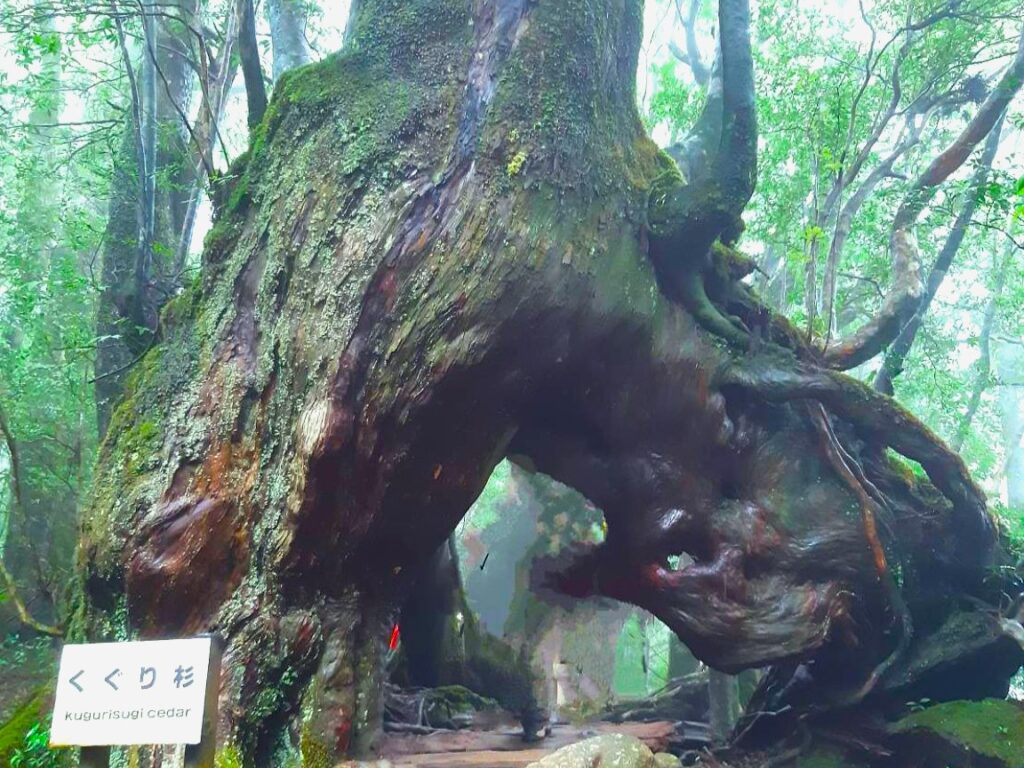
Encounter Ease: ★★★☆☆
Deer Type: Truly wild
Yakushima is a UNESCO World Heritage site known for its ancient cedar forests and exceptional biodiversity. Sika deer on the island live entirely wild lives within dense forest environments.
Encounters are possible along hiking trails, forest roads, and quieter areas of the island, but sightings are never guaranteed. Weather, time of day, and noise levels all influence the chances of seeing deer.
No deer photo is shown here. On Yakushima, sika deer are truly wild, and encounters are never guaranteed. The forest itself is an essential part of the wildlife experience.
Yakushima is best suited for travelers who value authentic wildlife environments over certainty.
🦌 Nikko National Park (Tochigi)

Encounter Ease: ★★★☆☆
Deer Type: Wild forest deer
Access: Easy day trip from Tokyo
Nikko National Park is one of the most accessible places near Tokyo to search for wild sika deer. Beyond the well-known shrines and tourist zones, quiet forests provide habitat for cautious deer.
Encounters are more likely early in the morning or in less crowded areas near forest edges. Seeing deer here feels like genuine wildlife observation rather than a managed attraction.
For visitors staying in Tokyo, Nikko offers a rare opportunity to experience wild deer without long-distance travel.
🦌 Shiretoko Peninsula (Hokkaido)
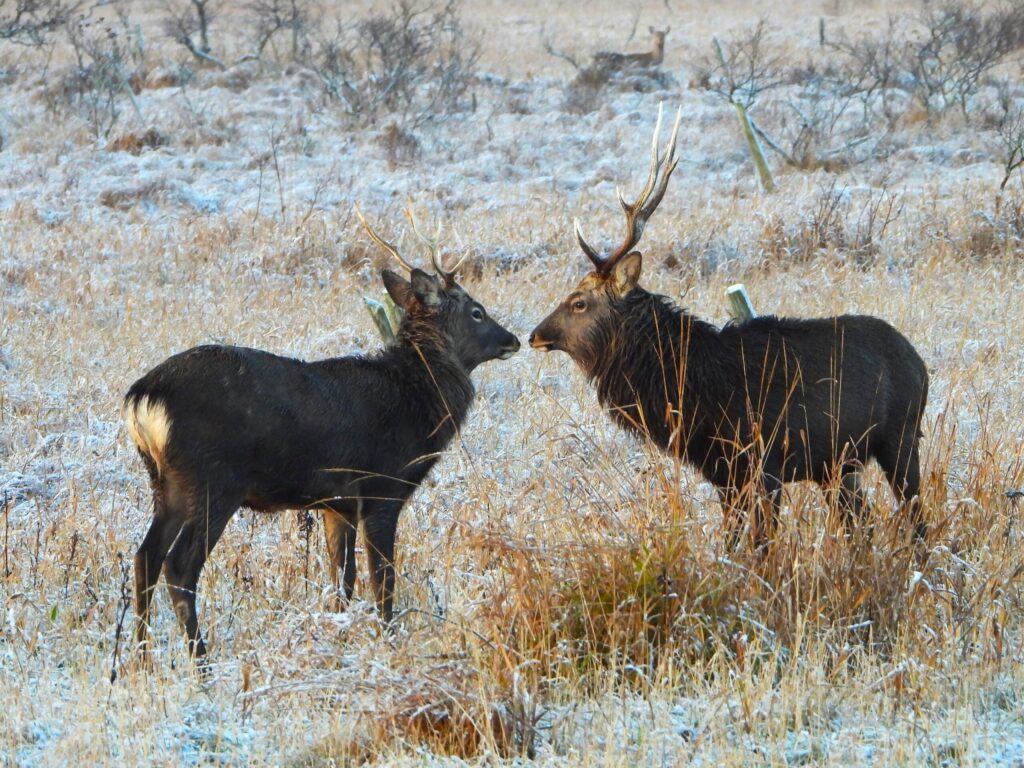
Encounter Ease: ★★☆☆☆–★★★☆☆
Deer Type: Fully wild
Shiretoko Peninsula is one of Japan’s most pristine wilderness areas and a UNESCO World Heritage site. Sika deer here live in untouched forests and coastal landscapes.
Encounters do occur, sometimes even near roads, but they depend heavily on season, location, and timing. Deer are part of a broader ecosystem that includes other large wildlife, and sightings should never be assumed.
Shiretoko is best for travelers seeking true wilderness experiences, where seeing deer is rewarding precisely because it is not easy.
Best Season to See Sika Deer in Japan
Sika deer can be seen year-round, but conditions vary by region.
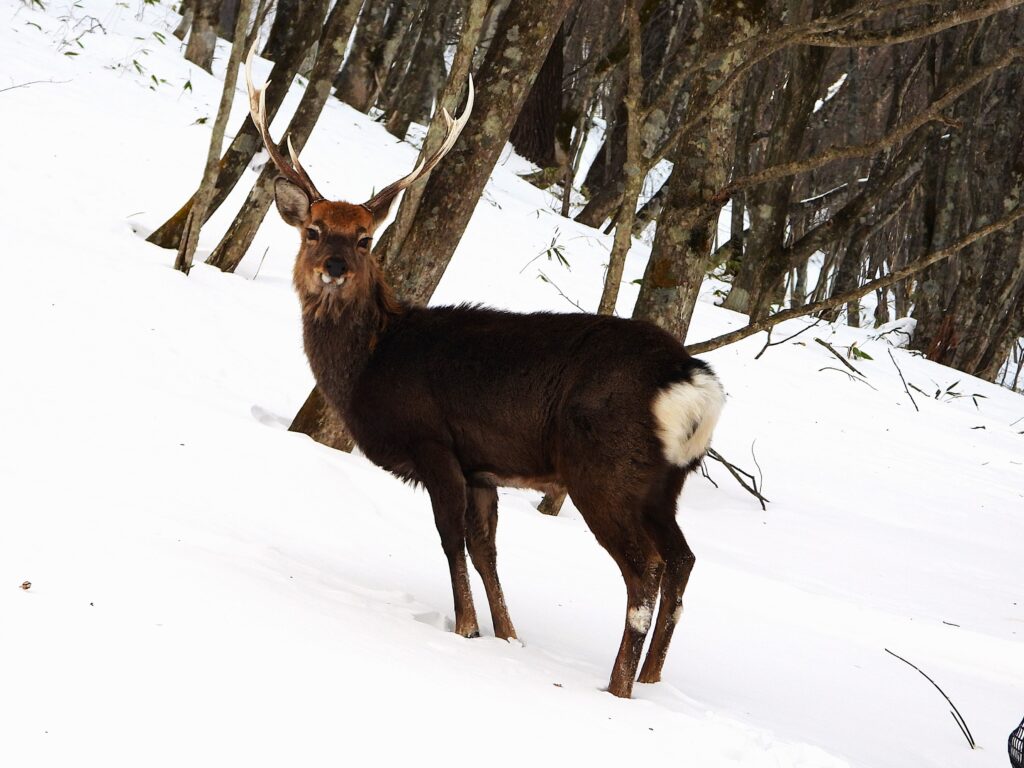
Spring through autumn generally offers the best balance of accessibility and activity. Autumn is the breeding season, when deer may be more visible but also more aggressive. In winter, sightings depend strongly on snowfall and regional conditions, especially in northern Japan.
Safety & Etiquette When Watching Sika Deer
Deer are wild animals, even in places where they appear comfortable around people.
Do not touch or chase deer.
Never feed deer outside designated areas.
Keep a safe distance, especially during breeding season.
Avoid blocking escape routes or approaching young animals.
Responsible behavior protects both visitors and wildlife.
Conclusion
Which Sika Deer Spot Is Right for You?
First-time visitors should consider Nara Park or Miyajima.
Wildlife and photography enthusiasts may prefer Yakushima or Nikko.
True wilderness seekers will find Shiretoko Peninsula most rewarding.
Japan offers a unique opportunity to understand sika deer across a wide range of environments. Choosing the right destination ensures a meaningful, respectful, and memorable encounter with Japan’s native wildlife.
Related Wildlife Guides in Japan
- Sika Deer (Cervus nippon) – Wildlife of Japan
A complete species profile covering appearance, habitat, behavior, diet, and conservation of Japan’s native sika deer. - Nara Park Wildlife Guide
Learn more about deer behavior, rules, and seasonal changes in Japan’s most famous deer park. - Wildlife in Nikko National Park
A practical guide to animals you can realistically see near Tokyo, including wild sika deer. - Japan Animals – Complete Guide to Wildlife in Japan
An overview of Japan’s native mammals, birds, reptiles, and amphibians.